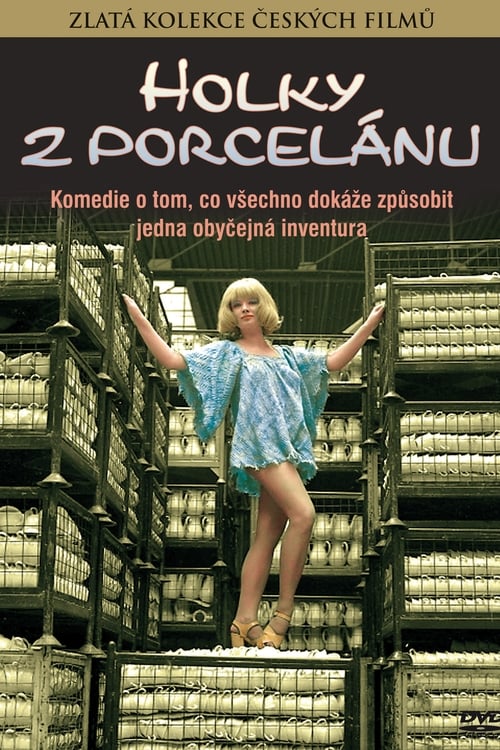
Girls from a Porcelain Factory
1975
No user ratings available yet
Representation score: 4.1 out of 10
Representation Score
Fair
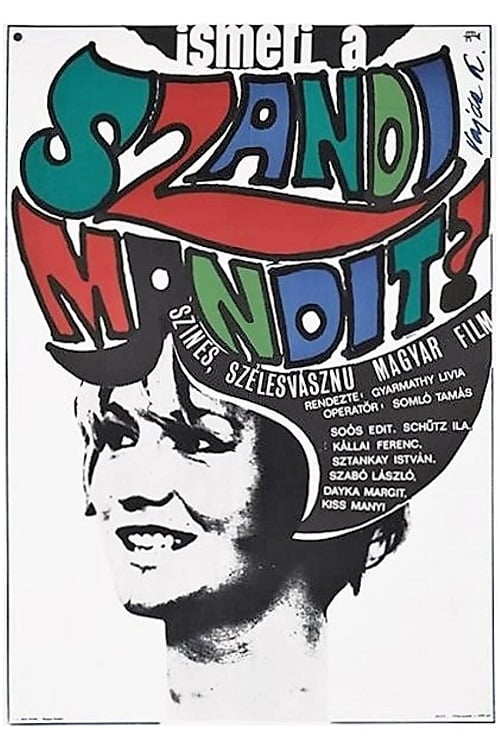
1969
Director
Lívia Gyarmathy
Runtime
78 minutes
Average Rating
No ratings yetNew Showbiz Analysis
Do You Know Sunday-Monday? is a character-driven comedy that finds its strength in social critique rather than identity politics. It effectively deconstructs traditional gender hierarchies by centering on female resilience and the rejection of patriarchal advances. While the film lacks broad representation of race and LGBTQ+ identities, it offers a sharp look at class and domestic dysfunction. The portrayal of the working-class environment and the breakdown of the idealized family unit provides significant cultural depth. Ultimately, the film succeeds as a study of social realism, using its female protagonists to navigate and challenge the restrictive norms of the era.
Category Breakdown
The film does not explicitly depict LGBTQ+ identities or non-straight relationships. It focuses on female friendships and critiques the male gaze.
The story centers on the empowerment of young women, particularly Juli's rejection of traditional romantic roles. It portrays masculinity as a disruptive force through the depiction of predatory male workers.
The setting appears localized and homogeneous, typical of 1960s European cinema. There is no evidence of a multi-ethnic cast or the subversion of racial norms.
The film critiques traditional Western institutions by portraying dysfunctional family units and alcoholic parents. It explores the struggles of the working class against systemic social pressures.
There are no visible or invisible disabilities depicted in the narrative. No information is available regarding neurodivergence or physical impairments.
Present on Screen
Limited or Absent
Official Synopsis
Juli is a 17-year-old student who takes a summer job in a local chemical factory. She is befriended by Piri, a girl with an unsavory reputation who has worked there before. The two friends are ogled by male workers who have overactive libidos and imaginations. Juli spurns the advances of a deluded Romeo while Piri continues to work and endure open hostility from the older female workers while her slothful parents sink deeper into alcoholism.
1975
1967
1950
1960

1961

1962
1979
1980
No reviews yet. Be the first to share your thoughts on this movie!
Use the rating form above to leave a star rating and optional review.