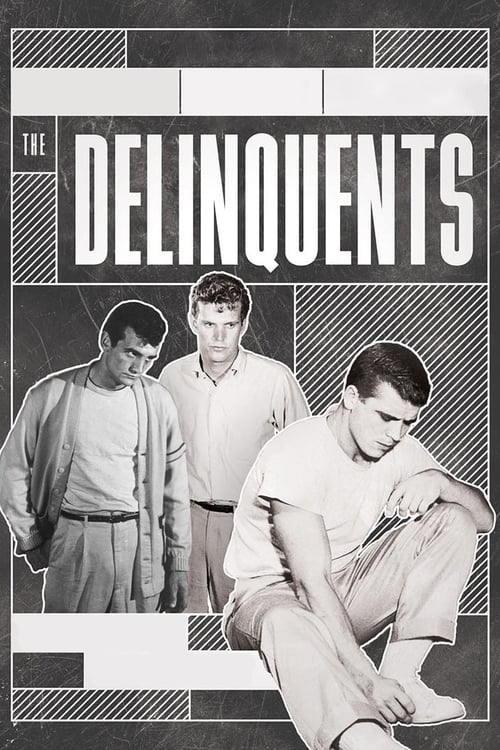
The Delinquents
1957
No user ratings available yet
Diversity score: 3.2 out of 10

1957
Director
Paul Helmick
Runtime
78 minutes
Average Rating
No ratings yetSynopsis
Teenagers rebel and race cars.
Overall Score
Limited
Category Breakdown
LGBTQ+ Representation
The film lacks any evidence of non-cisnormative identities or same-sex intimacy. It appears to adhere strictly to the heteronormative social standards typical of 1957 cinema.
Gender Representation
Female characters likely occupy limited roles within a male-dominated racing environment. The narrative structure suggests a reinforcement of traditional gender hierarchies and conventional roles.
Racial & Ethnic Diversity
The casting likely reflects the homogeneous demographic norms of the mid-century era. There is no indication of a diverse ensemble or race-bent casting.
Religious & Cultural Diversity
Rebellion in this drama is likely framed within a restorative moral arc. The story appears to reinforce traditional values of family and social order.
Disability Representation
There is no evidence of characters navigating physical disabilities or neurodivergence. Disability is not integrated as a nuanced character trait in this production.
Strengths
Areas for Improvement
AI Analysis
Teenage Thunder is a product of the 1957 studio system, functioning as a period-typical social drama. It reflects the standardized social hierarchies of the late 1950s rather than attempting to disrupt them. The film focuses on mid-century American youth culture through the lens of rebellion and car racing. However, this rebellion lacks systemic critique, instead favoring a return to traditional social order. Ultimately, the production lacks intentionality regarding identity or power dynamics. It serves as a snapshot of the era's homogeneous and conventional cinematic landscape.
1957
1960
1957
1959
1976

1959

1957
1944
1954

2013
1958
1970
No reviews yet. Be the first to share your thoughts on this movie!
Use the rating form above to leave a star rating and optional review.