Thalassa, Thalassa
1994
No user ratings available yet
Representation score: 1.4 out of 10
Representation Score
Limited
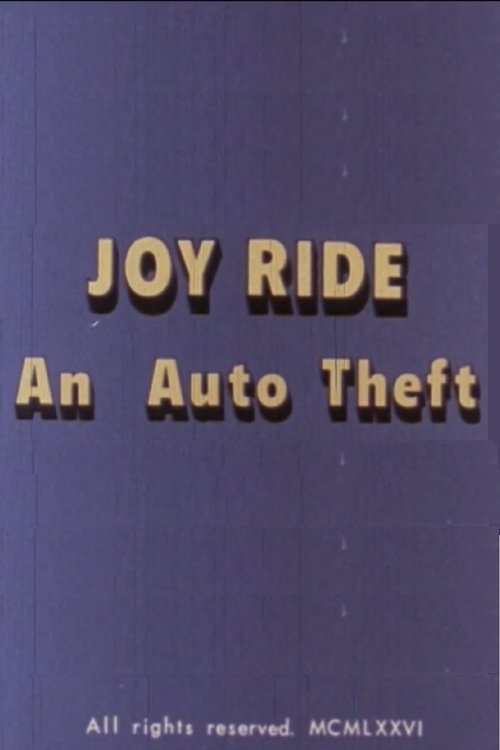
1976
Director
Bill Crain
Runtime
13 minutes
Average Rating
No ratings yetNew Showbiz Analysis
Joy Ride: An Auto Theft is a product of its era, functioning as a conventional suspense piece that utilizes established genre clichés. The film prioritizes a cautionary framework regarding social order and personal responsibility over identity-based exploration. Representation is limited by the era's tendency toward homogeneous casting and traditional social hierarchies. The narrative focuses on the individual consequences of anti-social behavior rather than offering perspectives that reflect multiple aspects of identity or systemic deconstruction. While the film provides a gritty look at adolescent hijinks, it lacks intentionality regarding diverse identities, sticking instead to the raw, unpolished social realism of 1970s exploitation cinema.
Category Breakdown
The film does not include any LGBTQ+ characters or narratives. The interpersonal dynamics follow the assumption that everyone is straight or cisgender, reflecting the social norms of mid-70s youth dramas.
The narrative relies on traditional tensions between male control and female vulnerability. While a female character eventually takes action to survive, the core conflict uses a predatory 'hunter and prey' cliché.
Casting follows the homogeneous, Anglo-centric norms of 1970s exploitation films. There are no non-white characters in positions of ability to act or significant racial blending.
The film serves as a cautionary tale about adolescent delinquency, reinforcing social stability by depicting theft as destructive. It does not engage in systemic or cultural critiques.
There is no evidence of characters with visible or invisible disabilities within the primary cast or plot.
Present on Screen
Limited or Absent
Official Synopsis
In the summer of '76, after pinball and complaining lose their thrill, Val and Tim steal their friend Randal's car. The boys pick up some girls, Kari and Vicki, and go for a ride up in the hills. They intend to return the stolen car before Randal finishes baseball practice, but their adolescent hijinks spiral out of control. The short film seems to be designed to make teenagers see that joyriding isn't just a bit of fun.
1994
1986

1958
1974
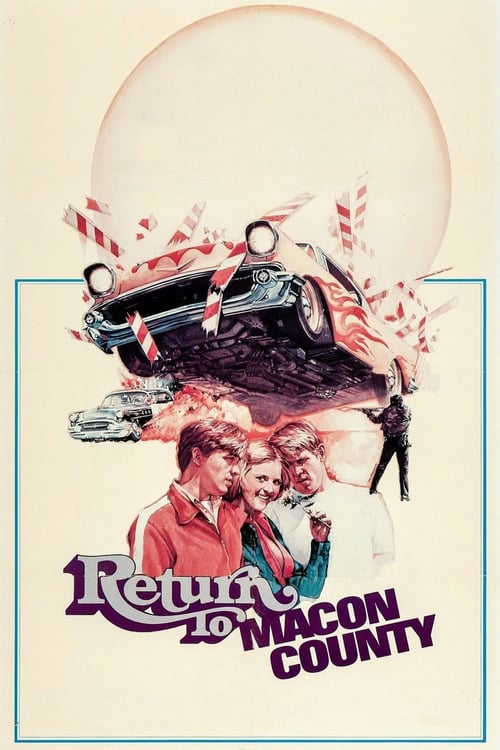
1975
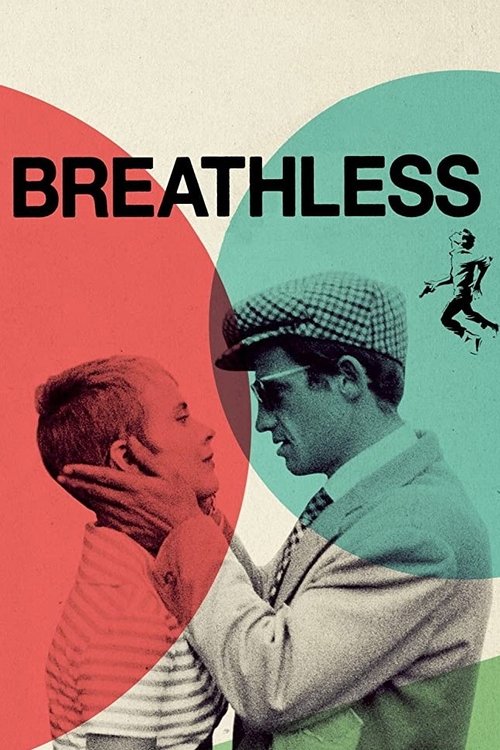
1960
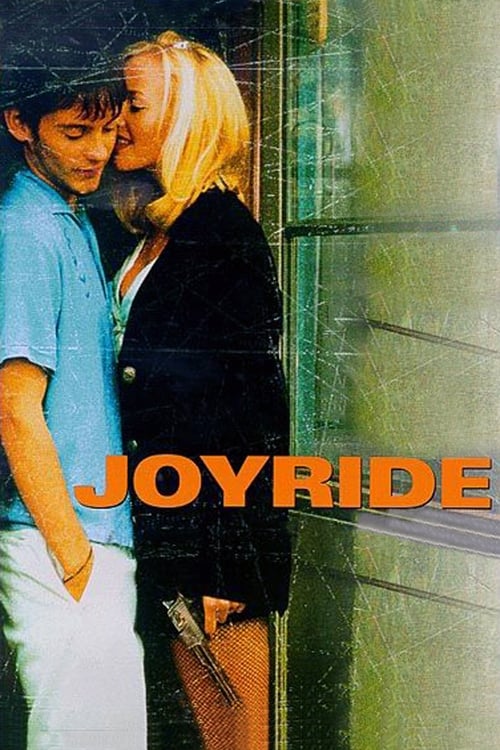
1997
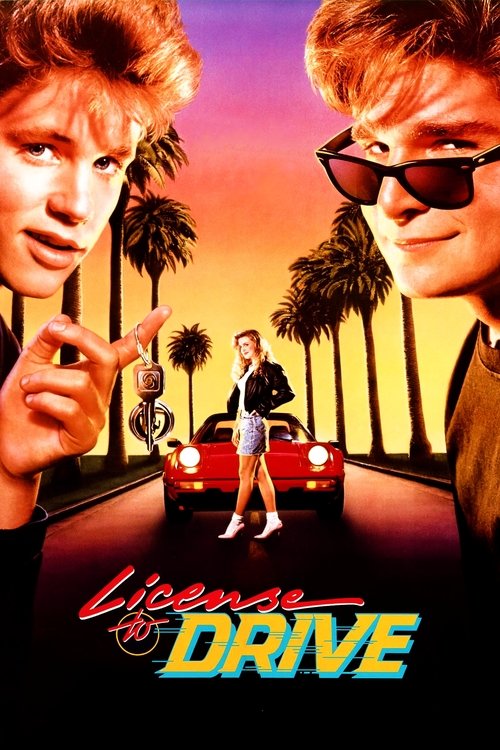
1988
No reviews yet. Be the first to share your thoughts on this movie!
Use the rating form above to leave a star rating and optional review.