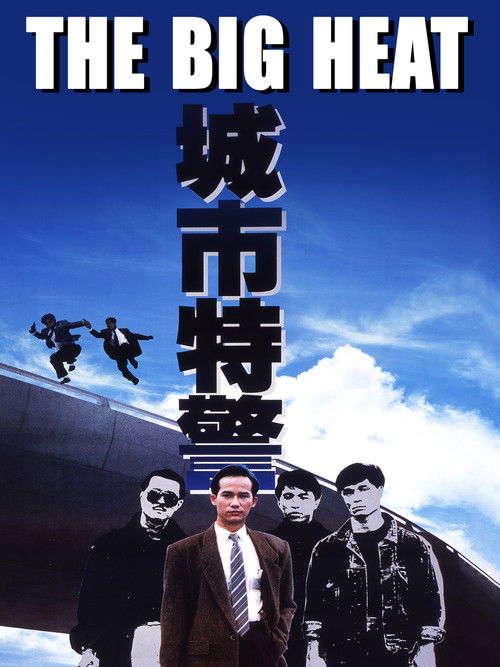
The Big Heat
1988
No user ratings available yet
Representation score: 2.1 out of 10
Representation Score
Minimal
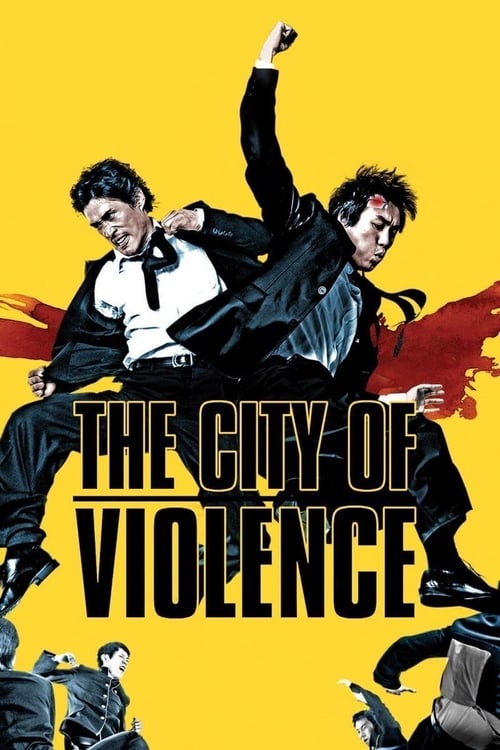
2006
Director
Ryoo Seung-wan
Runtime
92 minutes
Average Rating
No ratings yetNew Showbiz Analysis
The City of Violence is a genre-driven action thriller that emphasizes masculine camaraderie and kinetic energy over demographic diversity. The narrative structure revolves around traditional, hyper-masculine themes and a homogeneous social perspective. Despite offering a critical view of institutional corruption and the ethics of vigilantism, the film does not translate these themes into social representation. The world is populated almost entirely by a specific group of men. Ultimately, the film leans into established genre conventions rather than challenging social hierarchies or including diverse identities.
Category Breakdown
The film focuses on a group of male protagonists and does not depict any LGBTQ+ identities or non-assuming gender matches what was assigned at birth characters.
The story centers around hyper-masculine male characters, while female characters are mostly passive and serve as catalysts for the plot.
The cast is primarily made up of South Koreans, with no multicultural or multi-layered diversity.
The film explores moral relativism and the corruption in land development, showing how formal institutions fail to provide justice.
There is no depiction of physical, neurodivergent, or mental health disabilities in the film.
Present on Screen
Limited or Absent
Official Synopsis
Tae-su, a detective fighting organized crime, returns to his hometown for his high school friend Wang-jae's funeral. There, he meets his old friends Pil-ho, Dong-hwan and Seok-hwan and they reminisce. Suspecting something fishy about Wang-jae's death, Tae-su and Seok-hwan start investigating it, each in his own way. Their investigations lead to a land development project that Pil-ho is directing.
1988
1999
2003
2013
2010
2000
2023
1971
No reviews yet. Be the first to share your thoughts on this movie!
Use the rating form above to leave a star rating and optional review.