Dead or Alive
1999
No user ratings available yet
Representation score: 1.9 out of 10
Representation Score
Fair
1998
Director
Takashi Ishii
Runtime
107 minutes
Average Rating
No ratings yetNew Showbiz Analysis
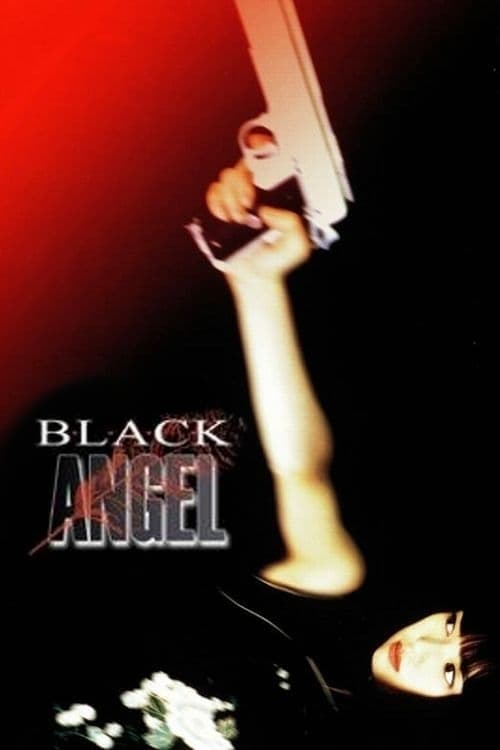
Black Angel is a stylized Japanese noir that prioritizes aesthetic atmosphere and fatalistic character arcs over social diversity. The film functions within a highly specific underworld hierarchy that emphasizes traditional bloodlines and vengeance. While the female lead, Ikko, breaks certain gendered expectations by driving the plot through calculated violence, the broader social structure remains heavily masculine. The world is defined by a singular cultural identity and a lack of multi-layered complexity. Ultimately, the film adheres to established genre clichés, trading social representation for a focused exploration of power and corruption within a homogeneous, technopolis setting.
Category Breakdown
The film focuses on rigid, patriarchal Yakuza structures and does not include any non-traditional gender identities or narratives that challenge the assumption that everyone is straight or cisgender.
Ikko subverts the submissive female cliché by playing a significant role in driving the plot through calculated violence. However, the power dynamics remain anchored in male-dominated criminal leadership.
The setting reflects a culturally homogeneous Tokyo landscape, and the narrative lacks multicultural blending or the use of diverse ethnic markers.
The story operates through moral relativism and criminal codes rather than religious or political ideologies, focusing on the deconstruction of authority within the underworld.
The narrative focuses on physical prowess and violence. There is no evidence of characters with visible or invisible disabilities portrayed with real power.
Present on Screen
Limited or Absent
Official Synopsis
Tokyo is a dark technopolis, a city of faceless chrome and cold marble. It is ruled by Nogi, a yakuza boss specializing in drugs and murder. He gained absolute power by executing the former boss and marrying his daughter, Chiaki. Only the mysterious Ikko, Chiaki's half-sister threatens him. Inspired by a legendary hit-woman, Ikko calls herself the Black Angel and plans to wash away her father's murderer with a deluge of blood.
1999
1995
2024
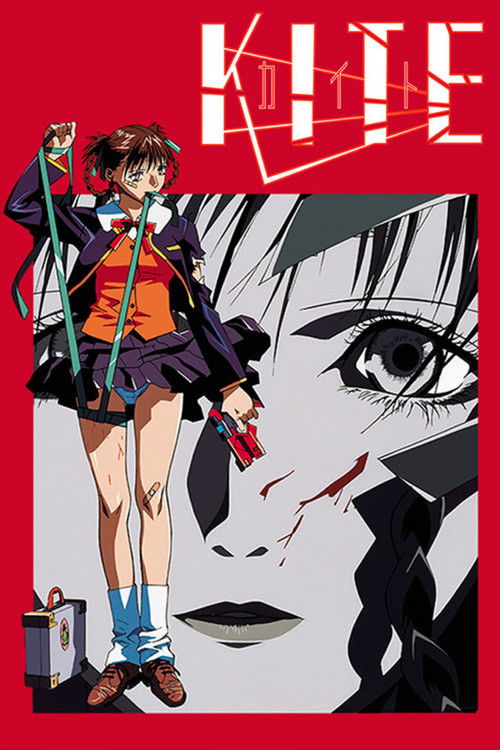
1998
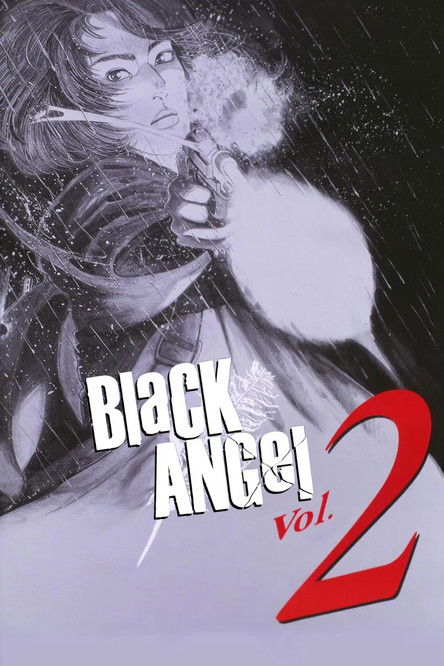
1999
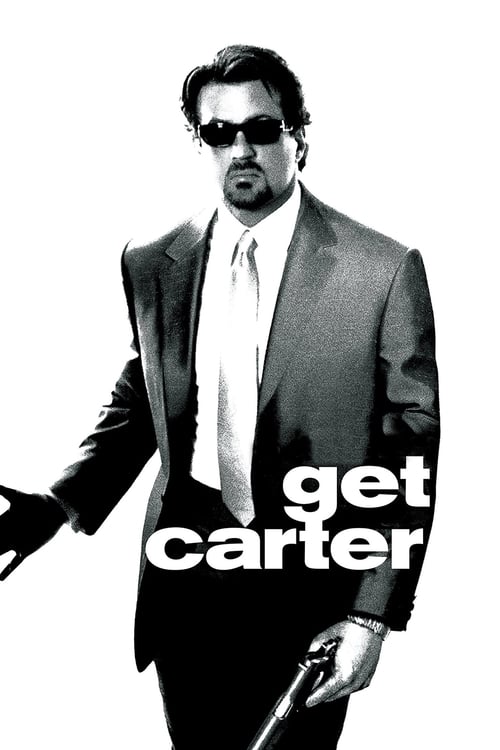
2000
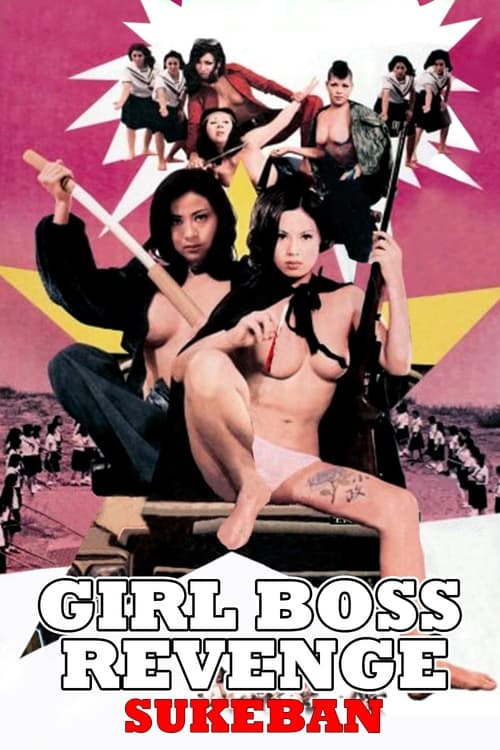
1973
1989
No reviews yet. Be the first to share your thoughts on this movie!
Use the rating form above to leave a star rating and optional review.