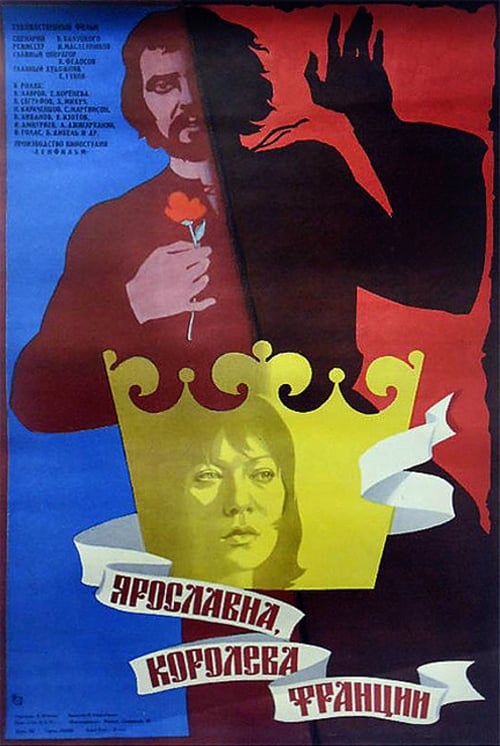
Yaroslavna, Queen of France
1978
No user ratings available yet
Diversity score: 3.9 out of 10

1953
ApprovedDirector
William Castle
Runtime
82 minutes
Average Rating
No ratings yetSynopsis
The Jews are taken from Jerusalem and made slaves by King Nebuchadnezzar. In the meantime Cyrus, king of the Persians, who has been living as a shepherd, is proclaimed king and defeats Nebuchadnezzar.
Overall Score
Limited
Category Breakdown
LGBTQ+ Representation
The film lacks any evidence of non-cisnormative identities or same-sex intimacy. It adheres to the heteronormative social structures typical of 1950s adventure cinema.
Gender Representation
The narrative centers on a power struggle between male figures like Nebuchadnezzar and Cyrus. It emphasizes masculine leadership and conquest without showing female agency.
Racial & Ethnic Diversity
The story depicts a conflict between Jewish, Babylonian, and Persian ethnic groups. However, these identities often rely on traditionalist archetypes common to the era.
Religious & Cultural Diversity
Rooted in the Babylonian captivity of the Jews, the film follows a conventional historical and religious arc. It functions as a standard epic without secularist critiques.
Disability Representation
There is no information available regarding the depiction of physical or neurodivergent disabilities in this production.
Strengths
Areas for Improvement
AI Analysis
Slaves of Babylon is a traditional historical adventure that relies heavily on established power dynamics. The plot focuses on the political and military movements of ancient kings, prioritizing masculine authority and conquest over nuanced social representation. While the film engages with diverse ethnic and religious groups, it does so through the lens of mid-century historical archetypes. The narrative structure follows a conventional moral arc typical of 1950s cinema, offering little disruption to the social norms of the period. Ultimately, the film serves as a genre-driven epic that emphasizes historical conflict rather than intersectional or progressive character development.
1978
1963
1970

1967

1972

2015
1962
1960
1968

1954
1935

1963
No reviews yet. Be the first to share your thoughts on this movie!
Use the rating form above to leave a star rating and optional review.