
Die Pilgerin
2014
No user ratings available yet
Diversity score: 4.1 out of 10
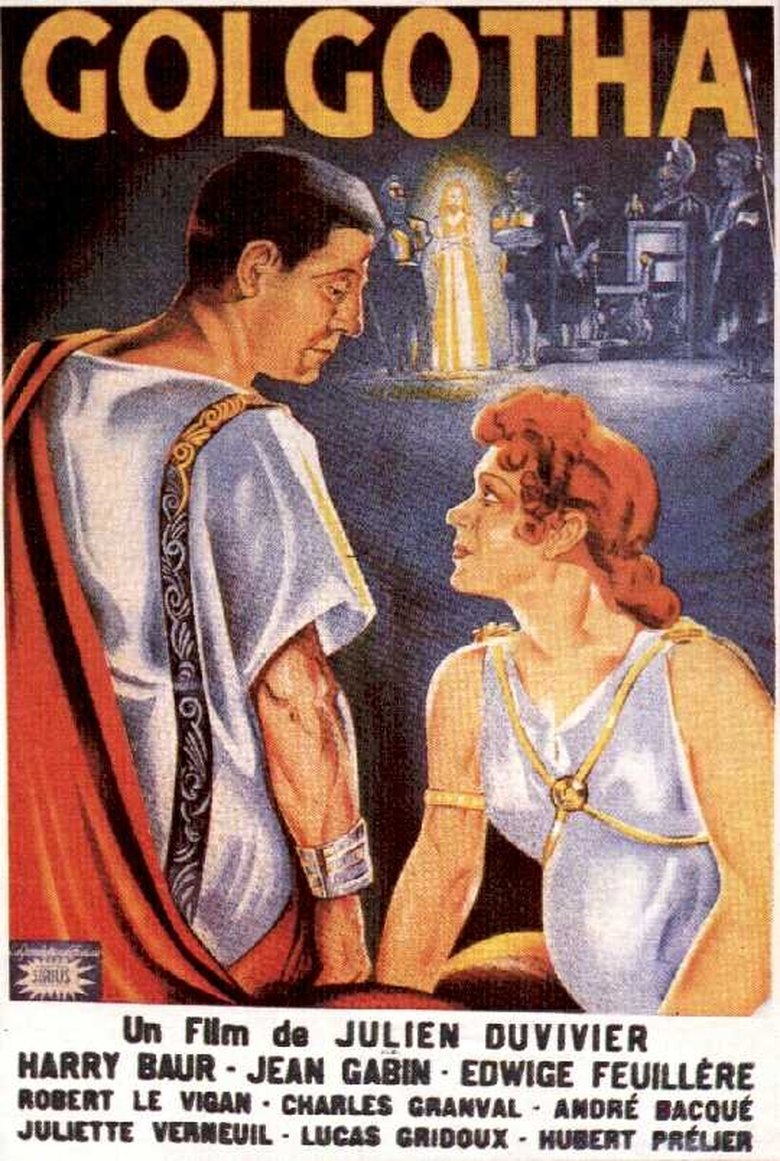
1935
Director
Julien Duvivier
Runtime
95 minutes
Average Rating
No ratings yetSynopsis
The final days of Jesus from the time he enters the city of Jerusalem. Viewed as a threat, it is decided that he must be captured, tried, and executed as a criminal, a plan aided and abetted by disciple Judas Iscariot.
Overall Score
Limited
Category Breakdown
LGBTQ+ Representation
The film operates within the heteronormative social structures of 1935. There is no evidence of non-cisnormative gender identities or depictions of same-sex intimacy.
Gender Representation
The narrative prioritizes male figures in positions of authority, such as the Apostles and Roman officials. Female figures are relegated to supporting or passive roles without subverting traditional hierarchies.
Racial & Ethnic Diversity
While set in Jerusalem, the production likely utilizes European actors to represent Middle Eastern figures. This approach relies on standardized historical archetypes rather than nuanced intersectional identity.
Religious & Cultural Diversity
The film serves as a dramatization of core Christian tenets and religious sanctity. It does not prioritize secularism or provide a critique of Western religious institutions.
Disability Representation
There is no specific evidence regarding the portrayal of physical or neurodivergent characters within the narrative.
Strengths
Areas for Improvement
AI Analysis
Golgotha is a traditional historical drama that adheres strictly to established religious frameworks. The film reinforces the social and cultural hierarchies of the 1930s rather than challenging them. The narrative structure is built around the biblical account of Jesus's final days. This focus naturally centers on patriarchal authority and singular religious morality, leaving little room for diverse perspectives or marginalized identities. Ultimately, the film functions as a period-specific dramatization of faith, prioritizing technical craftsmanship and traditional storytelling over progressive representation.
No reviews yet. Be the first to share your thoughts on this movie!
Use the rating form above to leave a star rating and optional review.