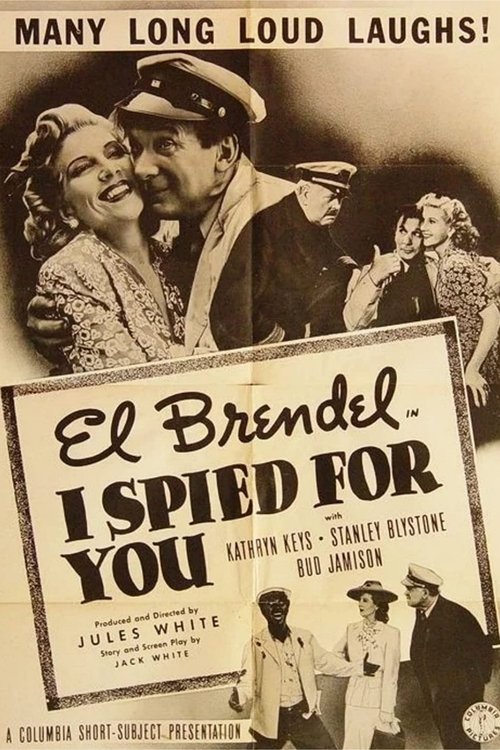
I Spied for You
1943
No user ratings available yet
Representation score: 1.7 out of 10

Representation Score
Minimal
1942
ApprovedDirector
Sidney Lanfield
Runtime
78 minutes
Average Rating
No ratings yetNew Showbiz Analysis
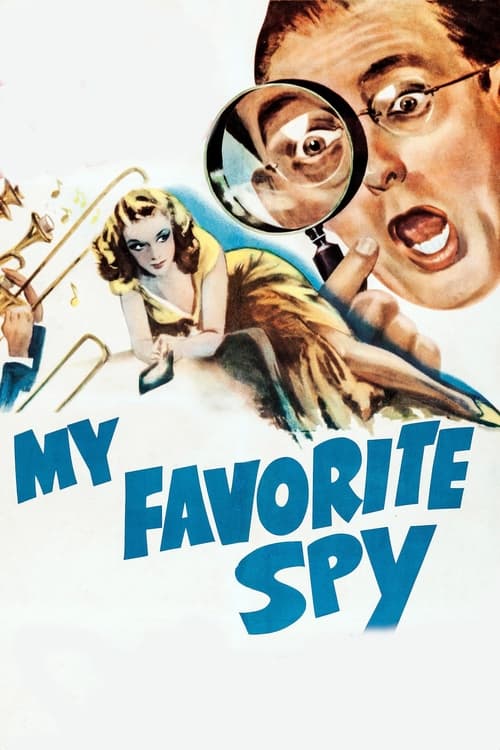
My Favorite Blonde is a classic product of its 1942 time period. It relies heavily on established social structures and demographic norms to create its comedic espionage storyline. The film emphasizes conventional romantic and patriotic themes over diverse representation. While the female lead displays tactical intelligence, the narrative remains firmly rooted in traditional gender and class expectations. Ultimately, the work serves as polished escapism that upholds, rather than challenges, the Eurocentric and straight-centered standards of its era.
Category Breakdown
The film does not include any LGBTQ+ characters or narratives. Romantic tension focuses solely on traditional heterosexual relationships.
Lucille Ball's character shows strength through social manipulation and strategic thinking. However, her actions are still tied to traditional romantic pursuits rather than challenging gender roles.
The cast is primarily made up of white, upper-class characters. The story lacks meaningful racial or ethnic diversity and stays within a Eurocentric perspective.
The story follows a traditional Western framework, emphasizing high-society status and patriotic duties. It supports conventional institutions like marriage and social class.
There are no visible or invisible disabilities shown. Characters are depicted as fully able-bodied, with no mention of neurodivergence or physical impairments.
Present on Screen
Limited or Absent
Official Synopsis
Larry Haines, a mediocre vaudeville entertainer, boards a train for Los Angeles. Aboard, he meets an attractive, blonde British agent carrying a coded message hidden in a brooch—and is being pursued by Nazi agents.
1943
1956

1942
1946
1942
1942
1943

1943
No reviews yet. Be the first to share your thoughts on this movie!
Use the rating form above to leave a star rating and optional review.