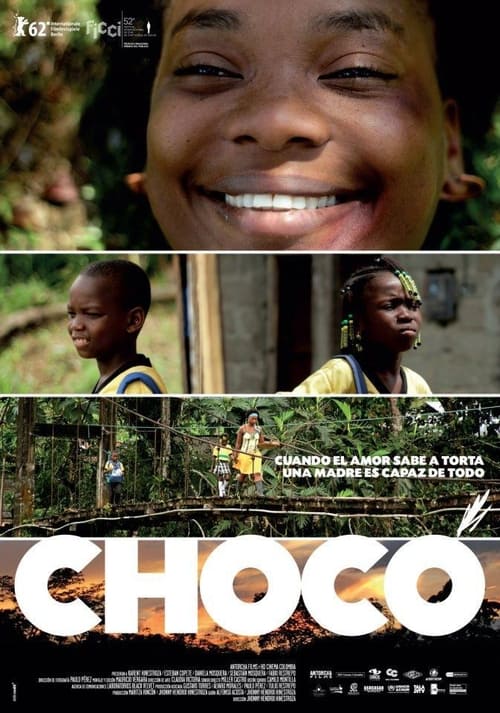
Choco
2012
No user ratings available yet
Diversity score: 6.6 out of 10
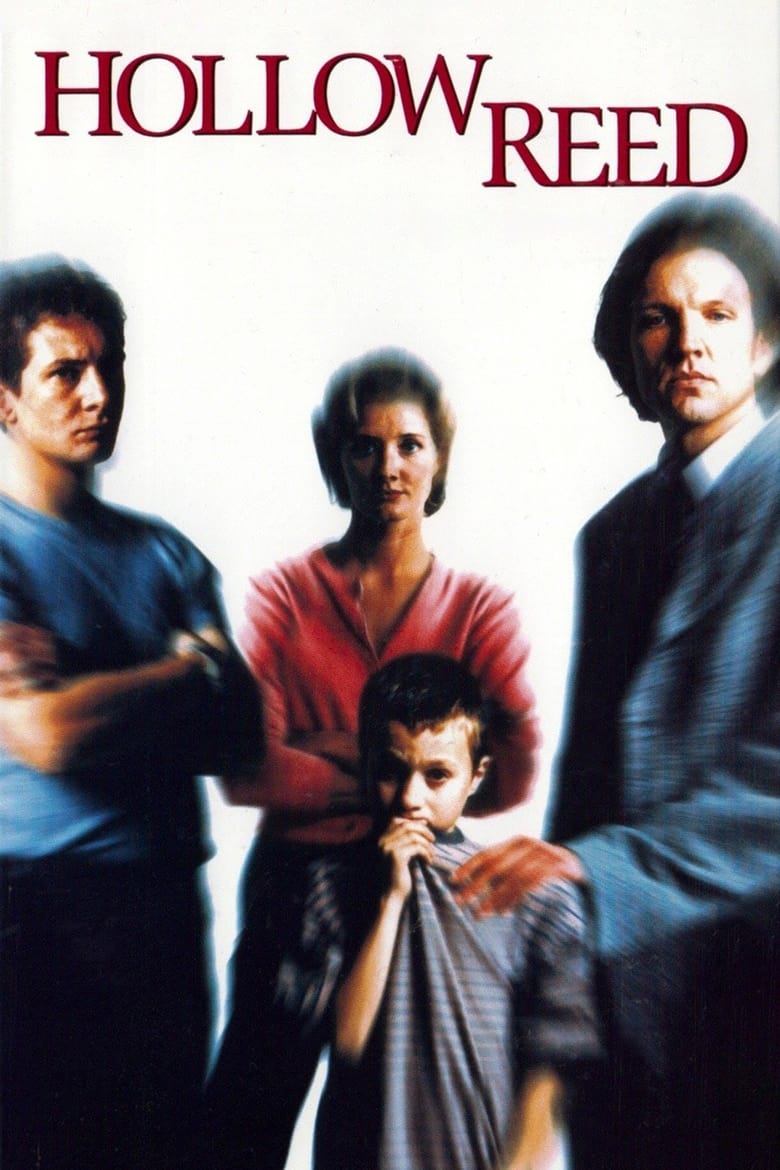
1996
RDirector
Angela Pope
Runtime
102 minutes
Average Rating
No ratings yetSynopsis
Following the break-up of his marriage after revealing his homosexuality, GP Martin Wyatt loses custody of his son Oliver to his now ex-wife Hannah and her new partner Frank. It is not long, however, until Oliver appears at the house of Martin and his new lover Tom claiming to have been beaten up by boys in the park. After another incident, Martin puts two and two together and comes to the conclusion that Frank has been beating Oliver without Hannah's knowledge. Martin then begins a long courtroom custody battle to win back his son.
Overall Score
Good
Category Breakdown
LGBTQ+ Representation
The film lacks primary LGBTQ+ characters or non-cisnormative identities as central plot drivers. It fails to provide specific markers of queer identity or a critique of heteronormativity.
Gender Representation
The female lead subverts traditional hierarchies by acting as a figure of spiritual and medicinal authority. This placement of female agency disrupts standard patriarchal structures found in period dramas.
Racial & Ethnic Diversity
The narrative excels by centering an interracial partnership and the lived experience of a Native American child. It prioritizes the agency of non-Anglo-Saxon characters to drive the thematic core.
Religious & Cultural Diversity
The film critiques Western institutions by contrasting organized Christianity with indigenous spiritualities. It portrays established religious structures as potentially oppressive compared to more pluralistic spiritual landscapes.
Disability Representation
There is no evidence of characters utilizing visible or invisible disabilities as central plot drivers or identity markers.
Strengths
Areas for Improvement
AI Analysis
Hollow Reed succeeds as a subversive Western that challenges the historical homogeneity of the American frontier. By centering interracial connections and indigenous perspectives, the film moves away from traditional settler-colonial tropes toward a more pluralistic worldview. The narrative's strength lies in its critique of colonial and religious institutions. It frames traditional Western authority as a source of conflict rather than a moral baseline, allowing for a more nuanced exploration of cultural identity. However, the film remains limited in its LGBTQ+ representation. While it explores unconventional social bonds, it lacks the specific queer identity markers necessary to challenge heteronormativity effectively.
2012
2014
2014

2020

2017
2025
1995

2016
1994

2021
1999

1974
No reviews yet. Be the first to share your thoughts on this movie!
Use the rating form above to leave a star rating and optional review.