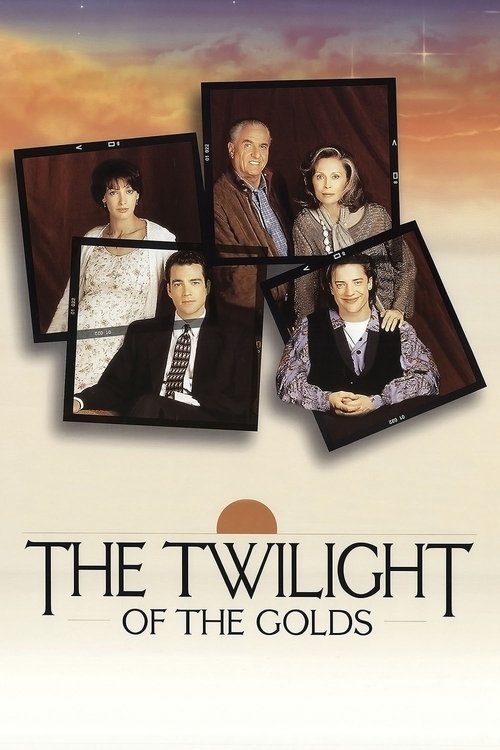
The Twilight of the Golds
1996
No user ratings available yet
Diversity score: 5.6 out of 10

1985
RDirector
Mike Newell
Runtime
90 minutes
Average Rating
No ratings yetSynopsis
Bill is a man who's very bitter about his divorce and losing custody of his son. So, when one of his friends is being sued for divorce by his wife so that she can enter a lesbian relationship, Bill decides to help his friend gain custody of his son...in any way that they can devise, including using a sleazeball lawyer. But while Bill feels that feminism has robbed him of his family, he begins to be appalled at what he and Roger have done.
Overall Score
Fair
Category Breakdown
LGBTQ+ Representation
The plot centers on a legal battle triggered by a character entering a lesbian relationship. It explores the friction between queer identities and rigid social frameworks of the era.
Gender Representation
The film examines the erosion of patriarchal authority and the breakdown of the traditional male-led household. It highlights a protagonist struggling to adapt to shifting gender dynamics.
Racial & Ethnic Diversity
The setting reflects a homogeneous social environment within a white British context. It lacks significant racial or ethnic diversity, focusing instead on class and domesticity.
Religious & Cultural Diversity
The narrative critiques Western social institutions like the nuclear family. It presents a conflict between traditional values and evolving personal identities through a lens of moral relativism.
Disability Representation
There is no evidence of characters with visible or invisible disabilities within the film's context.
Strengths
Areas for Improvement
AI Analysis
The film serves as a character study of social friction, specifically regarding the dismantling of traditional domestic structures. It finds its most significant engagement through LGBTQ+ themes and the deconstruction of gender hierarchies. However, the work is limited by a lack of racial and ethnic diversity, remaining rooted in a homogeneous British socioeconomic framework. This narrow focus prevents a truly intersectional exploration of identity. Ultimately, the film succeeds in portraying the tension between systemic norms and individual agency, even when viewed through a reactionary lens.
1996
1985

1980

1994

1984

1977
1995

1985

1984
1992

1995

1998
No reviews yet. Be the first to share your thoughts on this movie!
Use the rating form above to leave a star rating and optional review.