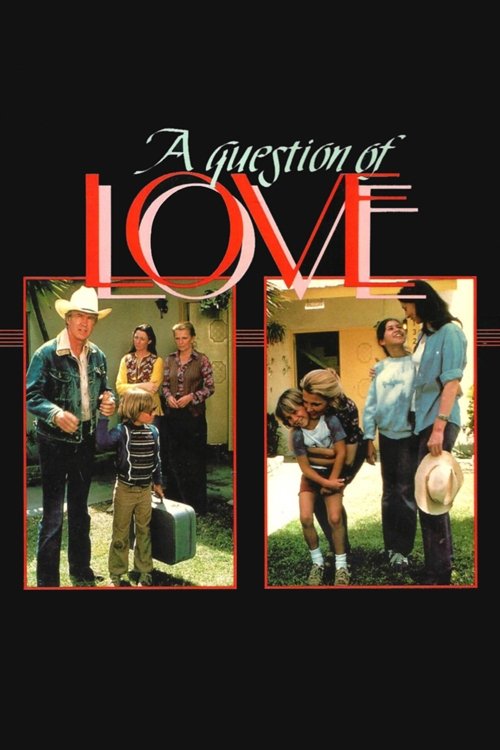
A Question of Love
1978
No user ratings available yet
Representation score: 3.9 out of 10

Representation Score
Fair
1996
Not RatedDirector
Peter Werner
Runtime
96 minutes
Average Rating
No ratings yetNew Showbiz Analysis
Two Mothers for Zachary pushes boundaries by focusing on a queer parental figure in a legal drama. It challenges mid-90s social norms by highlighting non-traditional families and facing traditionalist views. While the film advances LGBTQ+ representation, it falls short in terms of racial and ethnic diversity. The setting is a uniform, middle-class suburban environment that lacks broader socioeconomic or cultural variety. Ultimately, the film dismantles traditional hierarchies of motherhood while still adhering to conventional domestic and gendered roles.
Category Breakdown
The film focuses on a lesbian parent dealing with legal and social challenges in a custody dispute. It challenges the assumption that everyone is straight by making same-sex relationships central to the story.
The story examines motherhood through emotional support rather than just biological roles. However, the narrative sticks closely to traditional gender roles involving caregiving and household duties.
The film follows a homogeneous, middle-class Western setting. There is no indication of significant racial or ethnic diversity influencing the plot.
The narrative questions traditional family structures by debating what makes a good parent. It highlights the tension between established social norms and changing ideas about family.
There are no prominent portrayals of physical, sensory, or neurodivergent disabilities that play key roles in the story or drive the plot forward.
Present on Screen
Limited or Absent
Official Synopsis
A grandmother sues her daughter for custody of her grandson, because she believes that her daughter's homosexuality renders her unfit for motherhood.
1978

1989

2001

2012

1997

1991

1996
1985
No reviews yet. Be the first to share your thoughts on this movie!
Use the rating form above to leave a star rating and optional review.