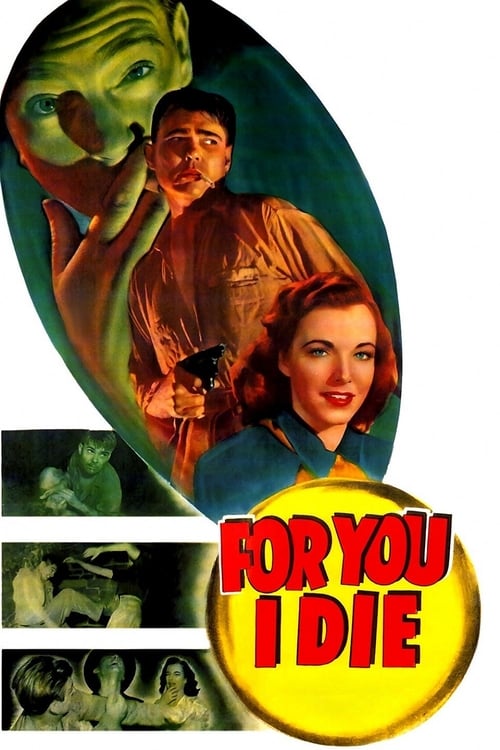
For You I Die
1947
No user ratings available yet
Diversity score: 2.2 out of 10
1981
Director
Claude Whatham
Runtime
89 minutes
Average Rating
No ratings yetSynopsis
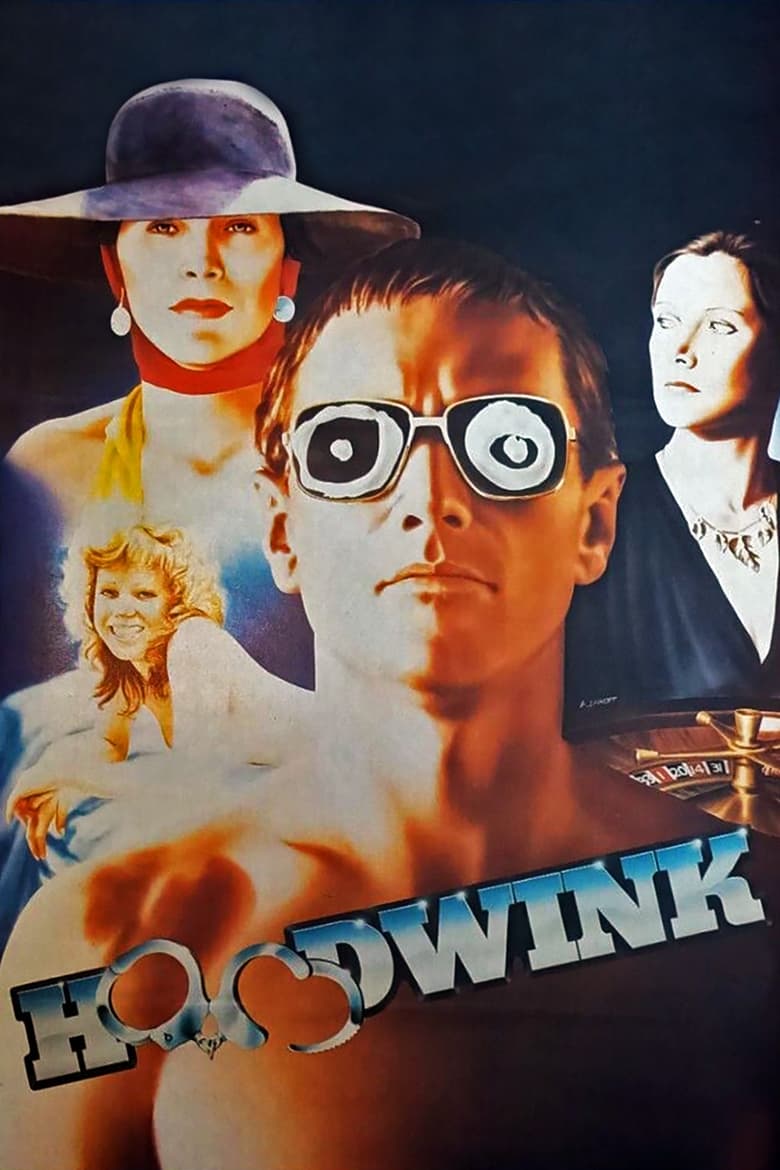
Hoodwink is based on the true story of an Australian con artist who briefly won the hearts of the media (if not the authorities). John Hargreaves stars as a criminal serving time in a New South Wales prison. He's not partial to the physical labor required of the convicts, so he hits upon a labor-saving plan. Hargreaves pretends to be totally blind, thus lightening his work load....and carries off the hoax for years.
Overall Score
Limited
Category Breakdown
LGBTQ+ Representation
The film lacks queer narratives or non-cisnormative identities. It adheres to the traditional heteronormative structures typical of early 1980s crime dramas.
Gender Representation
The story centers on a male protagonist's agency and ingenuity. It focuses on male-dominated spaces without showing women in leadership roles or subverting gender hierarchies.
Racial & Ethnic Diversity
Set in a New South Wales prison, the film likely centers on a homogeneous Anglo-Saxon perspective. There is no evidence of intentional racial blending or diverse casting.
Religious & Cultural Diversity
The narrative explores individualist survival and the subversion of prison authority. It functions as a character study of a rogue rather than a systemic critique.
Disability Representation
Blindness is used as a central plot device for deception. This portrays disability as a tool for personal gain rather than a lived experience of impairment.
Strengths
Areas for Improvement
AI Analysis
Hoodwink is a conventional character-driven crime drama that prioritizes the individualistic exploits of its protagonist. The narrative focuses on a singular con artist's deception within a penal system, which limits the scope for broader social engagement. The film lacks structural complexity regarding intersectional identities. It operates within traditional institutional frameworks, focusing on personal ingenuity rather than challenging established social hierarchies or providing diverse perspectives. Ultimately, the film serves as a period-specific genre piece. It relies on tropes of the era, such as male-centric storytelling and the use of disability as a narrative convenience, rather than offering meaningful representation.
1947

1996
1972
1974

1973
1994
1968
No reviews yet. Be the first to share your thoughts on this movie!
Use the rating form above to leave a star rating and optional review.