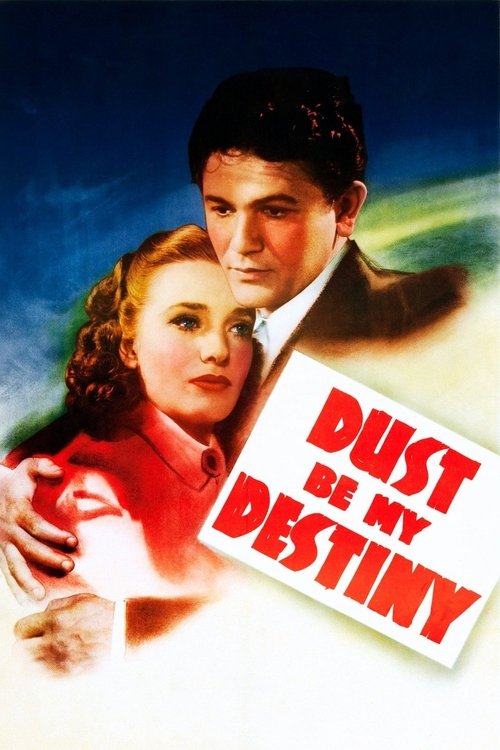
Dust Be My Destiny
1939
No user ratings available yet
Diversity score: 2.0 out of 10

1996
RDirector
Mitch Marcus
Runtime
97 minutes
Average Rating
No ratings yetSynopsis
After a run-in with the law, an angry maladjusted young man starts calling himself "Hate". One night he saves a girl from a lusty Assistant District Attorney. He falsely accuses them of robbery, so they go on the run and make things worse.
Overall Score
Limited
Category Breakdown
LGBTQ+ Representation
The film lacks explicit LGBTQ+ characters or narratives that critique heteronormativity. The central conflict involving a lusty Assistant District Attorney relies on traditional tropes of power and desire.
Gender Representation
The story centers on a male protagonist's agency. While the female lead begins as a victim, her role in a false accusation offers a slight subversion of the damsel in distress archetype.
Racial & Ethnic Diversity
There is no information available regarding the racial or ethnic composition of the cast. The identities of the protagonist and the ADA remain unstated.
Religious & Cultural Diversity
The narrative explores friction with legal institutions through individual criminal escapism. It focuses on personal maladjustment rather than a systemic critique of cultural or Western power structures.
Disability Representation
The film provides no evidence of characters with visible or invisible disabilities. There is no representation of neurodivergence or mental health conditions portrayed with agency.
Strengths
Areas for Improvement
AI Analysis
A Boy Called Hate operates as a conventional mid-90s crime drama. It centers on a maladjusted protagonist and a legal evasion plot, following standard genre tropes rather than progressive storytelling. The film offers minimal subversion of traditional hierarchies. While the female character moves beyond a simple victim role by participating in a deception, the narrative remains largely centered on male reactive agency. Overall, the work lacks intersectional depth. Without information on racial diversity or the inclusion of LGBTQ+ identities, the film functions within traditional social frameworks rather than challenging them.
1939

2013
1974
1974

1972

2026

1999

1981

2001
1994
1992

1994
No reviews yet. Be the first to share your thoughts on this movie!
Use the rating form above to leave a star rating and optional review.