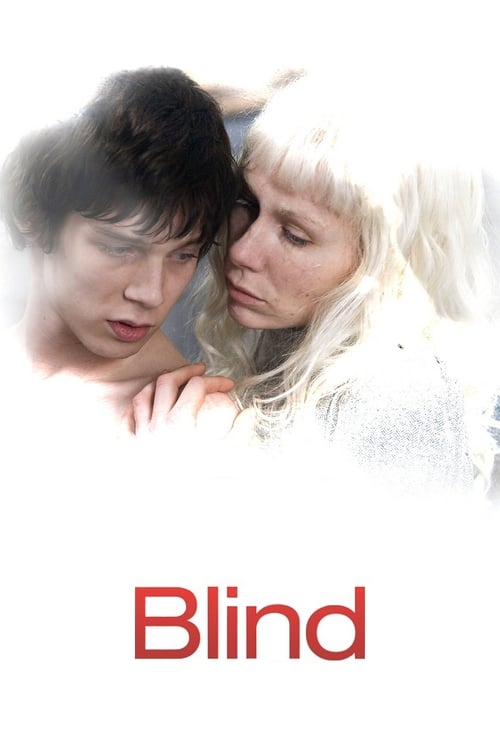
Blind
2007
No user ratings available yet
Representation score: 7.4 out of 10

Representation Score
Fair
2016
Director
Harry Cleven
Runtime
80 minutes
Average Rating
No ratings yetNew Showbiz Analysis
The film uses magical realism to explore life on the fringes of social normalcy. By focusing on characters with sensory and psychological differences, it offers a nuanced look at non-traditional experiences. Though it lacks visible LGBTQ+ or racial diversity, it excels in its portrayal of disability. Characters navigate their unique circumstances with significant influence rather than being mere objects of sympathy. The film's strength lies in its challenge to traditional social structures, validating unconventional human experiences through the perspective of outsiders.
Category Breakdown
The story centers on heterosexual relationships between the main character and Madeleine, without any explicit mention of LGBTQ+ identities or critiques of heterosexuality.
Louise is a key figure who deals with psychological trauma and maternal responsibilities. She avoids passive stereotypes but the narrative still emphasizes traditional maternal roles.
The provided information does not offer specific details regarding the racial or ethnic composition of the cast. No definitive score can be assigned due to lack of data.
The film challenges conventional ideas of normalcy by focusing on a psychiatric asylum and using magical realism. It highlights subjective, outsider experiences over mainstream societal norms.
The film portrays blindness and psychological struggles as core aspects of identity rather than as plot devices to evoke pity. Madeleine is shown taking control in a significant relationship.
Present on Screen
Limited or Absent
Official Synopsis
Once upon a time there was Louise and her friend, the magician. But his last trick left a bitter taste in her mouth. He disappeared in a curtain of smoke… never to appear again. This is too much for the young woman. Devastated by endless grief, Louise is sent to a psychiatric asylum, resigned to the idea that she will swallow pills till the end of her days. Yet nine months later she gives birth to a child who is likely to have a big problem for his future class pictures, since he’s invisible. But Louise doesn’t care. He’s her angel and, wanting to protect him from this cruel world, she decides to keep his existence a secret. Years later, Louise’s angel has grown up. He even managed to find a girlfriend; Madeleine. The two become inseparable, for Madeleine never judges him. And for good reason: she’s blind.
2007
1996
2019
2016
2017
1962
2016
2005
No reviews yet. Be the first to share your thoughts on this movie!
Use the rating form above to leave a star rating and optional review.