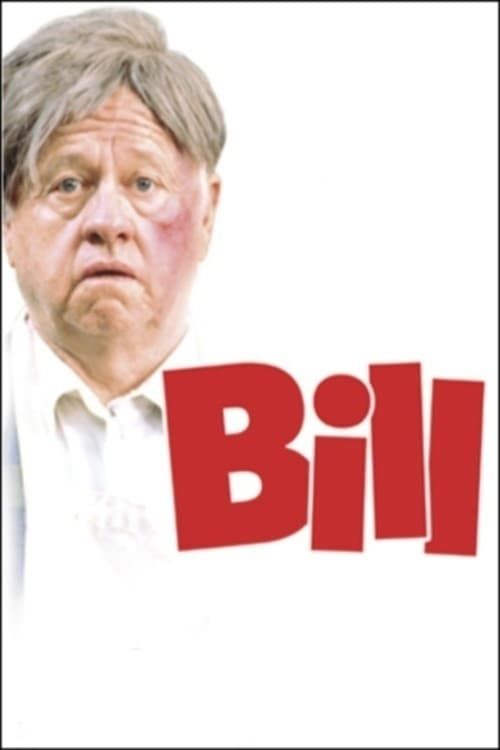
Bill
1981
No user ratings available yet
Representation score: 4.0 out of 10

Representation Score
Fair
1996
NRDirector
Jaco Van Dormael
Runtime
118 minutes
Average Rating
No ratings yetNew Showbiz Analysis
The film excels in its nuanced portrayal of neurodivergence, granting Georges a level of ability to act that disrupts traditional power dynamics. By centering his humanity, the story avoids common clichés of pity or 'inspiration porn'. However, the film's social scope is narrow. The lack of LGBTQ+ representation and the limited roles available to women restrict the narrative's breadth. The homogeneous cast also reflects a specific, non-diverse European setting. Ultimately, the film's strength lies in its philosophical critique of capitalism and its respectful handling of disability, even if it lacks broader demographic variety.
Category Breakdown
The story focuses on a close friendship between two men without any explicit depiction of LGBTQ+ identities or non-straight relationships.
The film critiques rigid masculine archetypes by showcasing a successful businessman who is emotionally unstable. Female characters have limited roles and rarely drive the plot themselves.
Set in a European context, the cast remains largely homogeneous. While avoiding harmful stereotypes, the film does not actively include diverse racial backgrounds.
The narrative challenges Western capitalist structures by prioritizing emotional authenticity over material success. It uses an outsider's perspective to expose the artificiality of societal norms.
Georges is portrayed who play a significant role in driving the story and emotional depth rather than as a source of pity. He serves as the primary driver of the protagonist's personal growth.
Present on Screen
Limited or Absent
Official Synopsis
An unusual and wonderful friendship develops between a busy but unhappy salesman and a resident of a mental asylum.
1981

2014

2009

2015

2018

2000

2017

1998
No reviews yet. Be the first to share your thoughts on this movie!
Use the rating form above to leave a star rating and optional review.