
Before Born
2006
No user ratings available yet
Representation score: 5.7 out of 10
Representation Score
Fair
1996
Director
Zhang Ming
Runtime
96 minutes
Average Rating
No ratings yetNew Showbiz Analysis
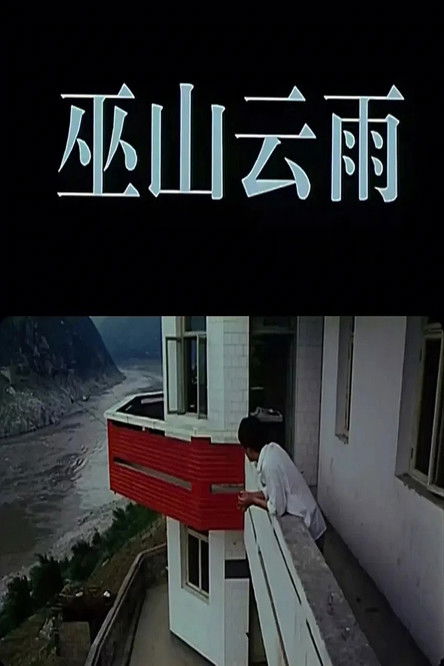
Rainclouds Over Wushan is a character-driven drama that prioritizes psychological realism over traditional heroic archetypes. It aligns with the Sixth Generation of Chinese filmmaking by focusing on urban realism and individual alienation within changing social structures. The film successfully deconstructs authority figures, moving away from simple binaries of good and evil toward moral relativism. It provides a meaningful departure from state-sanctioned narratives by exploring the psychological complexities of its characters. However, the film lacks explicit markers of diversity. The narrative structure relies on a traditional investigation framework, and there is no visible representation of LGBTQ+ identities or physical disabilities.
Category Breakdown
The film deals with a criminal investigation involving sexual assault but does not explicitly include non-straight or non-cisgender identities or critique the assumption that everyone is straight or cisgender.
The story revolves around a power struggle between a policeman, a suspect, and a female victim. While the female clerk plays a central role in the investigation, her influence and control remain nuanced.
The cast is ethnically uniform, reflecting its Chinese production. However, the film offers a non-Western perspective that operates outside of Anglo-Saxon cinematic norms.
The film examines the tension between individual impulses and societal order. It challenges heroic archetypes by focusing on an introverted figure within a state-related role.
There is no verifiable information regarding the portrayal of physical or neurodivergent disabilities in this work.
Present on Screen
Limited or Absent
Official Synopsis
A policeman investigates an introverted signal-station manager suspected of raping a hotel clerk.
2006

1999

2004

2023

2014
2007

2019
1990
No reviews yet. Be the first to share your thoughts on this movie!
Use the rating form above to leave a star rating and optional review.