
Stone Cold
2005
No user ratings available yet
Representation score: 2.0 out of 10
Representation Score
Minimal
2007
Not RatedDirector
Robert Harmon
Runtime
88 minutes
Average Rating
No ratings yetNew Showbiz Analysis
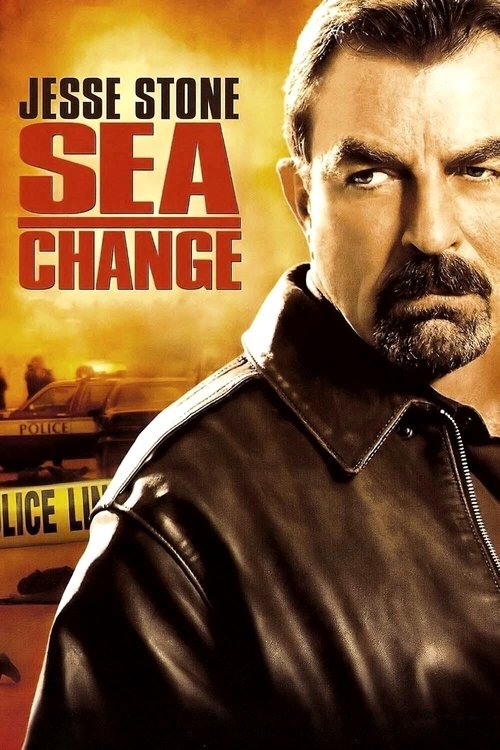
Jesse Stone: Sea Change is a traditional procedural drama that prioritizes neo-noir genre conventions over diverse representation. The narrative structure reinforces established social and cultural norms rather than challenging them. The film focuses on a homogeneous cast and a standard moral compass, resulting in a lack of meaningful representation for underrepresented groups. It functions as a localized character study within a specific demographic. Ultimately, the work lacks the intentionality required to disrupt conventional clichés, favoring individualistic storytelling and traditional archetypes.
Category Breakdown
The film does not include any LGBTQ+ characters and does not explore non-straight relationships. The interpersonal dynamics focus on traditional romantic and familial structures.
The film relies on conventional gender stereotypes, featuring a stoic, traditional male lead. Female characters have emotional depth but the film reinforces traditional gender roles.
The setting and casting reflect a homogeneous, primarily white New England environment. Characters of color are not featured in roles that require significant influence over the plot.
The story operates within a traditional Western moral framework, emphasizing individual responsibility. It does not critique Western institutions or traditional family structures.
Themes of addiction and mental health are presented as personal flaws. The film uses the 'troubled protagonist' cliché rather than exploring nuanced disabilities.
Present on Screen
Limited or Absent
Official Synopsis
Police Chief Jesse Stone's relationship with his ex-wife worsens, and he fears he's relapsing into alcoholism. To get his mind off his problems, Jesse begins working on the unsolved murder of a bank teller shot during a robbery. Also, his investigation of an alleged rape draws him into conflict with the town council — which hopes to preserve Paradise's reputation as an ideal seaside resort.
2005
2010

2015
2006

2012

2006

2011

2009
No reviews yet. Be the first to share your thoughts on this movie!
Use the rating form above to leave a star rating and optional review.