
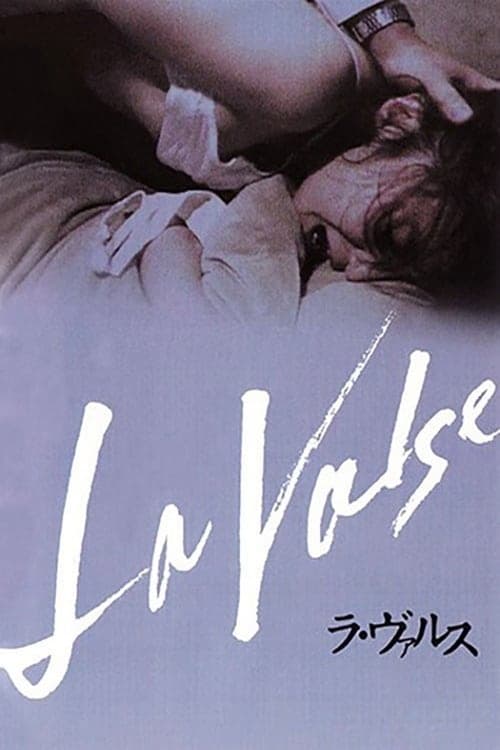
The Rape
1982
No user ratings available yet
Representation score: 4.6 out of 10
Representation Score
Fair
1990
Director
Akio Jissoji
Runtime
60 minutes
Average Rating
No ratings yetNew Showbiz Analysis
Akio Jissoji’s drama functions as a psychological exploration of conflicting testimonies. It moves away from traditional hero-versus-villain archetypes to examine how perception shapes reality. The film's strength lies in its refusal to offer easy moral resolutions. By centering the plot on the incompatibility of truths, it challenges the viewer to look beyond simple binaries of guilt and innocence. While the film offers sophisticated thematic depth, it lacks overt representation of specific underrepresented identities, such as LGBTQ+ characters or individuals with disabilities.
Category Breakdown
The film does not include explicit LGBTQ+ characters or non-cisgender identities. However, it explores the subjectivity of experiences, challenging the certainty of straight-centered assumptions.
Yumiko Kawamura plays a central role in the narrative, driving the investigative tension. The film challenges traditional gender hierarchies by focusing on her personal reality against the male-dominated legal gaze.
The cast appears largely homogeneous, reflecting a Japanese production. The narrative focuses on individual versus institutional dynamics rather than exploring diverse ethnic backgrounds.
The film critiques the reliability of legal institutions through its embrace of moral relativism. It favors a nuanced, subjective morality over a singular, punitive moral code.
There is no evidence of the portrayal of physical or neurodivergent disabilities within the narrative.
Present on Screen
Limited or Absent
Official Synopsis
A rape incident has occurred. The victim was a woman named Yumiko Kawamura, a dental hygienist. However, the statements of the victim Yumiko and the suspect Saburo Kubo were completely incompatible. Adachi, a national lawyer who took on the defense of the suspect, will begin a personal investigation of Yumiko to find out the truth of the case.
1982
2017
2007

1999
2013
1998

1965

2018
No reviews yet. Be the first to share your thoughts on this movie!
Use the rating form above to leave a star rating and optional review.