
The Other Son
2012
No user ratings available yet
Representation score: 4.4 out of 10
Representation Score
Good
2013
Not RatedDirector
Hirokazu Kore-eda
Runtime
120 minutes
Average Rating
No ratings yetNew Showbiz Analysis
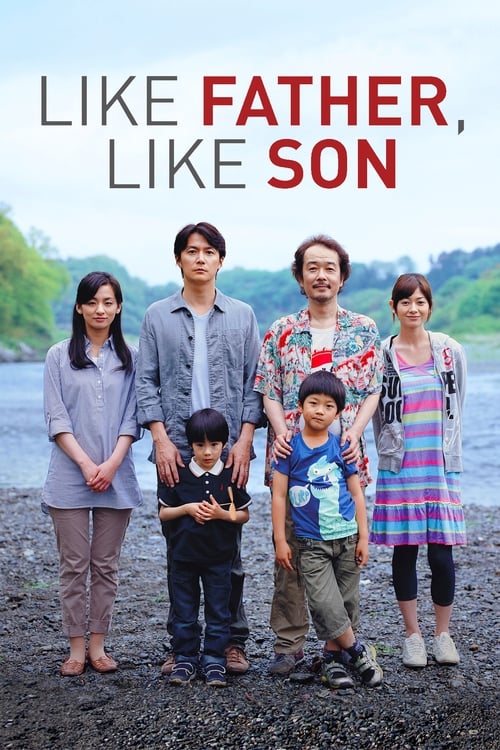
Like Father, Like Son is a sophisticated exploration of kinship that prioritizes thematic depth over broad demographic representation. Using a hospital mix-up, the film questions the permanence of biological ties versus social constructs. It moves beyond simple family dynamics to challenge the idea of fixed biological truths. Ultimately, the film's strength lies in its refusal to offer straightforward moral solutions, focusing instead on the subjective experiences of its characters.
Category Breakdown
The film focuses on straight relationships and does not include LGBTQ+ characters or narratives that challenge traditional norms.
The story provides a nuanced look at gender roles, contrasting the protagonist's capitalist mindset with the emotional influence of maternal figures.
The film centers on a homogeneous Japanese middle-class society, emphasizing socioeconomic differences rather than diverse ethnic backgrounds.
Kore-eda challenges the traditional nuclear family ideal, presenting identity as a construct rather than something inherited.
The film explores psychological vulnerability and the emotional impact of losing one's identity, without depicting visible or neurodivergent disabilities.
Present on Screen
Limited or Absent
Official Synopsis
Ryota Nonomiya is a successful businessman driven by money. He learns that his biological son was switched with another child after birth. He must make a life-changing decision and choose his true son or the boy he raised as his own.
2012

1996
2020
1995

2016
1949
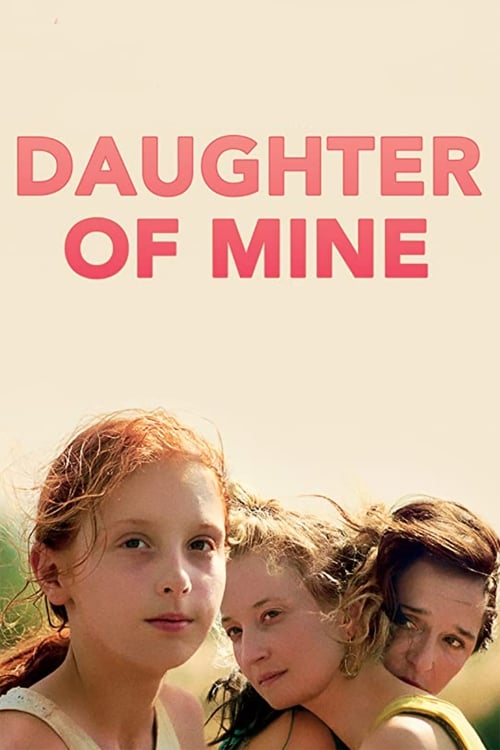
2018

1989
No reviews yet. Be the first to share your thoughts on this movie!
Use the rating form above to leave a star rating and optional review.