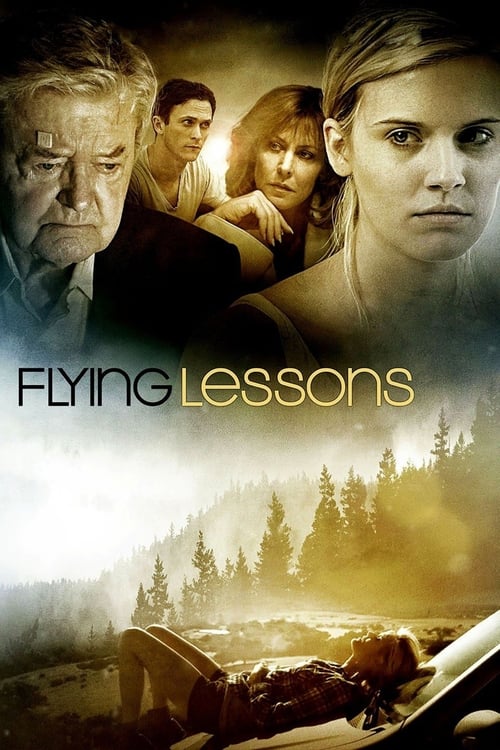
Flying Lessons
2010
No user ratings available yet
Representation score: 6.3 out of 10

Representation Score
Fair
2010
Not RatedDirector
Bruno Chiche
Runtime
93 minutes
Average Rating
No ratings yetNew Showbiz Analysis
Small World offers a sophisticated exploration of memory and cognitive decline, using neurological impairment to challenge established social hierarchies. The film treats disability with nuance rather than relying on simple clichés. However, the film remains limited by a narrow demographic focus, with a social circle that appears homogeneous and Eurocentric, lacking racial or ethnic diversity within the primary cast. While the narrative effectively uses subjective memory to challenge the stability of traditional patriarchal family histories, it lacks LGBTQ+ representation and adheres to a traditional heterosexual framework.
Category Breakdown
The film does not include any LGBTQ+ characters or non-cisgender identities. The story revolves around a traditional wedding, which emphasizes a conventional heterosexual relationship.
Elvira plays a significant role in managing Conrad's medical care and living arrangements. The protagonist's neurological decline challenges traditional male competence.
The story focuses on a localized, affluent social circle, suggesting a homogeneous, Eurocentric demographic without evidence of multiculturalism or intentional demographic blending.
The film critiques institutionalized truth by contrasting fragmented personal memories with official family history. It deconstructs the idea of a singular, authoritative patriarchal legacy.
Neurological impairment serves as a central theme in the narrative. The film provides a grounded portrayal of cognitive disability through medical examinations and professional care.
Present on Screen
Limited or Absent
Official Synopsis
Conrad Lang, a handyman in a rich family - he has been raised like a brother with Thomas, who has the same age -, accidentally puts fire to the big holiday house he keeps. He returns to the town he grew up in, to the family home, where Philippe, Thomas's son, and Simone are getting married. Conrad's frequent memory loss and behavioural problems rapidly reveal a neurological disease (Alzheimer's is suggested by doctor Cohen when he examens Elvira) which leads Elvira, Thomas's stepmother, to install Conrad in a guesthouse on the property, with the help of a nurse. When Conrad looses more and more his landmarks in present and past, memories of his youth come back to surface. They intrigue Simone, since these memories do not entirely fit together with the official family history...
2010
2014

2006

2010
2019
2023
2005
2018
No reviews yet. Be the first to share your thoughts on this movie!
Use the rating form above to leave a star rating and optional review.