
Abused Confidence
1937
No user ratings available yet
Diversity score: 2.8 out of 10
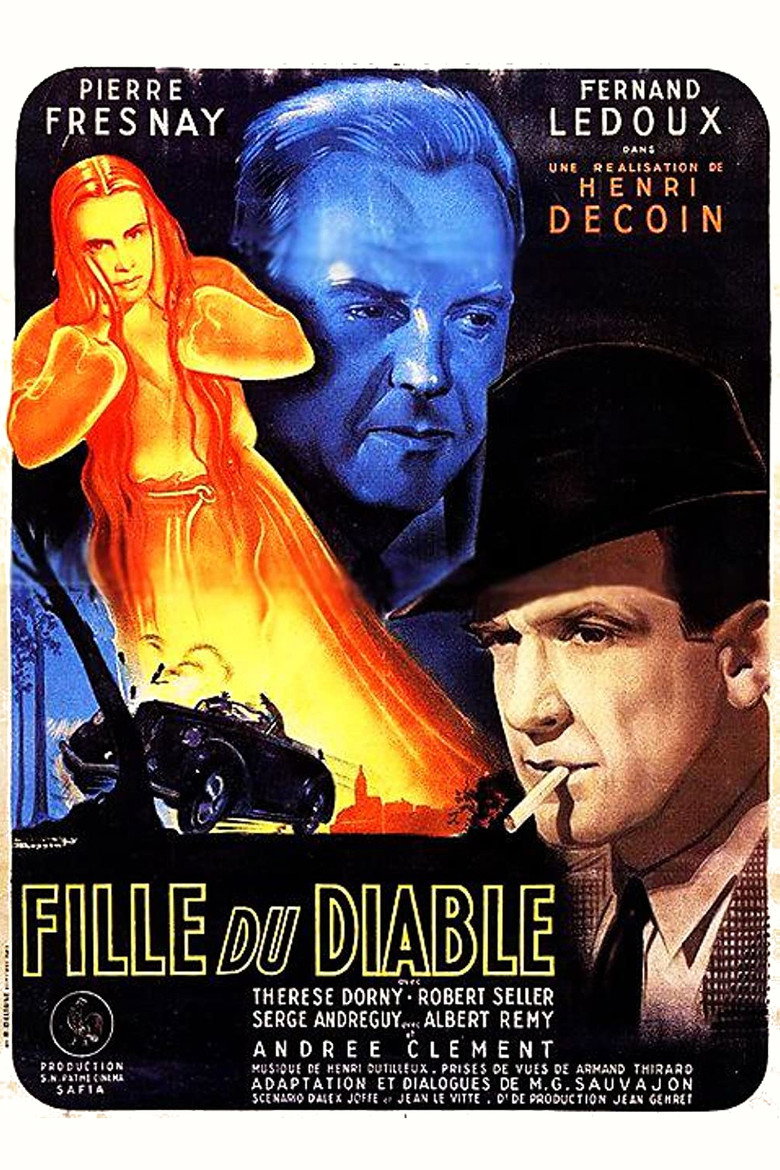
1946
Director
Henri Decoin
Runtime
105 minutes
Average Rating
No ratings yetSynopsis
Pursued by the police, Saget usurps the identity of a man who was returning to his town after having made his fortune in the United States. Under this new name, he deceives his compatriots with the exception of a doctor and the savage Isabelle. During an explanation Saget understands that Isabelle secretly admires him. She denounces him and Saget surrenders without a fight. Thus he ruins all his prestige with the young Amazon.
Overall Score
Minimal
Category Breakdown
LGBTQ+ Representation
The film lacks any evidence of non-heteronormative identities. The central romantic tension follows a traditional admirer-subject dynamic without critiquing heteronormativity.
Gender Representation
Isabelle disrupts passive femininity by acting as a moral arbiter. As a 'savage Amazon,' she possesses the agency to dismantle the protagonist's prestige through her decisive actions.
Racial & Ethnic Diversity
The narrative focuses on a localized French setting. There is no indication of a non-white cast or the use of diverse ethnic identities.
Religious & Cultural Diversity
Themes of identity usurpation introduce moral relativism. However, the story ultimately reinforces traditional institutional authority by concluding with the protagonist's surrender to social order.
Disability Representation
There is no evidence of characters with visible or invisible disabilities being portrayed as part of the narrative fabric.
Strengths
Areas for Improvement
AI Analysis
Devil's Daughter is a mid-century drama that largely adheres to the conventional narrative arcs of its era. While it lacks modern intersectional depth, it avoids being entirely one-dimensional through its character dynamics. The film's primary strength lies in its subversion of gender tropes. Isabelle provides a rare moment of female agency, acting as a catalyst for the plot's resolution rather than a passive observer. However, the film remains limited by its traditional social framework. It lacks representation of LGBTQ+ identities, racial diversity, or disability, focusing instead on a localized story of deception and moral restoration.
1937
1939

1954

1940
1931

1951
1944
1932
1942
1926

1918

1938
No reviews yet. Be the first to share your thoughts on this movie!
Use the rating form above to leave a star rating and optional review.