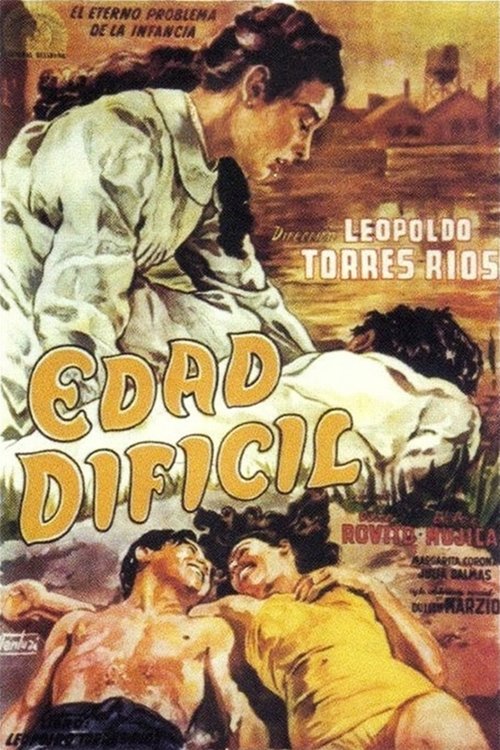
Edad difícil
1956
No user ratings available yet
Representation score: 1.5 out of 10
Representation Score
Limited
1959
Director
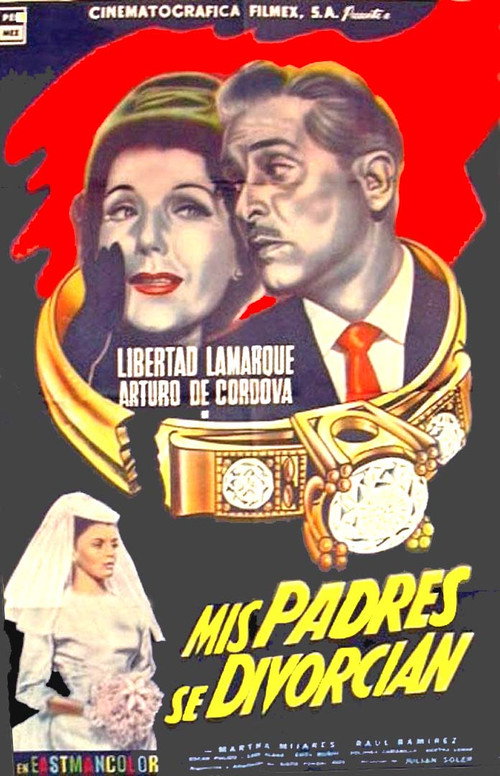
Julián Soler
Runtime
118 minutes
Average Rating
No ratings yetNew Showbiz Analysis
This 1959 production is a product of the Golden Age of Mexican cinema, operating strictly within the social and cinematic frameworks of its time. It functions as a domestic melodrama that prioritizes traditional family structures and established cultural norms. The film's focus on the breakdown of the nuclear family reflects the era's preoccupation with social stability and moral lessons. While it provides a platform for Mexican cultural identity, it lacks the subversion needed to address multiple aspects of diversity. Ultimately, the film is a period-specific reflection of mid-century Latin American values, emphasizing traditional gender roles and straight relationships over systemic critique.
Category Breakdown
The film does not include any LGBTQ+ characters or non-straight identities. It focuses on the breakdown of a traditional nuclear family through a straight-centered perspective.
Libertad Lamarque's role highlights the importance of women's ability to drive the story within the domestic drama. However, the film likely reinforces traditional gender roles typical of the era's romantic melodramas.
The production serves as a vehicle for Mexican cultural expression. The cast and setting align with the demographic norms and Latin American identity of the 1950s.
The story addresses the social taboo of divorce in 1950s Latin America. It likely reinforces traditional family values rather than critiquing systemic social structures.
There are no documented depictions of physical or neurodivergent disabilities in the cast or plot.
Present on Screen
Limited or Absent
1956

1970
1951
1958
1967

1980
1973
1991
No reviews yet. Be the first to share your thoughts on this movie!
Use the rating form above to leave a star rating and optional review.