You Keep the Kids
2021
No user ratings available yet
Representation score: 5.2 out of 10
Representation Score
Fair
1991
Director
Patrick Braoudé
Runtime
96 minutes
Average Rating
No ratings yetNew Showbiz Analysis
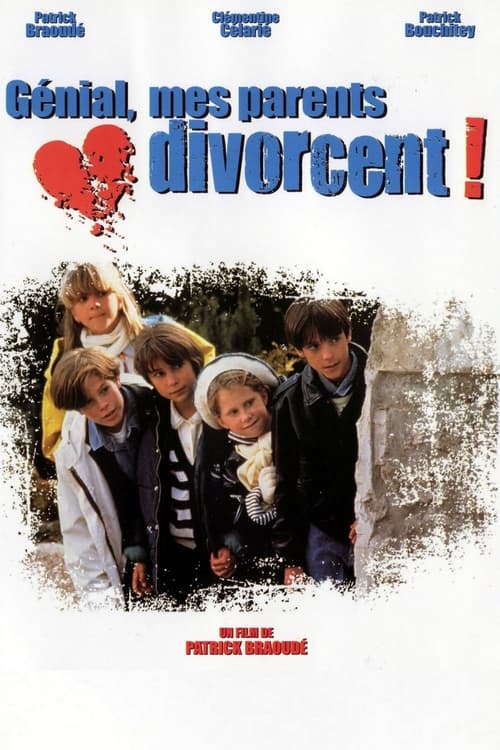
Great, My Parents Divorce! challenges traditional domestic norms by presenting divorce as a normalized social experience rather than an isolated catastrophe. However, the film lacks significant depth in addressing broader diversity markers such as race, LGBTQ+ identities, or disabilities. It remains focused on a localized, homogeneous social setting.
Category Breakdown
The film does not include any explicit LGBTQ+ characters or explore non-straight relationships. The story focuses solely on the breakdown of a parental marriage.
By focusing on a parental divorce, the film challenges the traditional patriarchal household structure. This shift moves away from the stereotype of the stable father as the family's mainstay.
The setting seems to be a homogeneous social environment typical of early 90s European comedies. There is no indication of a multi-ethnic cast or diverse racial representation.
The film breaks down the myth of the perfect nuclear family by presenting divorce as a common social reality. It portrays broken homes as a regular part of life rather than a rare tragedy.
Julien experiences depression, but it is unclear whether this is treated as a clinical condition or a situational response. The film does not provide much information on how mental health issues are addressed.
Present on Screen
Limited or Absent
Official Synopsis
Julien, a boy in the sixth grade, was badly depressed by the divorce of his parents. But he soon found that half of the class had come from broken families.
2021

1980

2007
2005
1977

2012
1991
1985
No reviews yet. Be the first to share your thoughts on this movie!
Use the rating form above to leave a star rating and optional review.