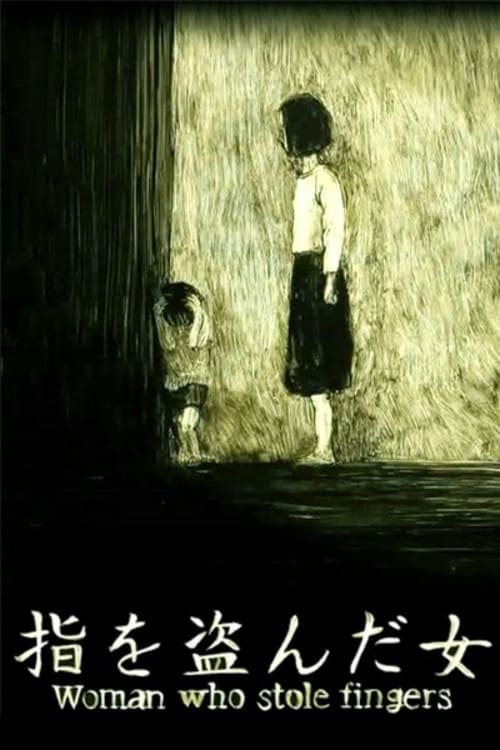
Woman Who Stole Fingers
2010
No user ratings available yet
Representation score: 5.6 out of 10
Representation Score
Good
2005
Director
Komiya Masatetsu, Masaki Adachi, Jumpei Mizusaki, Hiroshi Ando, Ryu Kaneda
Runtime
119 minutes
Average Rating
No ratings yetNew Showbiz Analysis
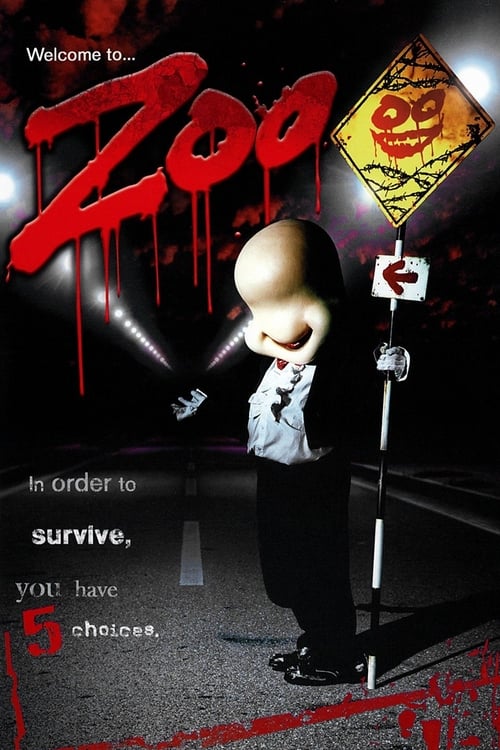
Zoo (2005) is an anthology that prioritizes psychological deconstruction over demographic inclusion. The films use surrealism to dismantle the stability of the nuclear family and traditional social roles. While the work lacks explicit representation of diverse identities or multicultural casting, it succeeds in subverting gender archetypes and questioning domestic norms. The focus remains on the uncanny and the breakdown of interpersonal structures. Ultimately, the anthology's strength lies in its thematic challenge to social stability, even as it remains culturally homogeneous and avoids explicit identity-driven storytelling.
Category Breakdown
The anthology focuses on psychological horror rather than identity-based stories. Although there are no explicitly non-assuming gender matches what was assigned at birth identities, the films depict domestic relationships as fractured and unsettling.
The collection emphasizes women's ability to drive the story within horror by focusing on women who take charge of their situations. Male characters are often shown as inadequate or psychologically unstable, challenging the traditional protector role.
As a Japanese production, the cast and setting are predominantly homogeneous. The films reflect the specific cultural context of the source material without incorporating multicultural casting or race-bending.
The films excel at critiquing traditional social and familial institutions. By presenting parenthood and domestic life as sources of trauma or alienation, the work challenges conventional social structures.
Representation focuses on psychological and sensory loss, such as the fracturing of mental stability. These states are treated as fundamental human conditions rather than mere caricatures, though they often drive atmospheric tension.
Present on Screen
Limited or Absent
Official Synopsis
Five different directors adapt the works of Japanese author Otsuichi in this collection of unconventional live-action and animated shorts. A woman is murdered under odd circumstances in the title film, "Zoo"; twin sisters are treated differently in "Kazari and Yoko"; two siblings find themselves trapped in "Seven Rooms"; a survivor learns about life and death in "When the Sun Shines"; and parents lose the ability to see each other in "So Far."
2010
1965

1975
1960
2007
2015
2004
2013
No reviews yet. Be the first to share your thoughts on this movie!
Use the rating form above to leave a star rating and optional review.