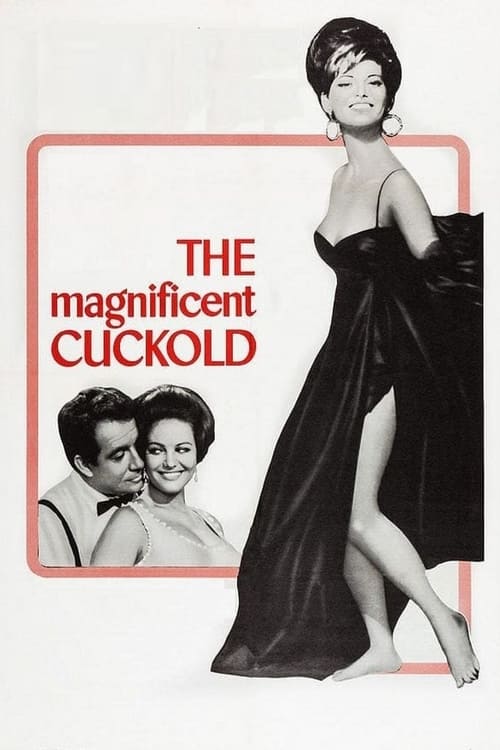
The Magnificent Cuckold
1964
No user ratings available yet
Representation score: 2.1 out of 10
Representation Score
Fair
1966
Director
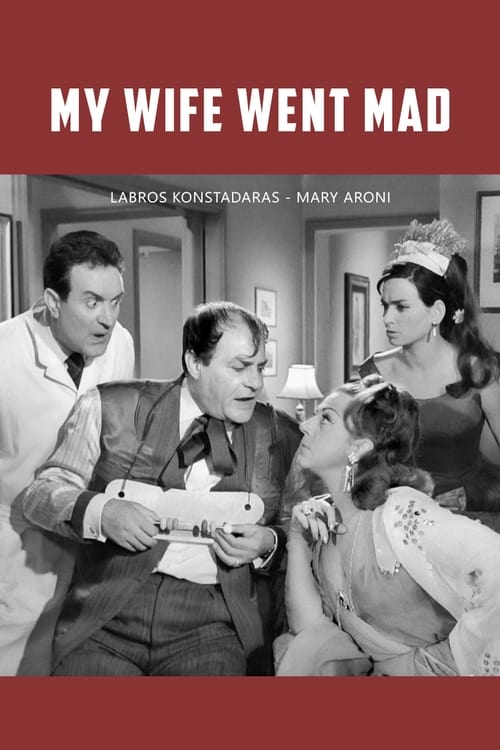
Dimitris Nikolaidis
Runtime
93 minutes
Average Rating
No ratings yetNew Showbiz Analysis
This 1966 Greek comedy operates within the conventional social frameworks of its time. The narrative revolves around a domestic dispute involving marital infidelity, using a traditional reversal-of-fortune cliché to drive the plot. While the female protagonist asserts herself to reclaim power, the film does not challenge systemic gender roles. Instead, it serves as a character study of retribution within a typical mid-century marriage. The film lacks representation of LGBTQ+ identities and ethnic diversity, reflecting the localized and homogeneous nature of the period's mainstream cinema.
Category Breakdown
There are no visible queer themes or non-binary gender identities in the film. It focuses solely on a heterosexual relationship.
Anna takes charge by planning a response to her husband's infidelity. However, her actions are confined within the traditional confines of a patriarchal marriage.
The film reflects the ethnic uniformity common in 1960s Greek cinema. There is no indication of diverse ethnic backgrounds or multi-layered casting.
The story emphasizes traditional Mediterranean social structures centered around the nuclear family. It focuses on personal morality without challenging established social norms.
Neurological conditions are used primarily as a plot device for manipulation. The film does not offer a nuanced depiction of disability, treating it more as a tool for social maneuvering.
Present on Screen
Limited or Absent
Official Synopsis
Anna thinks up a clever plan to bring her husband Manos on track. Having discovered that he is cheating on her, after only two years of marriage, she pretends to be crazy and decides to pay him back in the same coin.
1964
1961
1967
1965
1984

1941

2017

1954
No reviews yet. Be the first to share your thoughts on this movie!
Use the rating form above to leave a star rating and optional review.