Ordinary Happiness
2019
No user ratings available yet
Representation score: 6.9 out of 10
Representation Score
Good
2004
Director
Giulio Manfredonia
Runtime
90 minutes
Average Rating
No ratings yetNew Showbiz Analysis
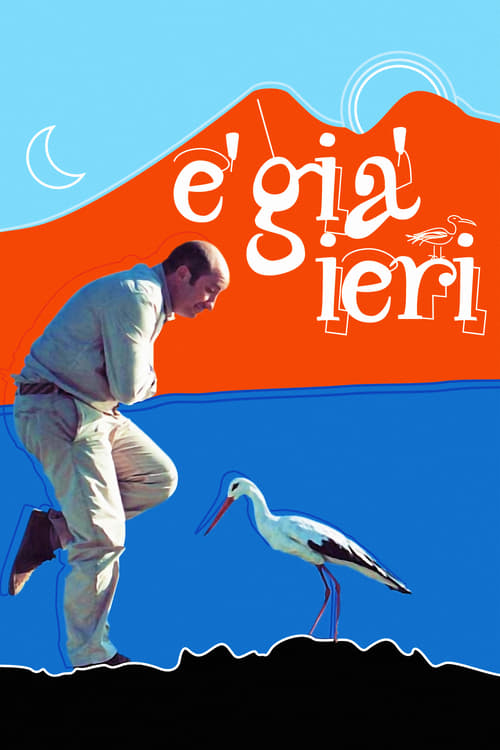
Stork Day is a character-driven psychological comedy that prioritizes existential themes over systemic representation. The narrative focuses heavily on the internal, solitary experience of its male protagonist. While the film avoids traditional clichés of heroic stability, it lacks the intentional multi-layered complexity found in more inclusive works. The shift to a Spanish setting provides a new backdrop, but does not necessarily translate to diverse casting. Ultimately, the film functions as a study of temporal and psychological reality rather than a vehicle for social or identity-based exploration.
Category Breakdown
The film focuses on a protagonist's psychological struggle within a temporal loop. There is no visible evidence of LGBTQ+ characters or narratives addressing non-straight relationships.
The story centers on Filippo, a male protagonist navigating internal paranoia. While women are not depicted in submissive roles, the singular male focus limits gender diversity and challenges to traditional gender roles.
The setting moves from Italy to Tenerife, introducing a new cultural landscape. However, the narrative prioritizes personal crisis over the exploration of racial or ethnic diversity.
The surrealist framework explores subjective truths rather than traditional morality. The protagonist's struggle against repetitive reality serves as a potential critique of rigid daily structures.
Filippo experiences paranoia and a fractured perception of time. It remains unclear if these mental health struggles are portrayed with real power or used as a plot device.
Present on Screen
Limited or Absent
Official Synopsis
Filippo is a star on the Italian TV. He works for a documentary series about wild animals and nature. He is sent to Tenerife (Spain) to shot an issue about the local stork. It is the 13th of August. After he did his job is time to leave, but the ferry couldn't operate. He has to spend the night in the island. The day after is again the 13th of August, and Filippo live again the same day for different times. Something has to change to exit the paranoid and unrealistic situation.
2019
1988
2008
2023
2023

2017
1991
2018
No reviews yet. Be the first to share your thoughts on this movie!
Use the rating form above to leave a star rating and optional review.