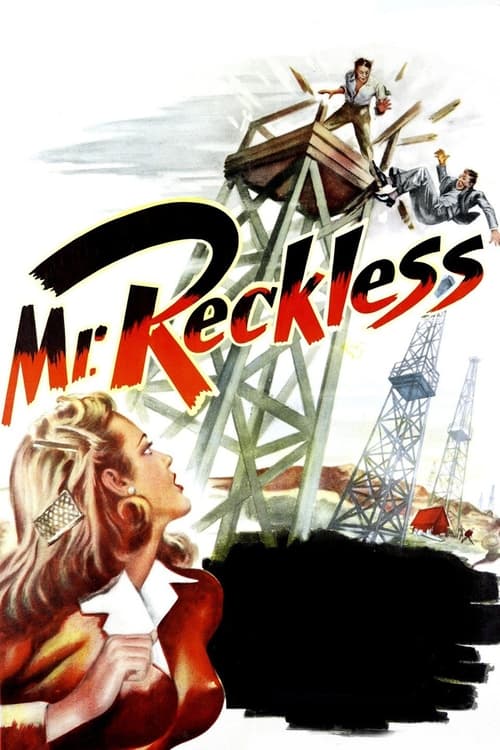
Mr. Reckless
1948
No user ratings available yet
Diversity score: 2.6 out of 10

1938
NRDirector
John Ford
Runtime
95 minutes
Average Rating
No ratings yetSynopsis
A naval officer is demoted for negligence and put in command of a run-down submarine chaser with a motley crew.
Overall Score
Minimal
Category Breakdown
LGBTQ+ Representation
The film maintains a strictly heteronormative structure. It focuses on a male-dominated military environment with no presence of non-cisnormative identities or same-sex intimacy.
Gender Representation
Agency is concentrated entirely within the male naval officers and crew. Women occupy secondary, domestic roles, serving primarily as emotional motivators for the men.
Racial & Ethnic Diversity
The cast is predominantly homogeneous, reflecting the historical reality of the early 20th-century US Navy. The narrative centers on a white, Anglo-Saxon crew.
Religious & Cultural Diversity
The story emphasizes patriotism and military authority. It promotes a singular view of duty and national service without deconstructing traditional state or family structures.
Disability Representation
Characters are depicted as able-bodied military professionals. There is no meaningful representation of physical disability, neurodivergence, or chronic illness.
Strengths
Areas for Improvement
AI Analysis
Submarine Patrol functions as a traditionalist mid-century studio production that reinforces established social and institutional hierarchies. The film prioritizes themes of duty, camaraderie, and military order over narrative complexity or social subversion. While the film captures the historical atmosphere of the late 1930s, it lacks intersectional depth. The storytelling relies on rigid patriarchal structures and a homogeneous cast, offering little representation outside of traditional American archetypes. Ultimately, the work serves to uphold the prevailing cultural and gendered norms of its era rather than challenging them.
1948
1948

1928

1931

1934

1953

1919

1941

1937
1959

1938

1959
No reviews yet. Be the first to share your thoughts on this movie!
Use the rating form above to leave a star rating and optional review.