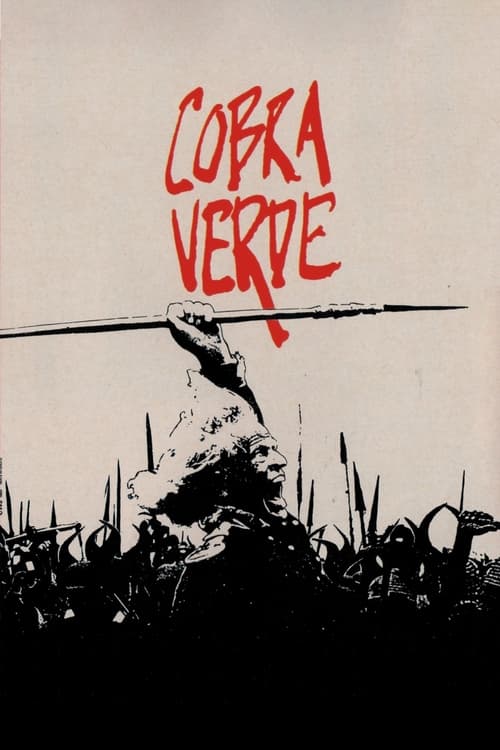
Cobra Verde
1987
No user ratings available yet
Diversity score: 6.7 out of 10
1959
Director
Georg Tressler
Runtime
98 minutes
Average Rating
No ratings yetSynopsis
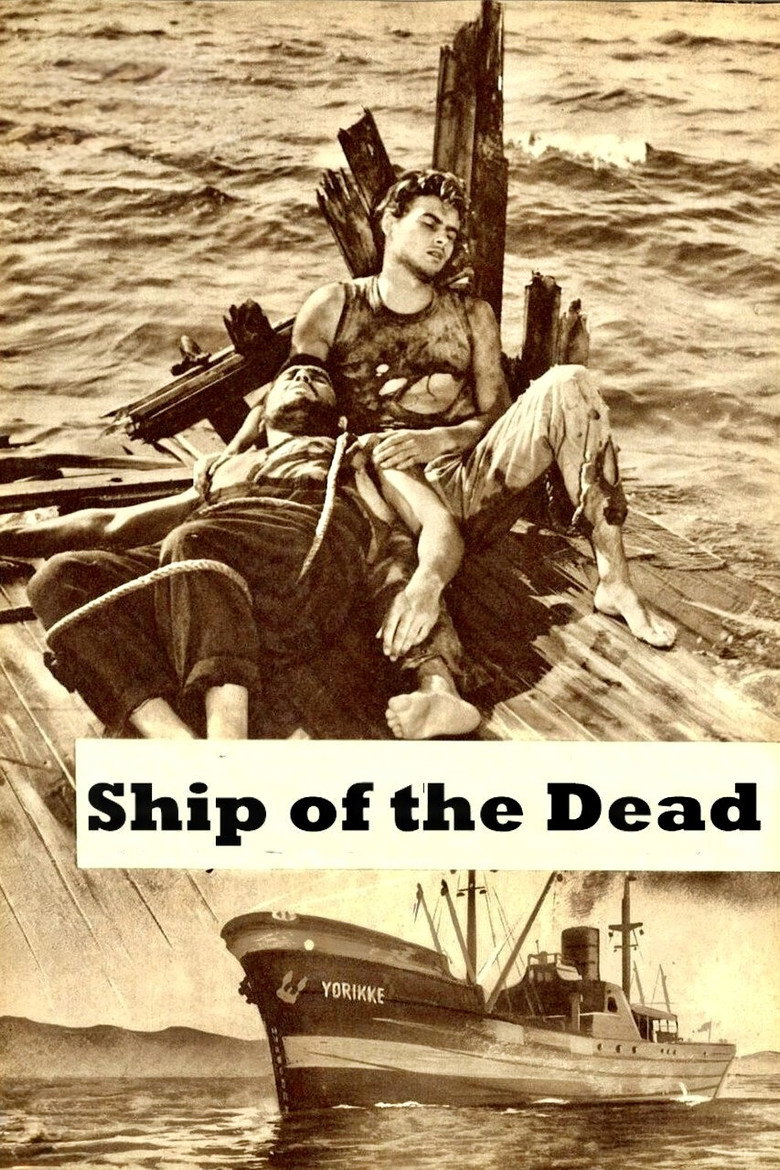
After a line of mischief Philip Gale, an American sailor, is lured into hiring on the "Yorikke", a tramp cargo, by Lawski, a stoker from Poland. Still, the two become friends within the motley crew of losers from all nations. Gale and his new companion soon are more than disillusioned: the "Yorikke" is far from seaworthy and more of a coffin than a ship, work is close to slavery, and treatment by the officers and their subalterns is harsh and cynical. One day they make an alarming discovery in a tin of plum butter they have procured from the ship's cargo... Written by Anonymous
Overall Score
Good
Category Breakdown
LGBTQ+ Representation
The film lacks explicit depictions of LGBTQ+ identities or non-heteronormative dynamics. The bond between Gale and Lawski serves as a connection of shared struggle rather than a romantic arc.
Gender Representation
The story centers on a male-dominated maritime environment. There is an absence of female agency or the subversion of traditional gendered power dynamics within the crew.
Racial & Ethnic Diversity
The narrative features a transnational workforce, including an American sailor and a Polish stoker. This multicultural crew disrupts the idea of a homogeneous maritime setting.
Religious & Cultural Diversity
The film critiques capitalist structures by portraying labor as near-slavery. It prioritizes the perspective of marginalized 'losers' over the cynical, harsh authority of the ship's officers.
Disability Representation
There is no evidence regarding the portrayal of physical or neurodivergent disabilities in the narrative.
Strengths
Areas for Improvement
AI Analysis
Ship of the Dead is a gritty examination of systemic exploitation and class struggle. It finds its strength in portraying a diverse, international working class united against a dehumanizing hierarchy. While the film excels at depicting a multicultural collective, it lacks representation regarding gender and LGBTQ+ identities. The setting remains a traditional, masculine space with little room for non-heteronormative expression. Ultimately, the film serves as a powerful critique of institutional authority, focusing on the struggle of the individual against a corrupt and oppressive system.
1987
1954
1937

1969
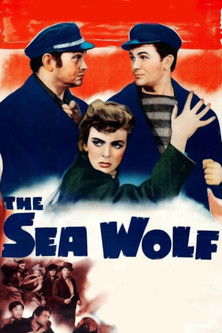
1941

1953
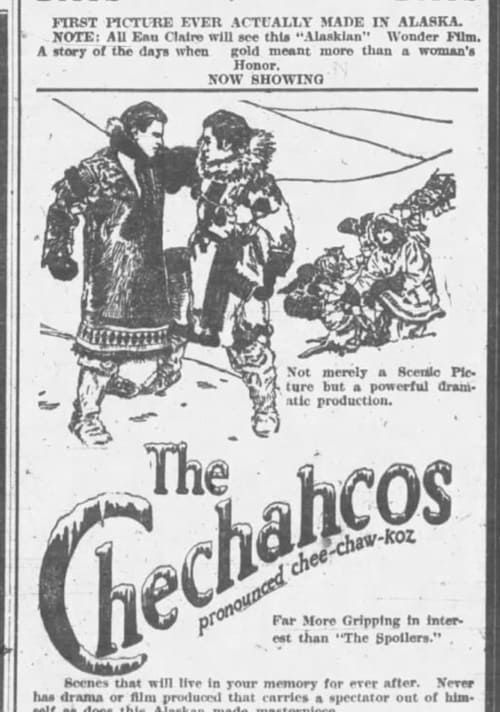
1924

1953

1947
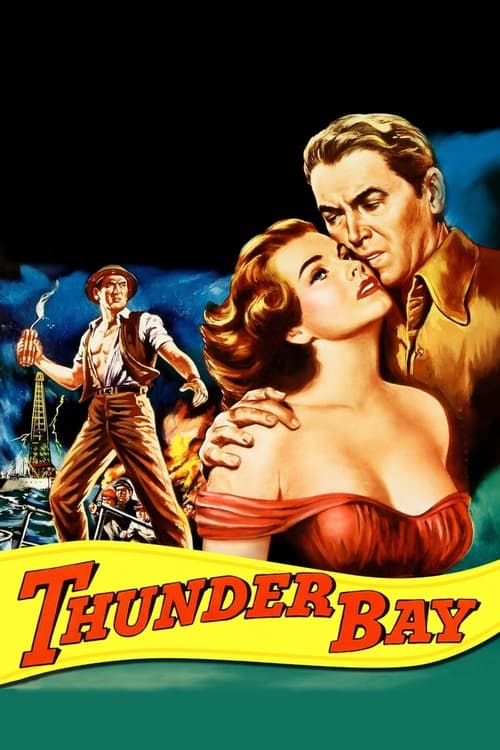
1953
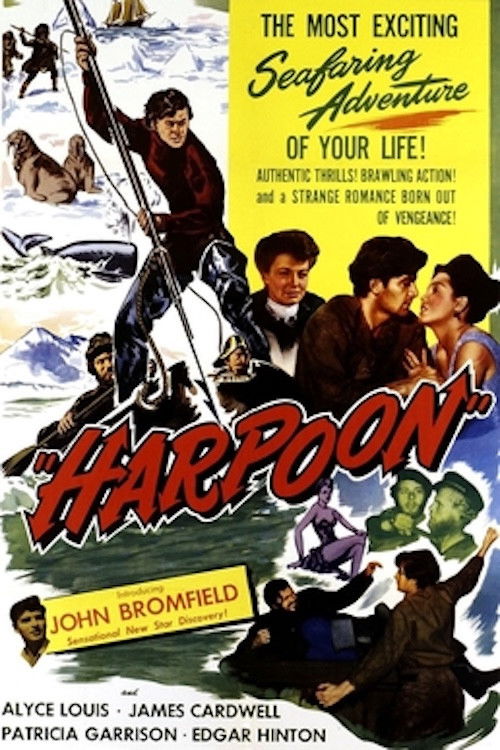
1948

1934
No reviews yet. Be the first to share your thoughts on this movie!
Use the rating form above to leave a star rating and optional review.