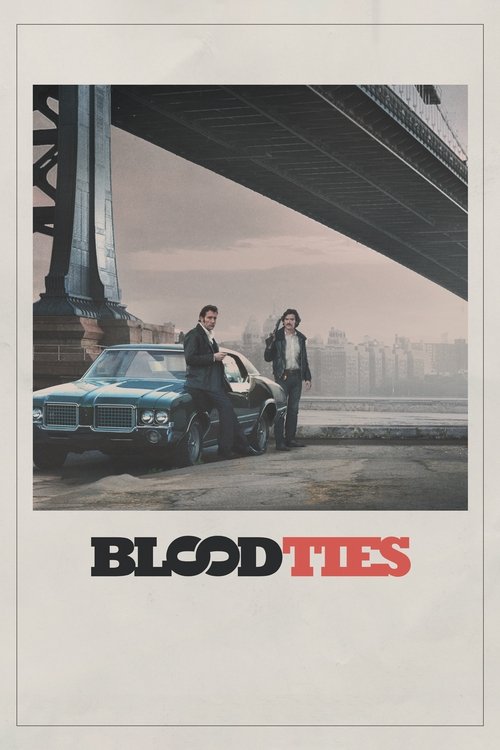
Blood Ties
2013
No user ratings available yet
Representation score: 1.3 out of 10
Representation Score
Minimal
2007
RDirector
James Gray
Runtime
118 minutes
Average Rating
No ratings yetNew Showbiz Analysis
James Gray’s neo-noir is a period-specific study of lineage and violence rooted in 1950s Brooklyn. It prioritizes historical realism and traditional character archetypes over contemporary identity-driven frameworks. The film explores moral relativism through the lens of survival within a specific ethnic enclave. The narrative architecture is built upon established social hierarchies. It focuses on the internal tensions of a homogeneous Irish-Catholic community, reinforcing traditionalist pressures rather than disrupting them. Ultimately, the film offers a classical exploration of fate and familial obligation. It does not seek to challenge conventional expectations regarding gender, race, or institutional authority.
Category Breakdown
The film operates within a strictly heterosexual framework. The central conflict is driven by a romantic connection between the protagonist and a female counterpart, with no representation of diverse sexual orientations or gender identities.
The narrative adheres to traditional hierarchies, propelled by masculine archetypes like gang loyalty and patriarchal duty. While the female lead provides emotional impetus, she functions primarily as a catalyst for the protagonist's development.
The story focuses almost exclusively on the Irish-Catholic diaspora in Brooklyn. It lacks broader racial diversity, centering instead on a homogeneous community defined by specific Irish-American cultural markers.
The Catholic Church serves as a central, stabilizing moral authority rather than an oppressive force. The narrative emphasizes familial loyalty and community codes within traditionalist social structures.
There are no prominent depictions of visible or invisible disabilities that serve as central character arcs or plot drivers.
Present on Screen
Limited or Absent
Official Synopsis
A New York nightclub manager tries to save his brother and father from Russian mafia hitmen.
2013

1994

2019
1980

2013
2000
2002
2000
No reviews yet. Be the first to share your thoughts on this movie!
Use the rating form above to leave a star rating and optional review.