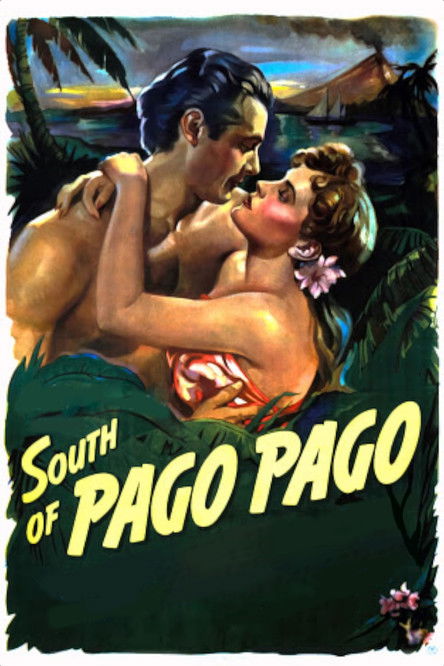
South of Pago Pago
1940
No user ratings available yet
Representation score: 0.9 out of 10
Representation Score
Minimal
1940
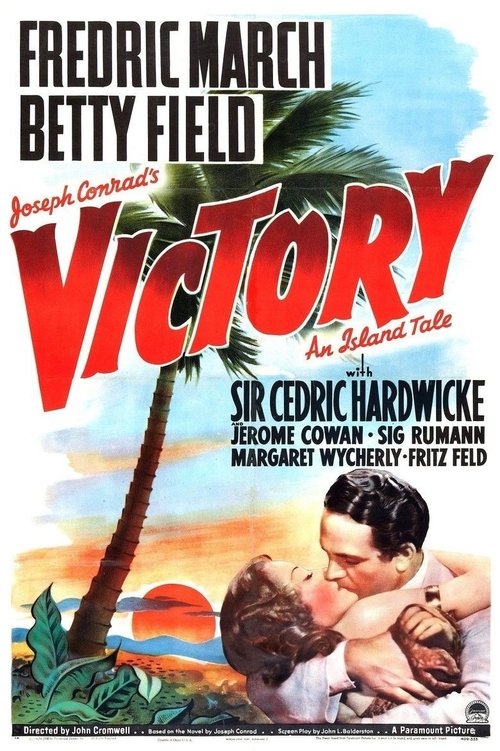
ApprovedDirector
John Cromwell
Runtime
79 minutes
Average Rating
No ratings yetNew Showbiz Analysis
Victory (1940) is a straightforward adventure film that follows traditional storytelling methods. The narrative focuses on clear moral distinctions and well-established character types. The film adheres to the social norms and censorship standards of its time, presenting a uniform view of identity and ability to act.
Category Breakdown
The film does not include any representation of LGBTQ+ identities or same-sex relationships. It assumes that all characters are straight and cisgender, following the conventions of 1940s Hollywood.
Women's roles in the film are limited to supporting or domestic duties. Men take on the primary roles and make decisions, reinforcing traditional gender roles where women have less control over their lives.
The cast is predominantly white, with no significant representation of diverse racial or ethnic backgrounds. The story does not explore the experiences of people from different racial backgrounds.
The story upholds traditional Western social norms and order. It does not challenge institutional power structures but instead emphasizes the stability of the existing social system.
There are no visible representations of neurodivergence or physical disabilities in the film. The characters are portrayed as fully able-bodied without addressing any disabilities.
Present on Screen
Limited or Absent
Official Synopsis
A hermit's idyllic life on an island is disturbed by the arrival of a bunch of cutthroats.
1940
1981
1955
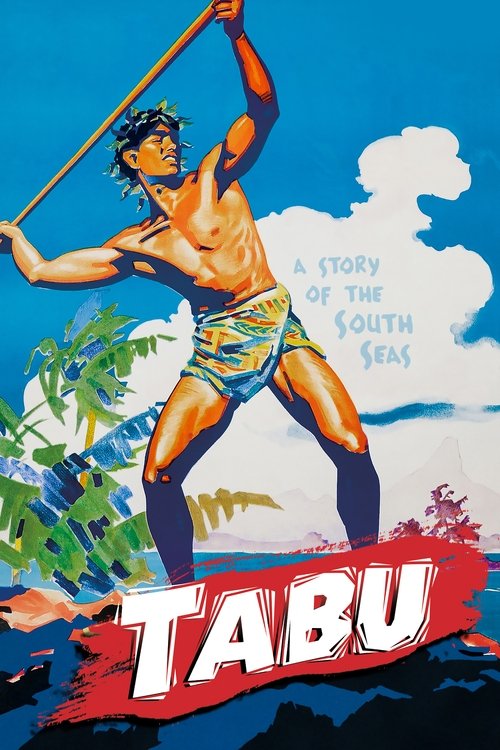
1931
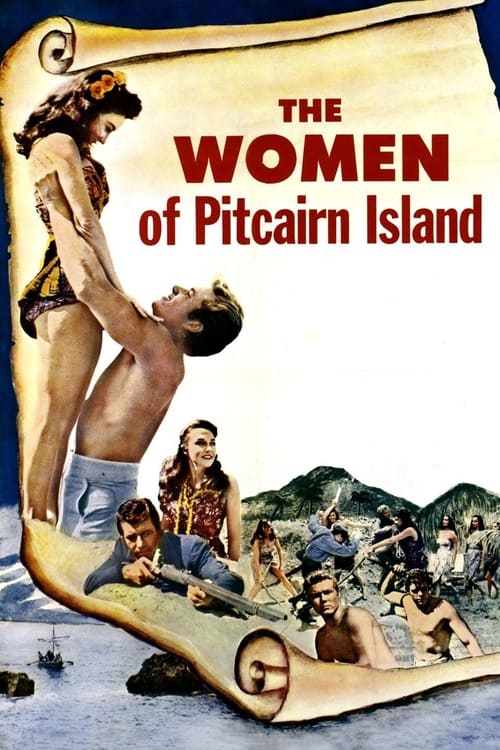
1956

1947
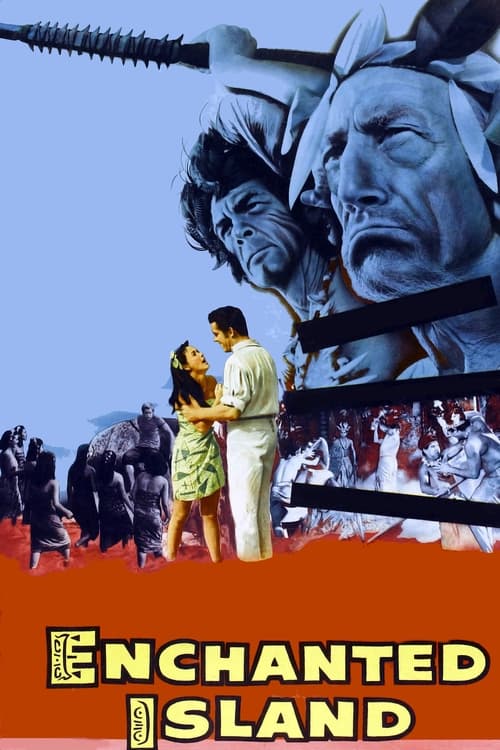
1958
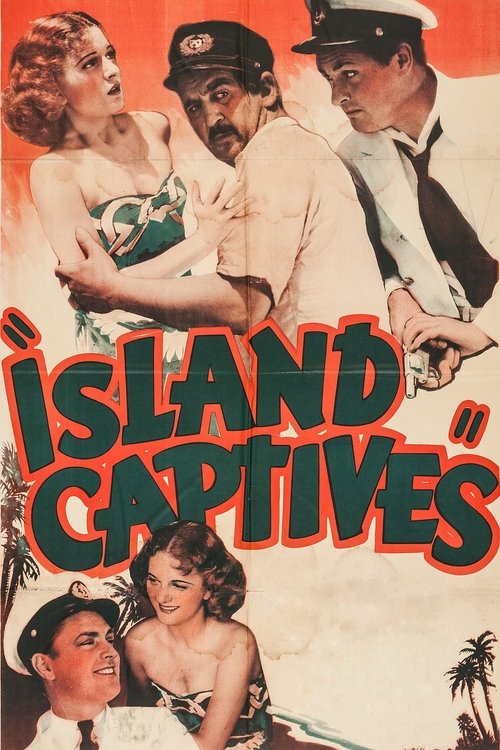
1937
No reviews yet. Be the first to share your thoughts on this movie!
Use the rating form above to leave a star rating and optional review.