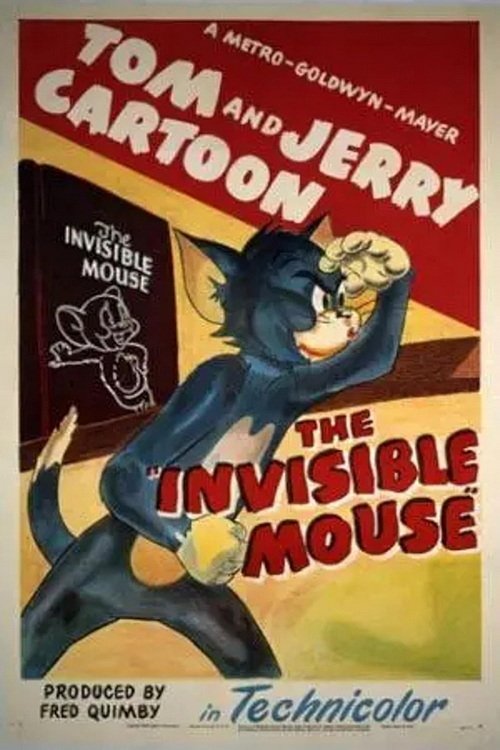
The Invisible Mouse
1947
No user ratings available yet
Representation score: 0.1 out of 10
Representation Score
Minimal
1951
NRDirector
William Hanna, Joseph Barbera
Runtime
7 minutes
Average Rating
No ratings yetNew Showbiz Analysis
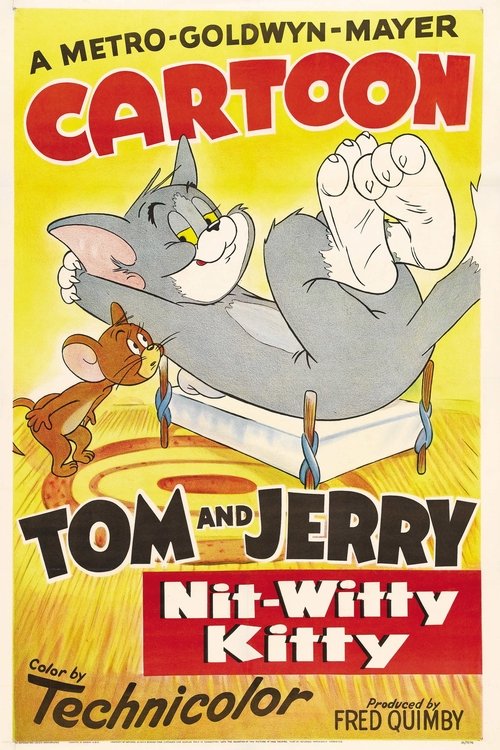
Nit-Witty Kitty is a classic slapstick short driven by physical gags rather than character-driven plots. The narrative centers on archetypal conflicts and energetic slapstick, lacking the complexity needed for layered social commentary. Operating within a closed system of predator and prey, the film avoids human social markers such as race, religion, or gender roles, resulting in minimal representation scores. Overall, the film prioritizes rhythmic pacing and physical comedy over social critique or character development, reflecting the traditional comedic structures of its time without attempting to challenge them.
Category Breakdown
This short focuses solely on species-based slapstick humor and does not include any queer themes or non-straight identities.
The all-animal cast avoids human gender roles. However, there are no female characters, leading to a lack of gender representation.
With anthropomorphic animals, the film does not have racial or ethnic markers. The story revolves around a predator-prey dynamic without human social markers.
The film follows mid-century American slapstick clichés, reinforcing traditional views on physical consequences without challenging cultural norms.
Amnesia serves as a comedic device for violence. Cognitive impairment is portrayed in a simplistic manner, using mental lapses for jokes.
Present on Screen
Limited or Absent
Official Synopsis
Tom has amnesia and believes he's a mouse. Jerry, finding him more obnoxious as a fellow rodent than as a cat, seeks to cure him with a blow to the head.
1947
1944
1949
1943
1950
1945
1940
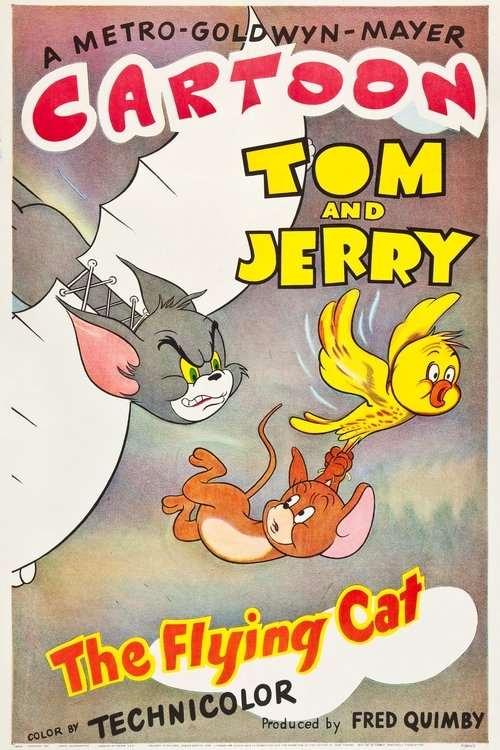
1952
No reviews yet. Be the first to share your thoughts on this movie!
Use the rating form above to leave a star rating and optional review.