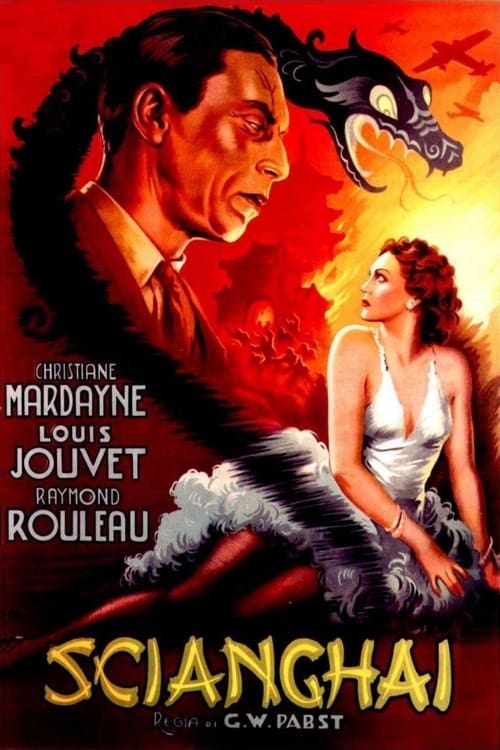
The Shanghai Drama
1938
No user ratings available yet
Diversity score: 4.3 out of 10

1939
Director
Georg Wilhelm Pabst
Runtime
90 minutes
Average Rating
No ratings yetSynopsis
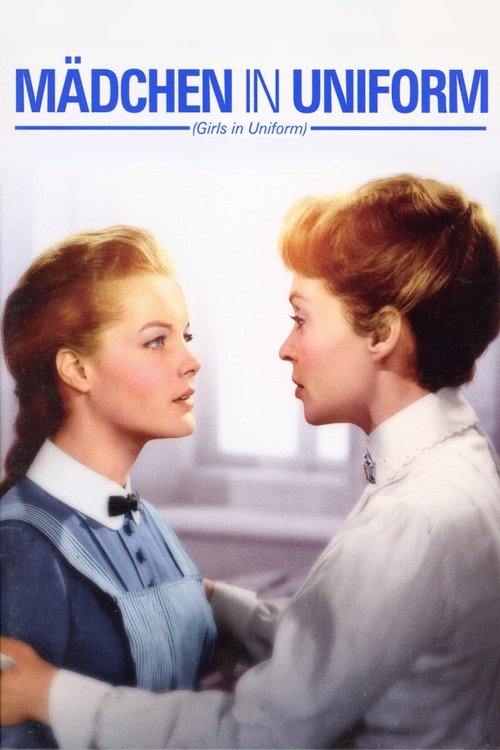
Somewhat reminiscent of 'Mädchen in Uniform' (1931), the story is set in a private girl's school, populated almost exclusively by children from broken homes. Among the few students who can claim family stability is Micheline Presle, but even her happiness is threatened when her lawyer father Andre Luguet inaugurates an affair with stage actress Jacqueline Debulac. With the help of Debulac's daughter Louisa Carletti, Presle is able to break up her father's romance and deliver him into the open arms of her mother Marcelle Chantal.
Overall Score
Fair
Category Breakdown
LGBTQ+ Representation
The film focuses on heteronormative romantic entanglements and familial reconciliation. While the girls' school setting evokes themes of non-cisnormative attraction, there is no explicit evidence of queer identity.
Gender Representation
The narrative disrupts patriarchal hierarchies by centering the agency of female characters. Young women act as the primary drivers of social and familial restructuring, challenging traditional depictions of female passivity.
Racial & Ethnic Diversity
The setting and cast align with the standard European demographic of the era. There is no evidence of non-white casting or racial diversity within the narrative.
Religious & Cultural Diversity
The story explores domestic instability and the deconstruction of the ideal family unit. It prioritizes situational ethics and the navigation of subjective morality over rigid institutional stability.
Disability Representation
There is no mention of characters possessing visible or invisible disabilities within the provided context.
Strengths
Areas for Improvement
AI Analysis
G.W. Pabst utilizes a sophisticated narrative architecture to explore the friction between individual desire and social structures. The film gains strength from its subversion of traditional domestic roles, empowering female protagonists to influence adult romantic outcomes. However, the work remains limited by the social homogeneity of 1930s European cinema. The lack of racial and LGBTQ+ representation reflects the era's demographic standards, preventing a higher diversity score. Ultimately, the film is a study of agency and broken homes. It succeeds in portraying female-led social restructuring, even if it lacks broader intersectional representation.
1938
1935
1967
1930
1971

1929
1951
1979
1958
1934
1933
1934
No reviews yet. Be the first to share your thoughts on this movie!
Use the rating form above to leave a star rating and optional review.