Evening Classes
1967
No user ratings available yet
Diversity score: 2.8 out of 10
1971
Director
Mark Stuart
Runtime
100 minutes
Average Rating
No ratings yetSynopsis
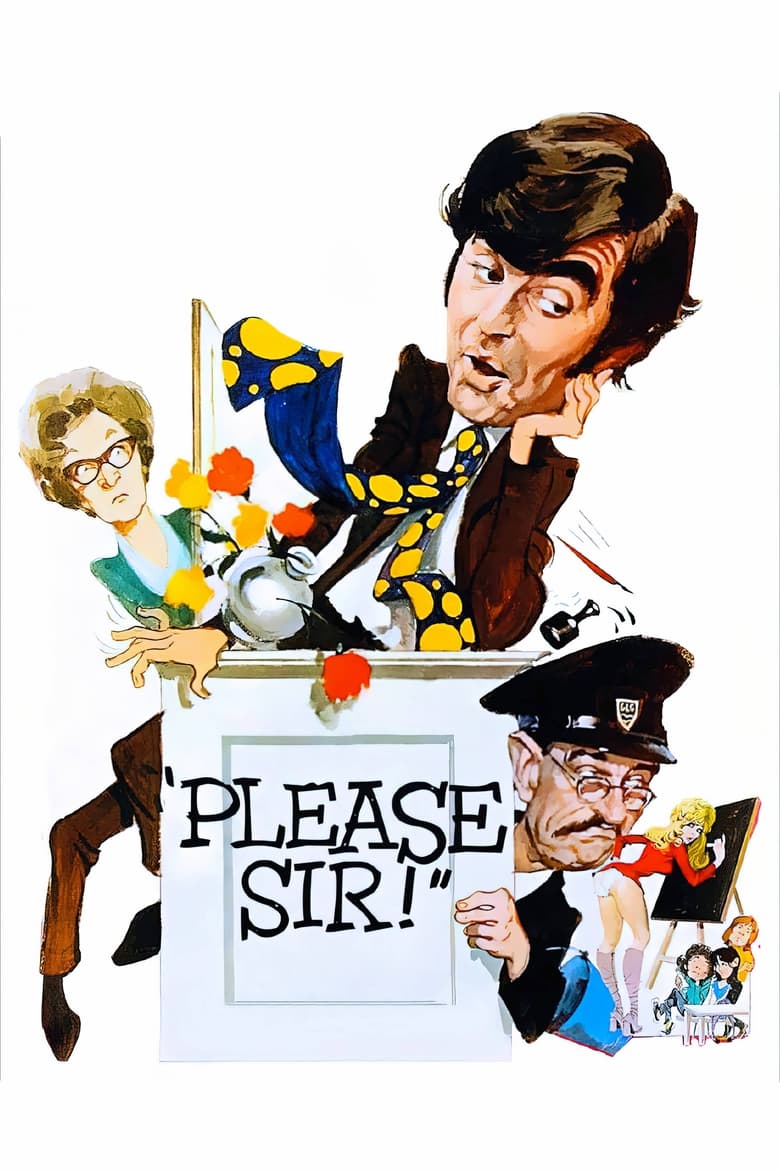
Mr. Hedges, the somewhat naive and idealistc teacher of the rebellious Class 5C, lobbies to have them allowed on the school camping trip despite much precedent to the contrary. Once on the camping trip Mr. Hedges pursues the local barmaid and the class indulge in their usual activities. A small feud with some stereotypical upper class children in red blazers is resolved with a false rape allegation. A case of some stolen money is resolved through Mr. Hedges trusting the class. At the final dance Mr. Hedges is ensnared in the romantic clutches of Miss Cutforth, contrary to his wishes.
Overall Score
Limited
Category Breakdown
LGBTQ+ Representation
The film lacks visible non-cisnormative identities. Romantic subplots involving Mr. Hedges and female characters adhere strictly to traditional heteronormative structures without queer agency.
Gender Representation
Mr. Hedges subverts masculine authority through his naive and idealistic nature. However, the film relies on conventional romantic tropes and established social scripts for its female characters.
Racial & Ethnic Diversity
The production reflects the demographic homogeneity of 1970s British comedies. The narrative focuses on class-based friction rather than racial intersectionality or diverse ensemble integration.
Religious & Cultural Diversity
The film explores the erosion of institutional respect and situational ethics. It prioritizes student agency and moral relativism over strict, punitive school discipline.
Disability Representation
There is no evidence of characters with visible or invisible disabilities. Characters are defined by social roles and temperament rather than physical or cognitive accessibility.
Strengths
Areas for Improvement
AI Analysis
Please Sir! functions primarily as a study of class-based social friction and the breakdown of traditional pedagogical hierarchies. The comedy is driven by the adversarial relationship between an idealistic teacher and his rebellious students. While the film offers a lighthearted challenge to institutional authority, it remains a product of its era. It lacks meaningful representation across most identity-based spectrums, focusing instead on localized social rebellion. The narrative's progressive elements are limited to its treatment of authority, favoring student autonomy over rigid discipline, yet it fails to address broader systemic or cultural hierarchies.
1967

1970
1968
1979

1985
2008
1976
1978
1979

1985
1977

1969
No reviews yet. Be the first to share your thoughts on this movie!
Use the rating form above to leave a star rating and optional review.