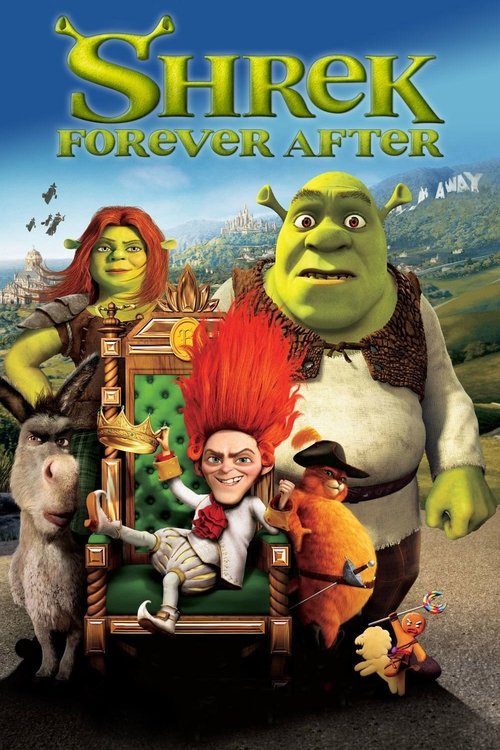
Shrek Forever After
2010
No user ratings available yet
Representation score: 7.2 out of 10
Representation Score
Fair
2007
PGDirector
Paul Bolger
Runtime
87 minutes
Average Rating
No ratings yetNew Showbiz Analysis
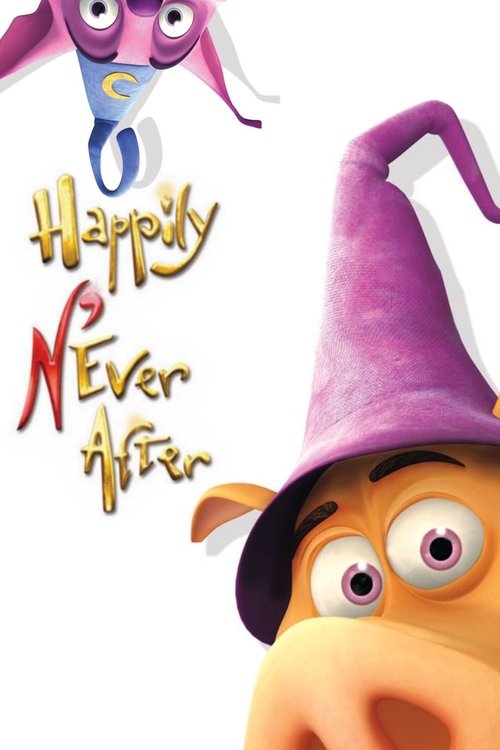
Happily N'Ever After redefines folklore by challenging traditional gender roles. It empowers Ella to take a leading role in the resistance, moving beyond passive stereotypes. However, the film maintains a traditional aesthetic, lacking intentional racial diversity and failing to broaden the scope of identity.
Category Breakdown
The film follows traditional structures that assume everyone is straight and cisgender. There are no characters with non-binary genders or same-sex relationships.
Ella challenges the damsel in distress stereotype by becoming a key figure in the resistance. The Fairy Godmother also embodies a powerful female role.
The film's visuals rely on traditional European archetypes. Characters are designed to fit a homogeneous, Eurocentric style without reflecting diverse ethnic backgrounds.
The story questions a single, definitive version of history, introducing moral relativism. However, it does not explicitly critique Western cultural norms.
The film does not depict any visible or invisible disabilities. Characters are defined by their mythological roles rather than through neurodivergence or physical disabilities.
Present on Screen
Limited or Absent
Official Synopsis
An alliance of evil-doers, led by Frieda, looks to take over Fairy Tale Land. But when Ella realizes her stepmother is out to ruin her storybook existence, she takes a dramatic turn and blossoms into the leader of the resistance effort.
2010
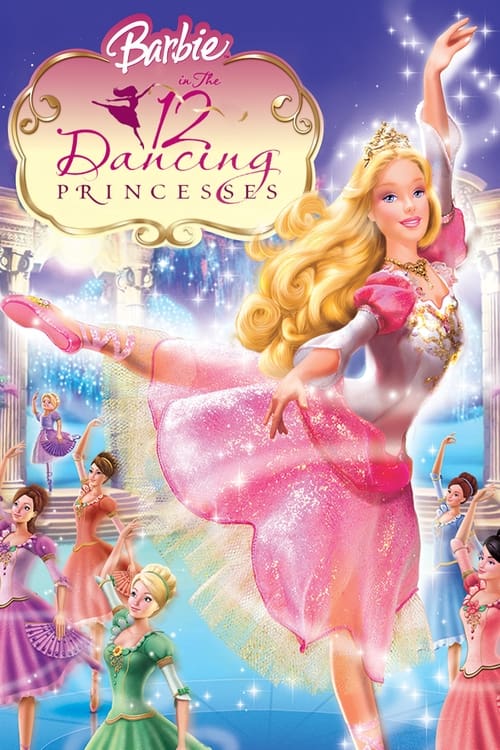
2006
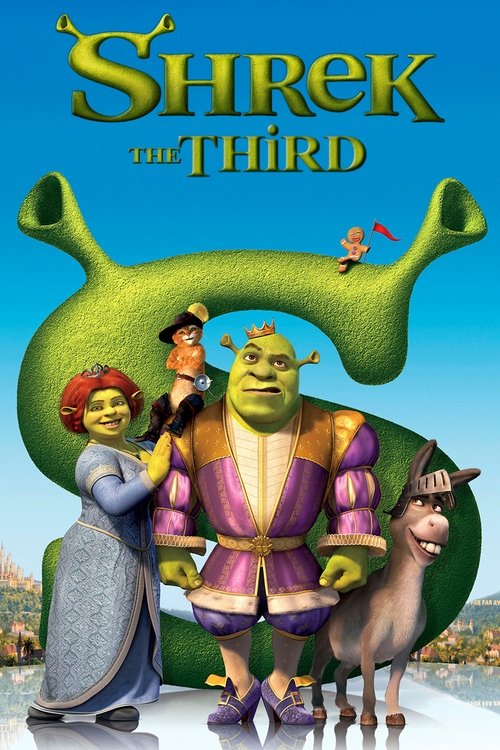
2007
2005
2012
2009
2004
2017
No reviews yet. Be the first to share your thoughts on this movie!
Use the rating form above to leave a star rating and optional review.