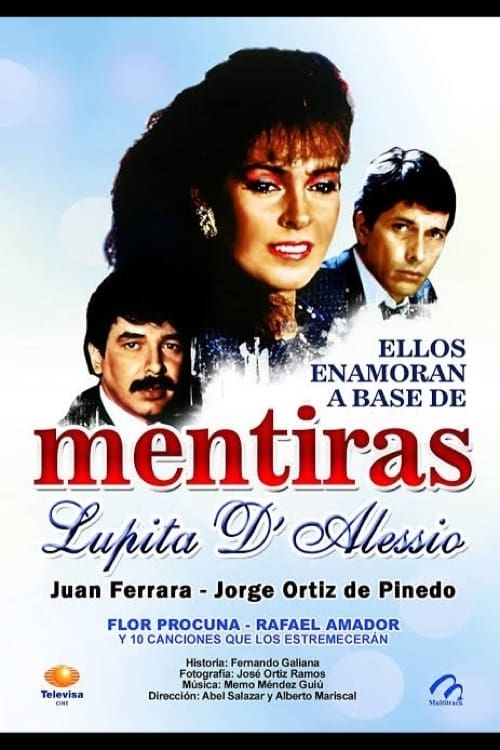
Mentiras
1986
No user ratings available yet
Representation score: 3.0 out of 10
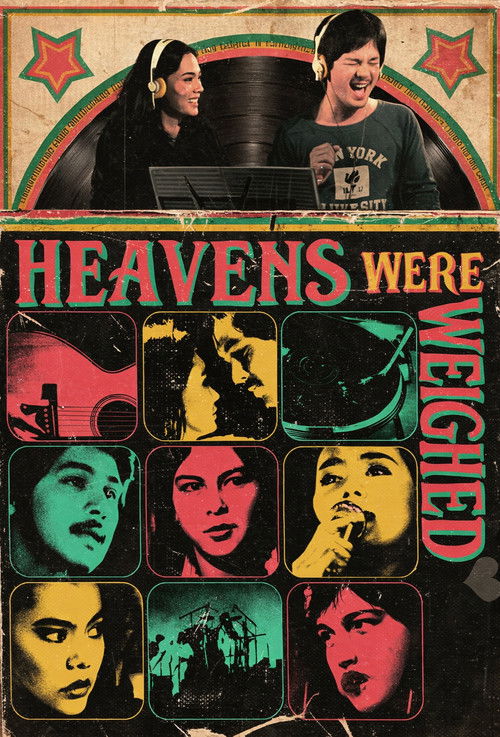
Representation Score
Fair
1982
TV-14Director
Danny L. Zialcita
Runtime
114 minutes
Average Rating
No ratings yetNew Showbiz Analysis
The film stands out for its character-driven exploration of gender and morality. Victoria’s choice to prioritize her singing career over traditional domesticity provides a refreshing portrayal of women's independence for its time. The story avoids simplistic moral lessons, offering a sophisticated look at how pride and deception influence human relationships. However, the film remains confined to the assumptions that everyone is straight or cisgender. The absence of LGBTQ+ representation and the lack of disability visibility limit its broader inclusivity. While it offers a culturally specific perspective, it does not delve into diverse multi-layered identities.
Category Breakdown
The film focuses on a traditional love triangle involving Victoria, Joel, and Sandra. It doesn't include explicit representations of non-binary or LGBTQ+ identities or intimate relationships.
Victoria challenges typical gender roles by prioritizing her professional goals over marriage. Sandra, meanwhile, embodies a more traditional role as an heiress, while both women navigate complex deceptions.
The story presents a localized, non-Western perspective grounded in Philippine cinema. It highlights local social dynamics and class distinctions within the music industry.
The narrative avoids simple moralizing, focusing instead on human fallibility and pride. It explores nuanced ethical dilemmas through characters driven by ambition and vanity.
The film does not depict characters dealing with physical, sensory, or neurodivergent disabilities.
Present on Screen
Limited or Absent
Official Synopsis
This is the story of the dramatic journey of Victoria, a struggling but talented singer whose search for a "career" leads her to an adventure that will change her life forever. She is introduced to a celebrated songwriter, Joel, who makes her his protege and who later falls madly in love with her. Torn between her booming career and Joel's proposal of love, Victoria turns her back on love and chooses a successful singing career. Joel, whose heart is broken, marries Sandra, the heiress of a recording company. The three characters are caught in a web of pride, deception, and lies.
1986

1972
1958

1964
1959

1989

1979
1995
No reviews yet. Be the first to share your thoughts on this movie!
Use the rating form above to leave a star rating and optional review.