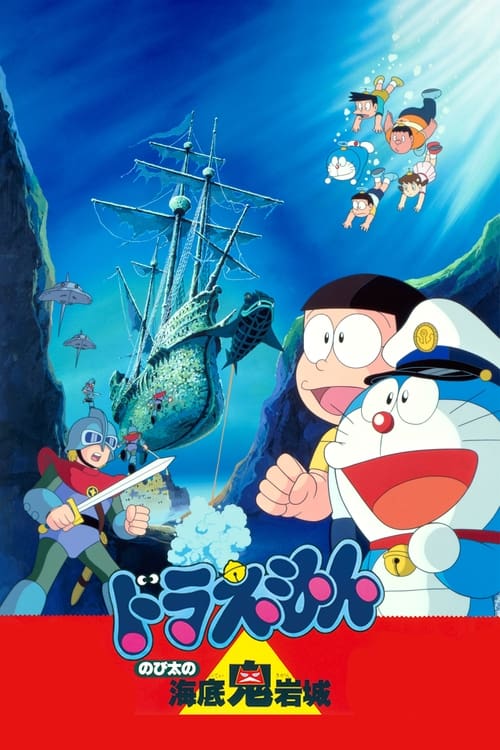
Doraemon: Nobita and the Castle of the Undersea Devil
1983
No user ratings available yet
Diversity score: 4.3 out of 10
1990
Director
Tsutomu Shibayama
Runtime
100 minutes
Average Rating
No ratings yetSynopsis
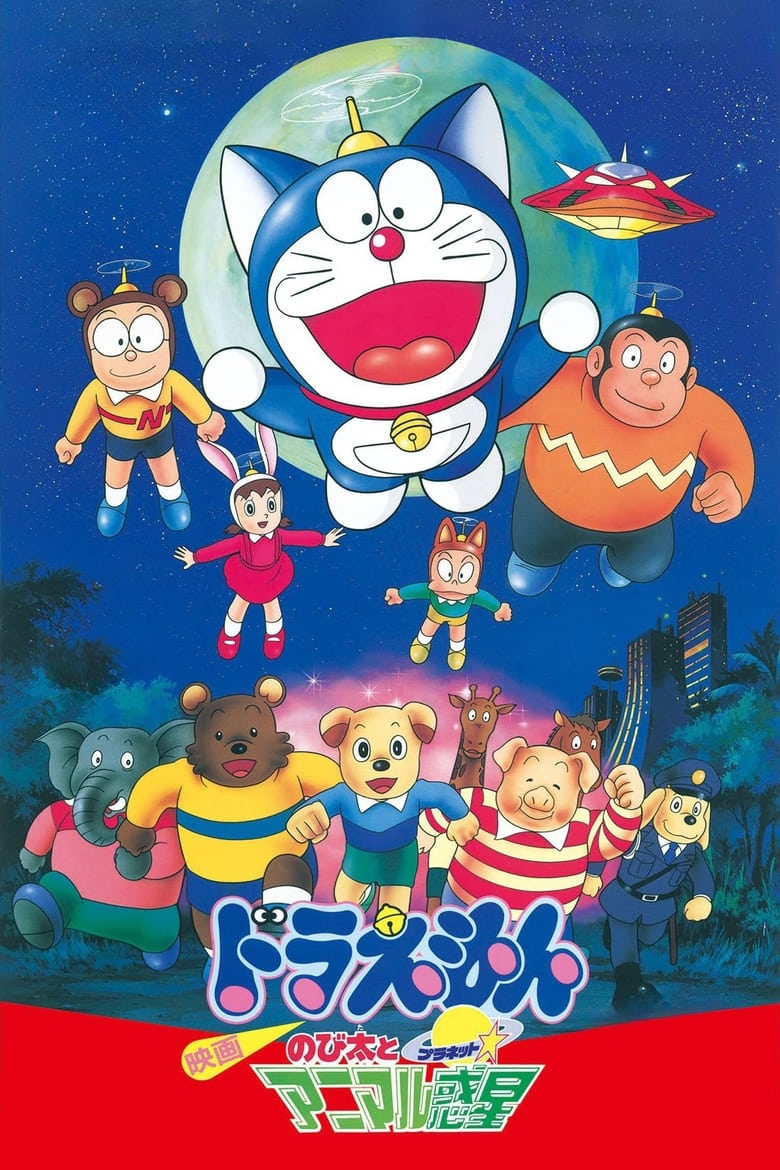
Nobita and his friends get transported to an animal planet after a mysterious pink fog appears inside his house. They work together with the natives to find the origin of the fog.
Overall Score
Fair
Category Breakdown
LGBTQ+ Representation
The film lacks LGBTQ+ characters or explorations of non-cisnormative identities. Character dynamics focus entirely on the established ensemble without depicting queer identities.
Gender Representation
Gender roles follow traditional 1990s archetypes. Shizuka provides empathy and caution, but the narrative structure maintains conventional masculine leadership roles for the male protagonists.
Racial & Ethnic Diversity
Anthropomorphic animal species serve as a sophisticated metaphor for marginalized indigenous populations. The story centers the agency of these inhabitants as they resist external exploitation.
Religious & Cultural Diversity
The narrative engages with post-colonial themes through an indigenous population resisting outside encroachment. It critiques resource extraction and unchecked expansionism to prioritize ecosystem preservation.
Disability Representation
There are no prominent depictions of physical or neurodivergent disabilities. No such traits serve as central character arcs or drive the primary narrative.
Strengths
Areas for Improvement
AI Analysis
Doraemon: Nobita and the Animal Planet is a genre-standard adventure that uses speculative fiction to tackle heavy sociopolitical themes. While the human cast adheres to traditional gender and social hierarchies, the film finds its depth through its metaphorical use of non-human characters. The film succeeds by framing its animal inhabitants as a proxy for indigenous groups facing systemic exploitation. This allows the story to critique colonialism and consumerist expansionism without relying on human-centric racial tropes. Ultimately, the film is a study in coexistence. It balances familiar character archetypes with a sophisticated critique of how dominant groups interact with marginalized ecosystems and populations.
1983
1997
1998

2000

1986
1992

2001

1987

2003

1993
1985
2002
No reviews yet. Be the first to share your thoughts on this movie!
Use the rating form above to leave a star rating and optional review.