
No Chains, No Masters
2024
No user ratings available yet
Representation score: 9.3 out of 10
Representation Score
Good
2000
Director
Guy Deslauriers
Runtime
78 minutes
Average Rating
No ratings yetNew Showbiz Analysis
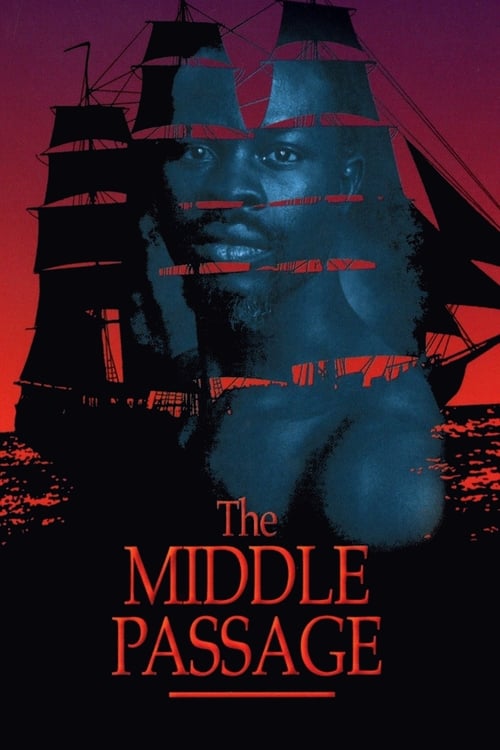
The film reimagines the historical epic of the Middle Passage by focusing on the lived experiences of the oppressed. Utilizing a deceased African spirit as the narrator, the film shifts the thematic core from colonizing forces to the victims of the slave trade. While the film excels in racial and cultural representation by challenging Western-centric storytelling, it lacks specific details regarding individual gender roles or LGBTQ+ identities. The focus is heavily systemic, which limits the depth of character-driven diversity in other categories. Ultimately, the film's strength lies in its ability to use a non-Western perspective to critique the economic and maritime systems of the era, transforming a historical tragedy into a haunting, spiritual meditation.
Category Breakdown
The film does not feature explicit LGBTQ+ characters or themes. The narrative focus remains strictly on the systemic horrors of the slave trade.
The film focuses on the collective experience of the enslaved, with no specific attention given to individual gender roles or dynamics.
By centering the narrative on a deceased African individual, the film shifts the perspective from colonizers to the oppressed, disrupting the traditional Western viewpoint.
The work uses a haunting, spiritual lens to critique Western institutions and historical capitalism, rejecting traditional progress narratives in favor of a moral critique.
The film highlights the loss of physical autonomy and bodily trauma through a spectral narrator, serving as a metaphor for the loss of control over one’s body.
Present on Screen
Limited or Absent
Official Synopsis
A realistic look at the horrors of the slave trade, told entirely through the voice of a dead African slave whose spirit haunts the ocean route.
2024

1971

1987
1997

1958
2009

1963

1991
No reviews yet. Be the first to share your thoughts on this movie!
Use the rating form above to leave a star rating and optional review.