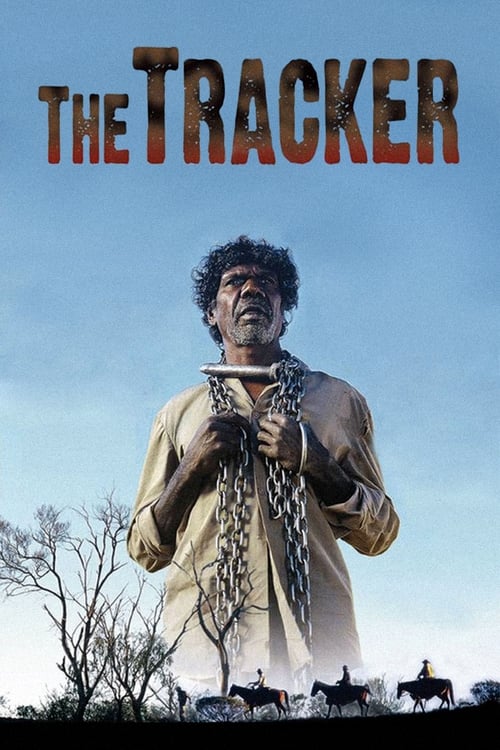
The Tracker
2002
No user ratings available yet
Diversity score: 6.5 out of 10

1958
NRDirector
John Berry
Runtime
104 minutes
Average Rating
No ratings yetSynopsis
A Dutch slave captain, on a voyage to Cuba, faces a revolt fomented by a newly captured African slave, Tamango. The slaves capture the captain's mistress, forcing a showdown.
Overall Score
Good
Category Breakdown
LGBTQ+ Representation
The film contains no identifiable LGBTQ+ characters or non-heteronormative narratives. Social dynamics remain strictly defined by rigid colonial and gendered structures.
Gender Representation
Women are central to the lived experience of the captives, though their agency is often constrained by the ship's violence. The captain's mistress serves as a high-stakes hostage, introducing traditional gendered vulnerability.
Racial & Ethnic Diversity
The film excels with a predominantly Black cast, placing African characters at the center of the dramatic arc. It prioritizes the perspectives of the oppressed, granting them agency to disrupt racial hierarchies.
Religious & Cultural Diversity
The narrative offers a profound critique of Western institutions and the moral decay of the colonial project. It frames the captives' rebellion as a legitimate response to systemic, dehumanizing oppression.
Disability Representation
There is no significant evidence regarding the portrayal of specific disabilities within the film's narrative or historical context.
Strengths
Areas for Improvement
AI Analysis
Tamango stands out as a historical drama that disrupts traditional cinematic hierarchies by centering the agency and resistance of the enslaved. Rather than focusing on the white captors, the film's architecture highlights the internal mobilization and revolt led by Tamango. The film functions as a sophisticated critique of the systemic violence inherent in the Atlantic slave trade. It frames the uprising not as chaos, but as a necessary reclamation of humanity against a dehumanizing economic engine. While the film lacks LGBTQ+ representation and gender-subversive elements, its high-agency racial representation and deconstruction of colonial power dynamics make it a notable example of progressive historical storytelling.
2002

1976
2013

1999
1960
1969

1963
2017

1967

1984
1979
2023
No reviews yet. Be the first to share your thoughts on this movie!
Use the rating form above to leave a star rating and optional review.