
Dragonard
1987
No user ratings available yet
Representation score: 5.7 out of 10
Representation Score
Excellent
2024
Director
Simon Moutaïrou
Runtime
97 minutes
Average Rating
No ratings yetNew Showbiz Analysis
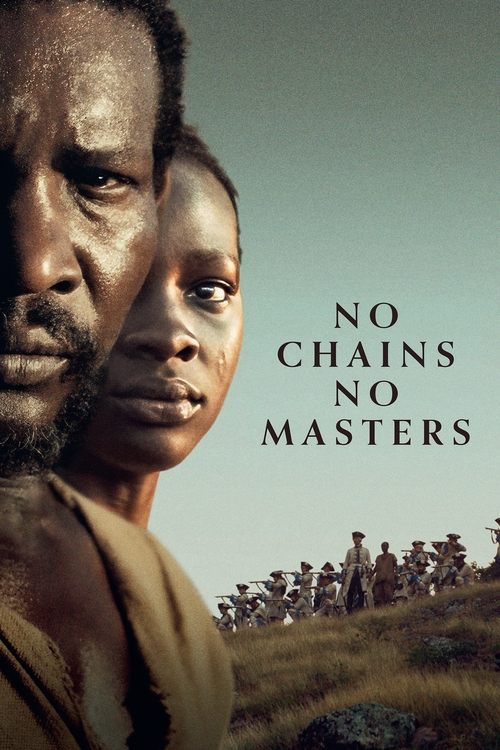
No Chains, No Masters serves as a work of historical revisionism that challenges traditional colonial perspectives. By centering the narrative on a young woman of color, the film disrupts the common cliché of the passive victim in historical dramas. The film's strength lies in its intentionality regarding ability to act. It shifts the focus away from the dominant French settler class to prioritize the voices and resistance of the enslaved population. While the film excels in racial and cultural representation, it lacks specific information regarding LGBTQ+ or disability-focused character arcs. This leaves certain dimensions of identity unaddressed in the current overview.
Category Breakdown
The film does not include any explicit mention of LGBTQ+ characters or themes. There are no visible non-straight relationships in the current synopsis.
Mati, a 16-year-old protagonist, drives the narrative who play a significant role in driving the story. She refuses to accept a submissive fate, challenging traditional expectations of passivity within an oppressive environment.
The story centers on the lived experiences of the deported population rather than the French settlers. This approach prioritizes non-Anglo-Saxon perspectives within a historically Eurocentric setting.
The narrative critiques Western colonial institutions by framing the French administration as an oppressive force. It focuses on resistance against established capitalist and colonial hierarchies.
There is no specific evidence regarding the portrayal of neurodivergence or physical disabilities. While plantation labor is a central setting, no specific disability arcs are mentioned.
Present on Screen
Limited or Absent
Official Synopsis
1759, Mauritius Island, Indian Ocean. The island is controlled by French settlers and the deported slave population live in fear while toiling in the sugar cane plantations. Unlike her disillusioned father Massamba, 16-year-old Mati refuses to keep her head down and accept her fate.
1987

1914

2013

2010

2013
1969

1963
2002
No reviews yet. Be the first to share your thoughts on this movie!
Use the rating form above to leave a star rating and optional review.