Follow That Goblin
1992
No user ratings available yet
Representation score: 5.7 out of 10
Representation Score
Minimal
1999
Director
Aaron Blaise
Runtime
6 minutes
Average Rating
No ratings yetNew Showbiz Analysis
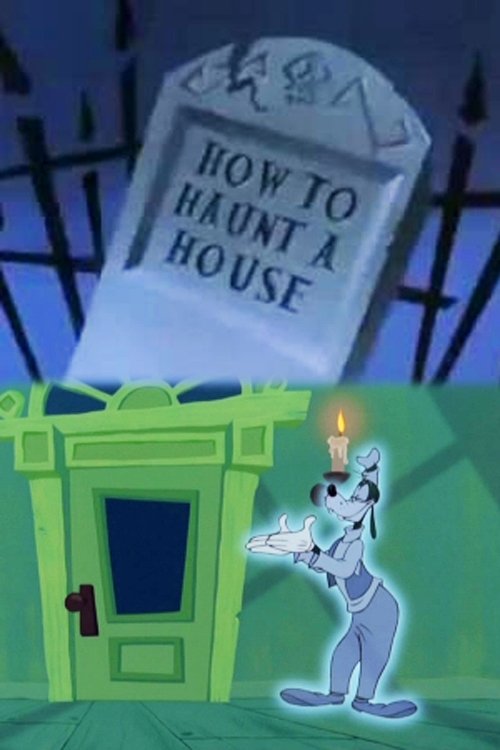
How to Haunt a House is a traditional comedic short that prioritizes physical humor and established character dynamics. The plot centers on a metaphysical demonstration involving Goofy and Donald Duck, leaning heavily into slapstick clichés. The film lacks engagement with identity politics or systemic critiques, maintaining a conventional storytelling approach typical of late-90s family animation, focusing on character-driven gags rather than social exploration. Because the narrative relies on anthropomorphic animals and legacy characters, it avoids complex social hierarchies or diverse human experiences in favor of safe, familiar entertainment.
Category Breakdown
The film focuses on slapstick comedy between legacy characters. There is no presence of non-straight relationships or same-sex intimacy.
The narrative features characters coded within masculine archetypes. It relies on classic clichés rather than exploring gendered power dynamics.
The story uses anthropomorphic animals for character-driven comedy. It lacks an intentional exploration of racial or ethnic diversity.
The work adheres to traditional comedic structures. It functions within the established parameters of conventional family-oriented entertainment.
There is no indication of characters possessing visible or invisible disabilities. Neurodivergent representation is absent from the narrative.
Present on Screen
Limited or Absent
Official Synopsis
In order to demonstrate how to haunt a house, the narrator arranges for Goofy to temporarily be "not living" and selects Donald Duck to be the one whom Goofy's ghost will haunt.
1992
1995
1954
2017
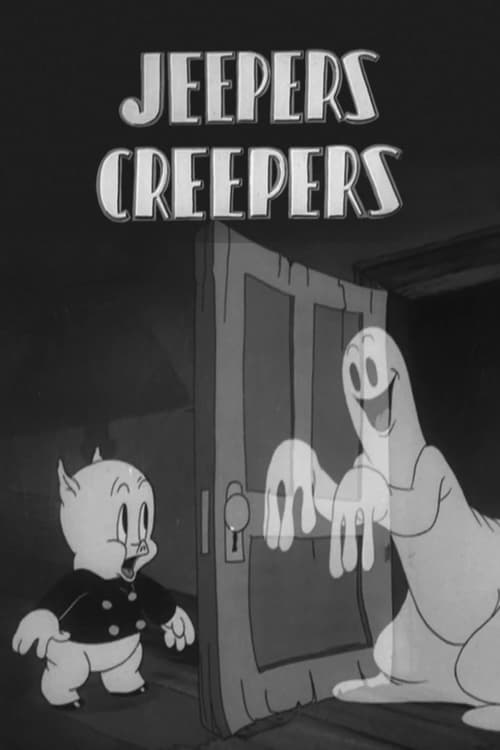
1939

2000
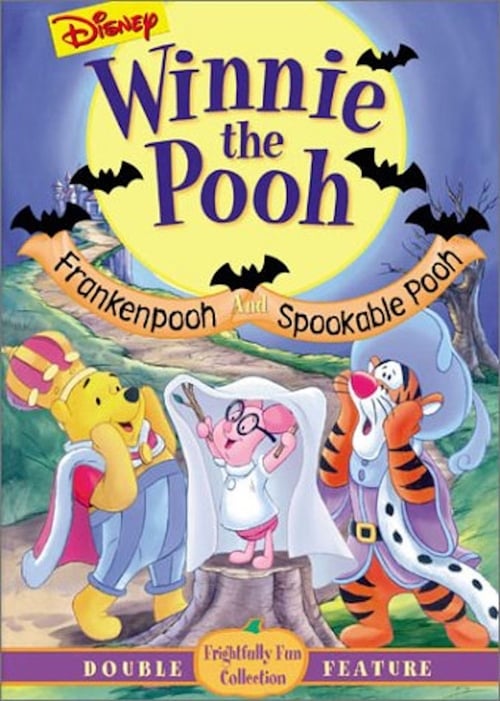
2002

2008
No reviews yet. Be the first to share your thoughts on this movie!
Use the rating form above to leave a star rating and optional review.