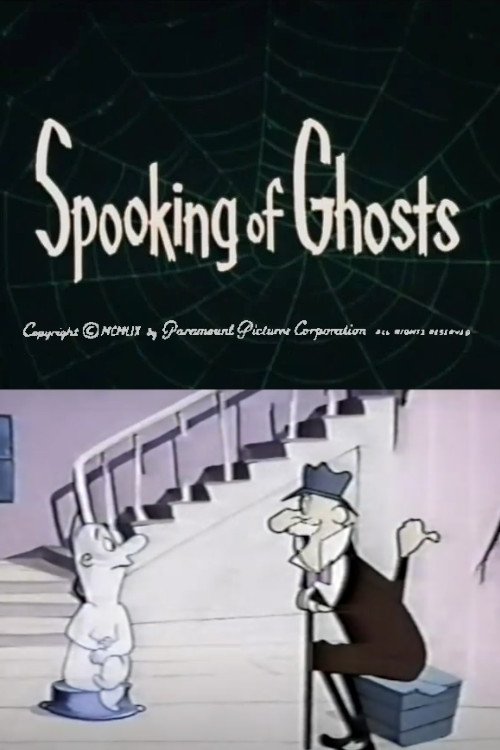
Spooking of Ghosts
1959
No user ratings available yet
Representation score: 1.1 out of 10
No Poster Available
Representation Score
Minimal
1946
ApprovedDirector
Connie Rasinski
Runtime
7 minutes
Average Rating
No ratings yetNew Showbiz Analysis
Fortune Hunters is a product of its time, functioning as a standard mid-century animated short. It adheres strictly to the social and narrative norms of 1946, offering little in the way of complexity or critique. The film relies on established clichés of inheritance and haunting, which reinforce traditional Western hierarchies of class and property. It lacks any meaningful deviation from the era's conventional social structures. Ultimately, the work provides a narrow view of the world, mirroring the homogeneous industry standards of the mid-1940s without attempting to challenge or expand upon them.
Category Breakdown
The film does not depict any LGBTQ+ identities or same-sex relationships. It follows traditional structures that assume everyone is straight and cisgender.
The story focuses on Gandy Goose and inheritance issues. It does not show women in powerful roles or challenge traditional male leadership.
The production reflects the homogeneous casting standards of the 1940s. There is no indication of actors from diverse racial backgrounds.
The plot centers on a wealthy estate, reinforcing Western concepts of property and lineage. Themes lean toward conventional morality without challenging social institutions.
There is no evidence of characters with visible or invisible disabilities. The narrative focuses on supernatural haunting clichés rather than addressing neurodivergent or physical conditions.
Present on Screen
Limited or Absent
Official Synopsis
Gandy Goose inherits a wealthy estate, which turns out to be haunted.
1959
1940
1957
1939
1949
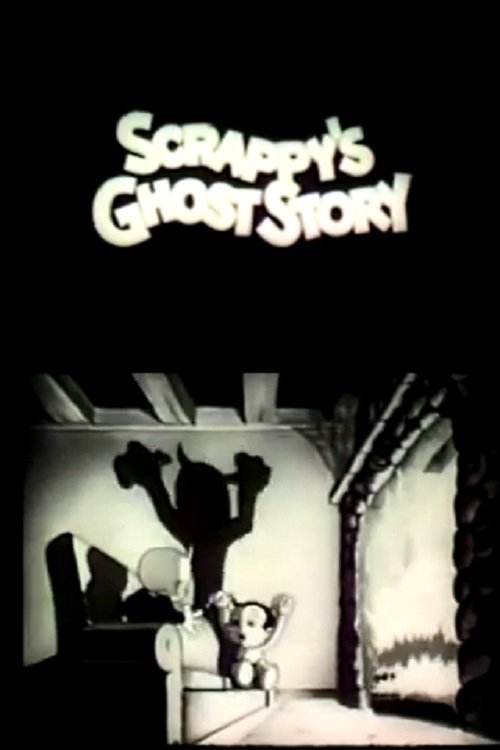
1935
1945

1931
No reviews yet. Be the first to share your thoughts on this movie!
Use the rating form above to leave a star rating and optional review.