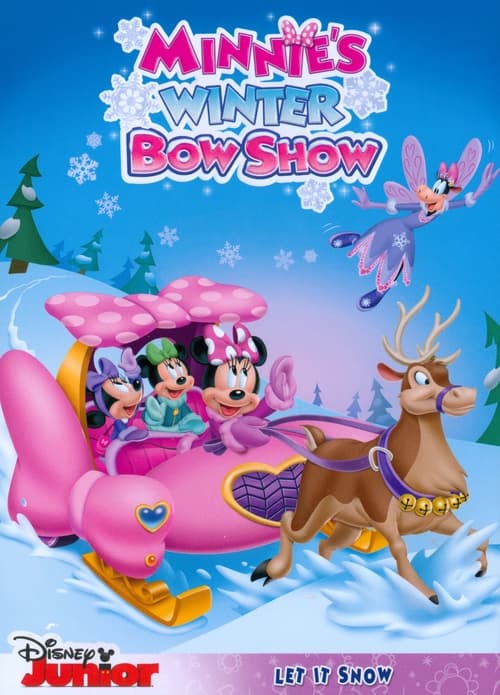
Mickey Mouse Clubhouse: Minnie's Winter Bow Show
2014
No user ratings available yet
Diversity score: 2.2 out of 10
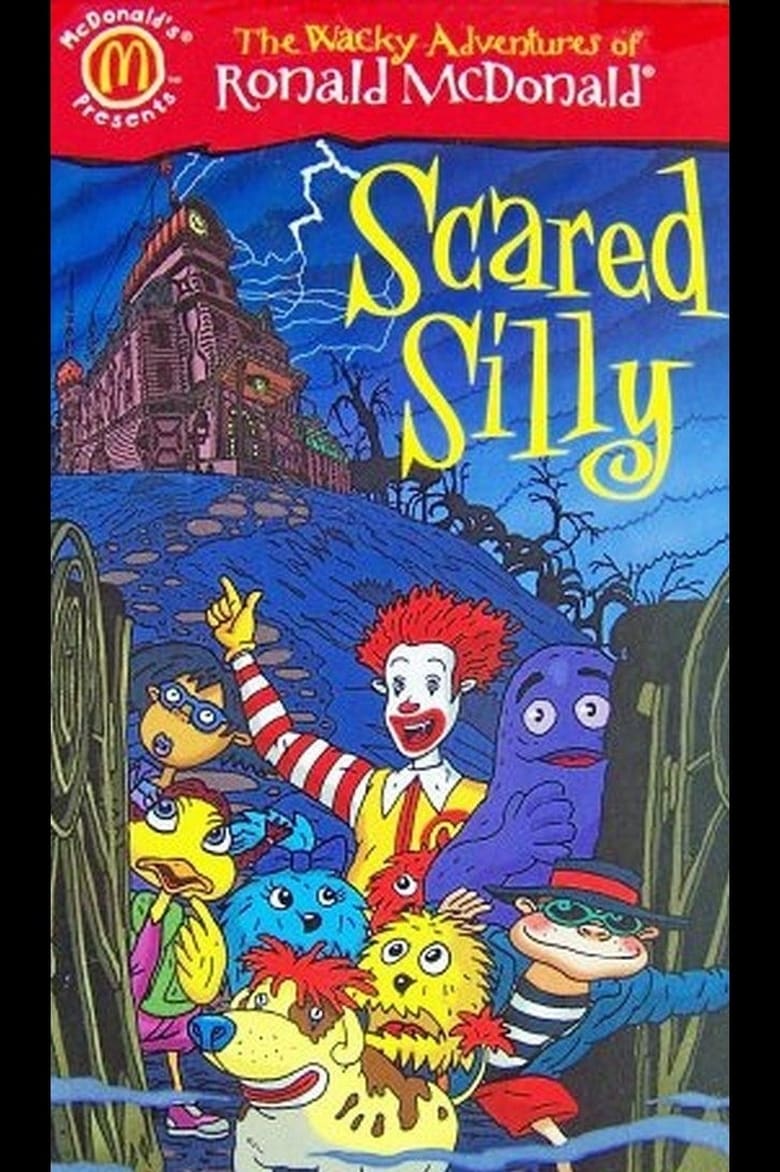
1998
NRDirector
John Holmquist
Runtime
40 minutes
Average Rating
No ratings yetSynopsis
Ronald and his friends going on a camping trip in the Far-Flung Forest where Ronald discovers an old house which he assumes is haunted by a ghost called the Far-Flung Phantom. The campers are forced to stay in the old house due to the stormy weather where a holographic head named Franklin leads them through a challenging game which will eventually help them to escape.
Overall Score
Minimal
Category Breakdown
LGBTQ+ Representation
The film lacks any discernible LGBTQ+ characters or explorations of non-heteronormative identities. Character dynamics center on traditional mascot archetypes without queer-coded subtext.
Gender Representation
Characters like Birdie provide a female presence, but the film follows conventional gendered expectations. The narrative does not actively seek to subvert gender hierarchies or portray masculinity in a farcical manner.
Racial & Ethnic Diversity
The setting of McDonaldland functions as a homogeneous fantasy space. There is no evidence of racial blending or the use of diverse species as metaphors for ethnic identity.
Religious & Cultural Diversity
The story adheres to traditional Western commercial values and reinforces conventional morality. It lacks any anti-capitalist sentiment or critiques of traditional institutions.
Disability Representation
Characters function within a stylized, able-bodied framework typical of mascot-driven animation. There is no portrayal of neurodivergence or physical disability with agency.
Strengths
Areas for Improvement
AI Analysis
This production serves as a standard piece of commercial animation designed for brand preservation. It prioritizes children's entertainment and mascot consistency over progressive narrative depth or social commentary. The film relies heavily on established archetypes that do not challenge traditional social, gender, or racial hierarchies. The world-building is homogeneous, focusing on a whimsical fantasy setting rather than intersectional representation. Ultimately, the work functions as a conservative entertainment product. It lacks engagement with diverse identities or systemic critiques, maintaining a baseline of traditional Western values.
2014
1984
2011
2006
1999
1959
2006
1995
1998
2011
2013

2005
No reviews yet. Be the first to share your thoughts on this movie!
Use the rating form above to leave a star rating and optional review.