
A House in the Quarter
1963
No user ratings available yet
Representation score: 4.6 out of 10
Representation Score
Limited
1958
Director
Tomotaka Tasaka
Runtime
209 minutes
Average Rating
No ratings yetNew Showbiz Analysis
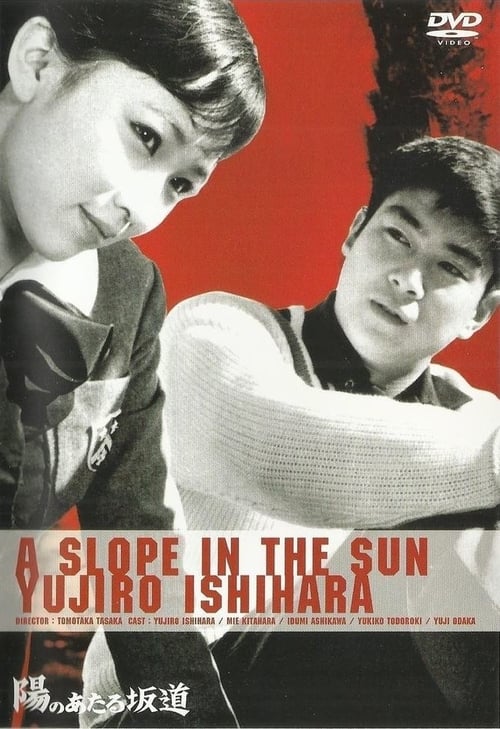
A Slope in the Sun is a nuanced study of a society in flux, focusing on the friction between established hierarchies and burgeoning modernity. While it lacks modern demographic diversity, it excels in its cultural and gender-based depth. The film's strength lies in its ability to challenge the permanence of traditional social structures. It uses the post-war period to explore complex themes of identity and moral ambiguity. Ultimately, the film provides a sophisticated look at a nation navigating its post-occupation identity, even if it remains limited by the social norms of its time.
Category Breakdown
The film adheres to the assumption that everyone is straight or cisgender, reflecting the social expectations of 1950s Japan. There is no depiction of non-binary gender identities or same-sex relationships within the narrative.
The story centers on the female experience through Takako’s journey as a tutor. It explores her personal autonomy and intellect against the rigid expectations of the Tashiro family.
The cast is predominantly homogeneous, reflecting the era's demographic reality. However, the film explores Japanese identity through the lens of historical colonization and the influence of American occupation.
The narrative deconstructs traditional family units by framing the clash between Japanese values and Westernized modernity. It offers a sophisticated critique of cultural dominance and shifting moral ethics.
There are no prominent depictions of visible or invisible disabilities that serve as central character traits or drive the narrative forward.
Present on Screen
Limited or Absent
Official Synopsis
The young Takako Kuramoto has come to Tokyo to study and starts working for the rich Tashiro family as tutor of the daughter, Kumiko, while she receives attention from her two older brothers, Yukichi and Shinji. Meanwhile, the exact parentage of Shinji comes to light.
1963

1939
1966

1998
1983
1989
1982
2016
No reviews yet. Be the first to share your thoughts on this movie!
Use the rating form above to leave a star rating and optional review.