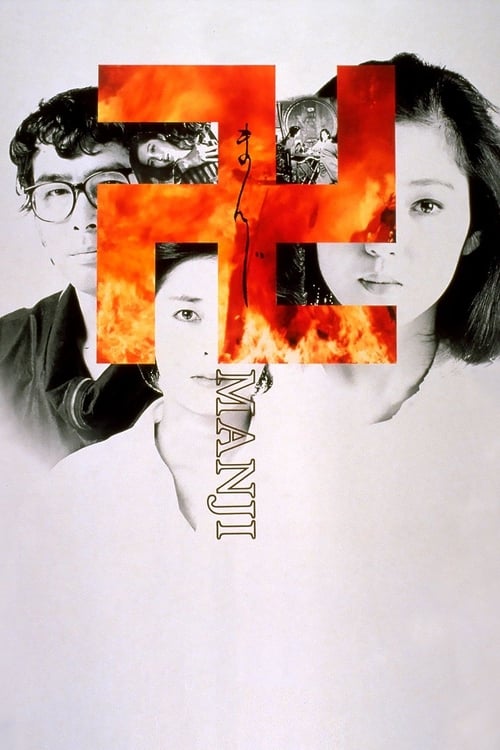
Manji
1983
No user ratings available yet
Representation score: 3.5 out of 10
Representation Score
Fair
1989
Director
Ryuichi Takamori
Runtime
109 minutes
Average Rating
No ratings yetNew Showbiz Analysis
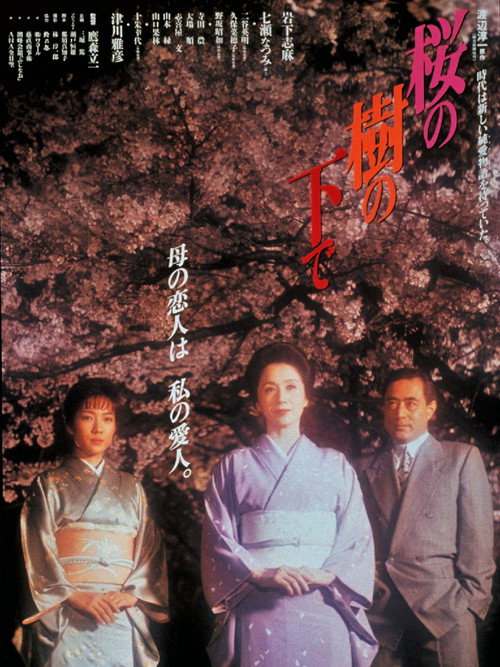
Cherry Blossoms centers its drama on the intricate, potentially disruptive relationships between women. By focusing on a maternal love triangle, the film avoids traditional patriarchal storytelling in favor of domestic tension and emotional nuance. However, the film lacks explicit markers of identity politics and does not provide clear evidence of queer identity or characters who reflect more than one aspect of diversity. Ultimately, the work functions as a culturally specific Japanese drama that prioritizes complex human emotions over systemic social commentary.
Category Breakdown
The film features a complex love triangle involving a mother and daughter, hinting at non-traditional relationships but without confirming specific gender identities.
The story focuses on female-driven interpersonal dynamics and domestic power struggles, moving away from patriarchal narratives to explore the tensions and ability to act of women.
As a Japanese production, the film provides a culturally specific perspective with a homogeneous ethnic cast reflecting its regional origins.
The narrative emphasizes emotional complexity and subjective truths, exploring the destabilizing impact of domestic loyalty and desire rather than strict institutional ethics.
There is no evidence of characters with visible or invisible disabilities within the narrative.
Present on Screen
Limited or Absent
Official Synopsis
A story about love triangle between mother and daughter relation...
1983

1998
1968
1993
1980
1982
1983
2018
No reviews yet. Be the first to share your thoughts on this movie!
Use the rating form above to leave a star rating and optional review.