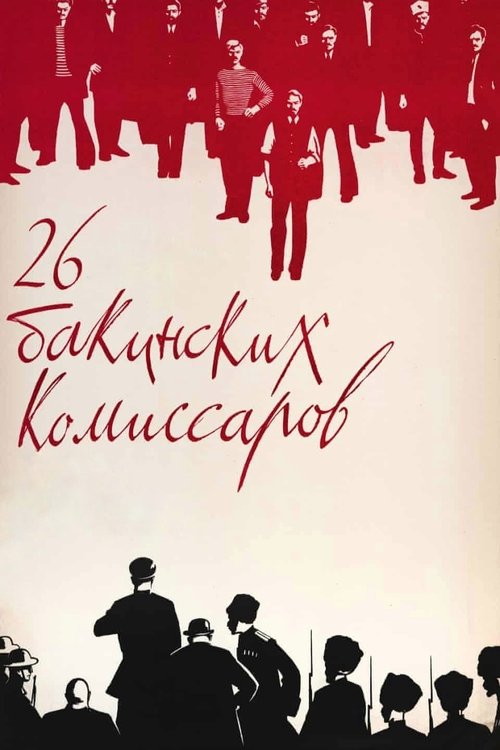
The Twenty Six Comissars
1966
No user ratings available yet
Representation score: 5.9 out of 10
Representation Score
Fair
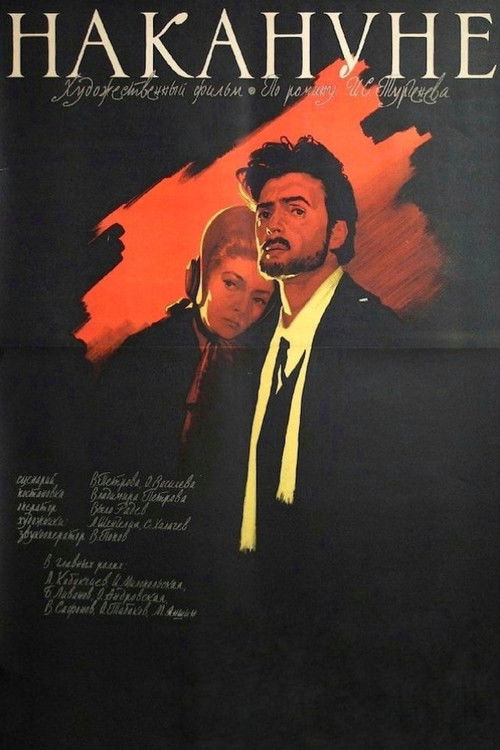
1959
Director
Vladimir Petrov
Runtime
88 minutes
Average Rating
No ratings yetNew Showbiz Analysis
On the Eve shifts the historical focus away from Western narratives by centering the Bulgarian struggle for independence. This provides a fresh perspective on revolutionary ability to act and systemic change. While Elena is a strong female lead, the romantic storyline remains traditional. The absence of LGBTQ+ representation reflects the era's typical narrative structures. The film's strength lies in its critique of imperialism, presenting a narrative of political and personal transformation.
Category Breakdown
The film focuses on a heterosexual relationship between Elena and Inzarov. There are no representations of LGBTQ+ identities or subtexts.
Elena is a central character who plays a significant role in driving the story. Her actions, such as transporting Inzarov’s body, challenge the typical submissive female roles of the time.
The story centers on the Bulgarian liberation movement, offering a non-Western perspective on political struggle and historical ability to act.
The narrative critiques imperialist institutions by focusing on national liberation. It highlights collective sacrifice and the disruption of established social orders.
There are no depictions of physical or neurodivergent disabilities in the story.
Present on Screen
Limited or Absent
Official Synopsis
The story is set in the 1800s.Elena and Inzarov,a revolutionary Bulgarian ,fall in love.After secretly marrying they decide to join the liberation, but on the eve of departure Dmitry dies. Elena takes Inzarov's body to the Balkans .
1966

2008
1980

1970
1959

2004

1981

1955
No reviews yet. Be the first to share your thoughts on this movie!
Use the rating form above to leave a star rating and optional review.