The Long Ships
1964
No user ratings available yet
Diversity score: 2.9 out of 10
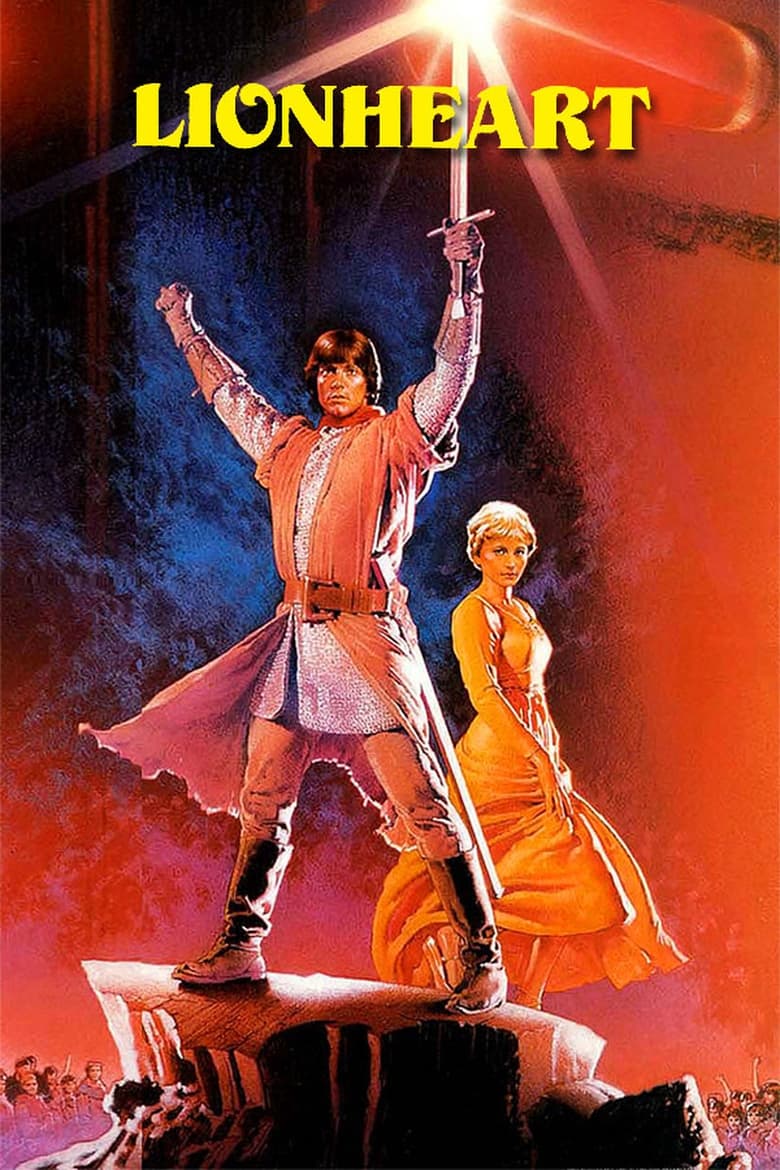
1987
PGDirector
Franklin J. Schaffner
Runtime
104 minutes
Average Rating
No ratings yetSynopsis
A young knight sets out to join King Richards crusaders. Along the way, he encounters The Black Prince who captures children and sells them as slaves to the Muslims. It is Robert Narra's sworn duty to protect the children and lead them to safety.
Overall Score
Minimal
Category Breakdown
LGBTQ+ Representation
The film adheres to traditional heteronormative structures typical of the adventure genre. There is no evidence of non-cisnormative gender identities or narratives that critique heteronormativity.
Gender Representation
The story operates within a patriarchal framework driven by male protagonists. It reinforces conventional masculine roles of the warrior and protector while lacking female agency.
Racial & Ethnic Diversity
Representation functions through traditional historical conflict tropes involving Crusaders and Muslim populations. The film leans toward era-appropriate depictions of 'the other' rather than nuanced characterization.
Religious & Cultural Diversity
The narrative is rooted in Western historical tropes regarding the Crusades. It follows conventional heroic archetypes and traditional notions of duty and honor.
Disability Representation
There is no discernible focus on neurodivergence, physical disabilities, or mental health. No characters are identified as possessing disabilities that drive the narrative.
Strengths
Areas for Improvement
AI Analysis
Lionheart is a conventional adventure piece that relies heavily on classical cinematic structures. The narrative focuses on a knight's journey and the protection of children, reinforcing traditional masculine archetypes and historical tropes of the Crusades era. The film lacks intentionality in disrupting historical hierarchies or integrating modern intersectional frameworks. It functions as a standard genre piece that prioritizes established storytelling norms over diverse or subversive characterizations. Ultimately, the production adheres to the patriarchal and Western-centric perspectives common to 1980s historical dramas, offering little representation for marginalized identities or non-traditional social structures.
1964

1979

1924

1969
2001
1987
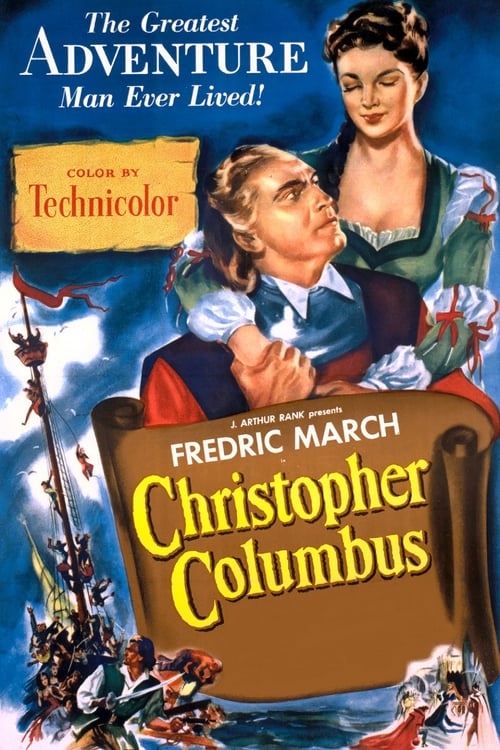
1949
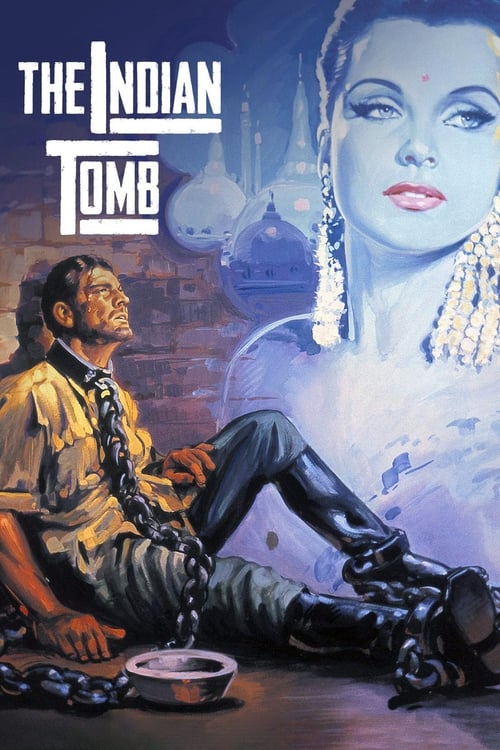
1959
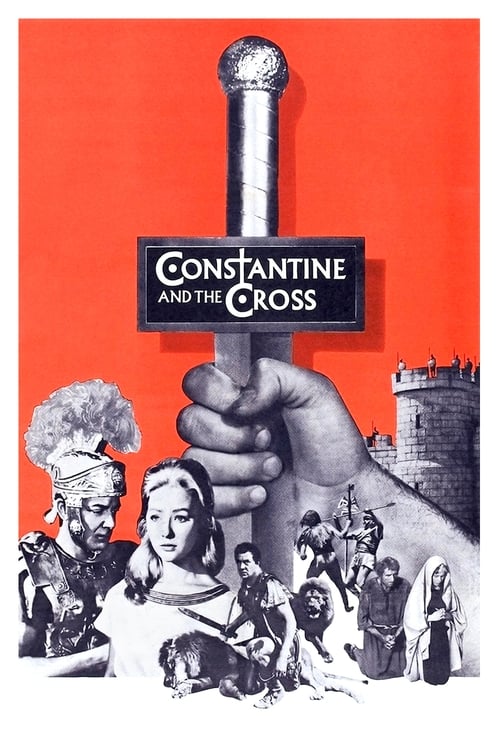
1961
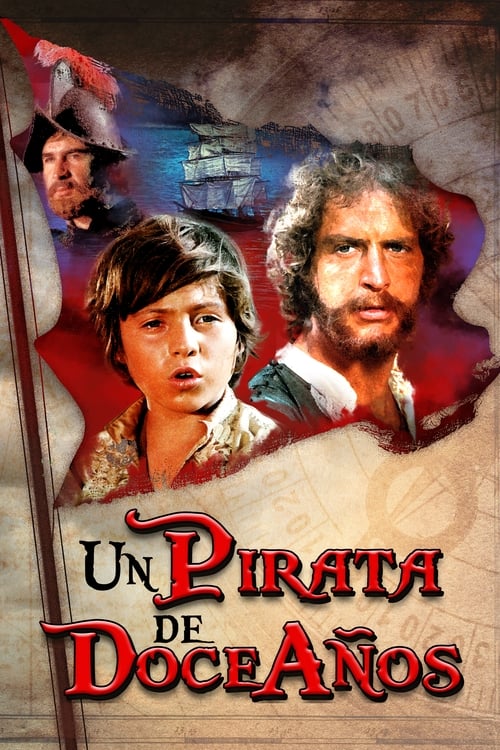
1972

1988
1955
No reviews yet. Be the first to share your thoughts on this movie!
Use the rating form above to leave a star rating and optional review.