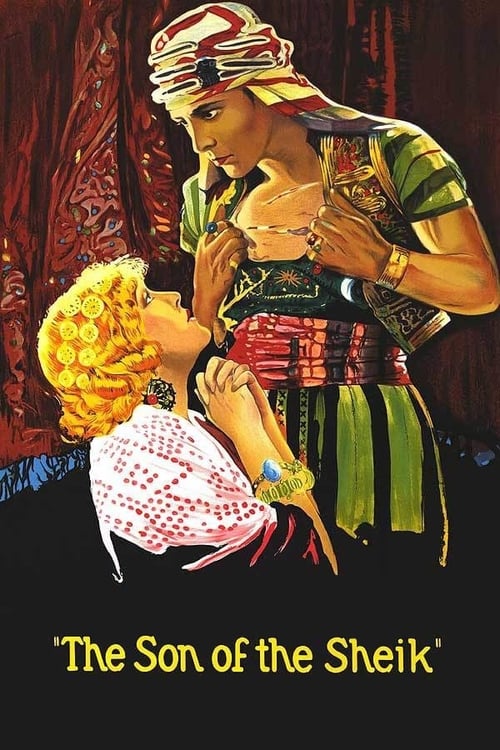
The Son of the Sheik
1926
No user ratings available yet
Representation score: 0.4 out of 10

Representation Score
Limited
1924
PassedDirector
Edwin Carewe
Runtime
80 minutes
Average Rating
No ratings yetNew Showbiz Analysis
A Son of the Sahara stands as a significant departure from 1920s cinematic norms. By featuring an all-Black cast in a sweeping adventure drama, director Edwin Carewe challenged the era's tendency towards white-centric casting in exotic settings. The film offers rare visibility for Black actors in complex, heroic roles. While the narrative structure allows for racial empowerment, it remains tied to the traditional gender and social hierarchies of its time. Ultimately, the film's progressive value lies in its innovative casting and exploration of complex social navigation, even as it adheres to conventional period resolutions.
Category Breakdown
The film follows a traditional romantic storyline between Raoul and Barbara, focusing on heterosexual relationships. There are no characters with non-straight or non-cisgender identities.
Barbara serves as a catalyst for the male lead's journey, showing emotional strength through her actions. However, the story ultimately resolves through a traditional romantic reconciliation.
The production breaks from 1920s norms by featuring an all-Black cast in a North African setting, providing significant visibility for Black actors in lead roles.
The story delves into the tension between Europeanized identity and indigenous roots. Despite exploring these themes, the resolution upholds established social hierarchies rather than challenging them.
The film does not depict any characters with physical or neurodivergent disabilities.
Present on Screen
Limited or Absent
Official Synopsis
As a boy, Raoul is reared by an Arab tribe in Algerian Sahara. Years later, as a refined Europeanized gentleman, he falls in love with Barbara, an officer's daughter, who rejects him when she discovers his background. Affecting a raid, he captures her and then secretly buys her at a slave auction. When she is rescued by French troops, however, his ancestry is established and they find happiness together.
1926
1925
1921
1959
1937
1914
1955

1931
No reviews yet. Be the first to share your thoughts on this movie!
Use the rating form above to leave a star rating and optional review.