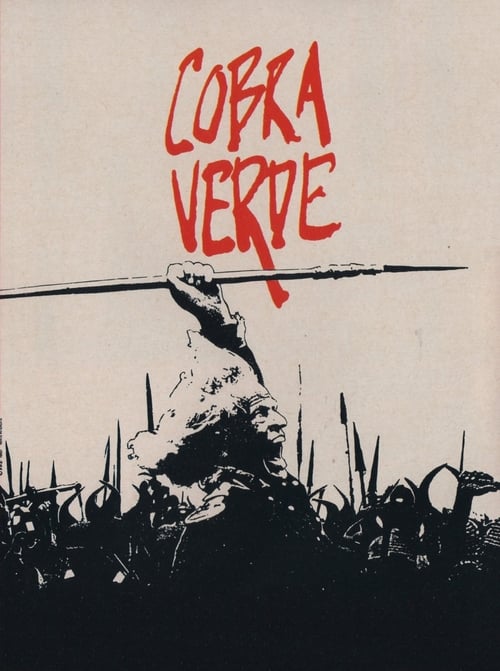
Cobra Verde
1987
No user ratings available yet
Representation score: 4.8 out of 10

Representation Score
Limited
1969
GDirector
Irving Lerner
Runtime
121 minutes
Average Rating
No ratings yetNew Showbiz Analysis
The film stands out for its deconstruction of colonial narratives, moving away from the celebratory conquest clichés common in 1960s adventure cinema. By centering the destruction of an indigenous social order, it offers a sophisticated critique of systemic oppression and Western hegemony. However, the film is heavily constrained by the period's social realities. The lack of women's ability to drive the story and the absence of queer representation reflect the rigid, male-dominated hierarchies of the 16th-century setting. Ultimately, the film's strength lies in its moral complexity. It uses the tension between Pizarro and Atahualpa to explore the conflict between individual honor and the extractive, violent nature of colonial institutions.
Category Breakdown
The film focuses solely on the geopolitical and religious tensions between the Spanish and the Inca. There is no presence of queer identities or subtext within this historical context.
The narrative is dominated by male-led military and political structures. Women appear in the Inca and Spanish courts but are confined to secondary, domestic roles without significant influence.
The film employs a significant indigenous Peruvian cast, enhancing visual authenticity. It portrays the Inca as a sophisticated civilization rather than a monolithic 'other,' challenging mid-century casting norms.
The story critiques Western imperialism by depicting the conquest as a collision driven by greed and fanaticism. It portrays the Catholic Church and gold-seeking as corrupting systemic forces.
There are no prominent depictions of physical or neurodivergent disabilities that serve as central drivers in the narrative.
Present on Screen
Limited or Absent
Official Synopsis
The Spanish explorer Pizarro captures the Inca god-chief Atahualpa and promises to free him upon the delivery of a hoard of gold. But Pizarro finds himself torn between his desire for conquest and his sense of honor after friendship and respect develops between captive and captor.
1987
1991

1975
1959
1964
1970
1951

1979
No reviews yet. Be the first to share your thoughts on this movie!
Use the rating form above to leave a star rating and optional review.