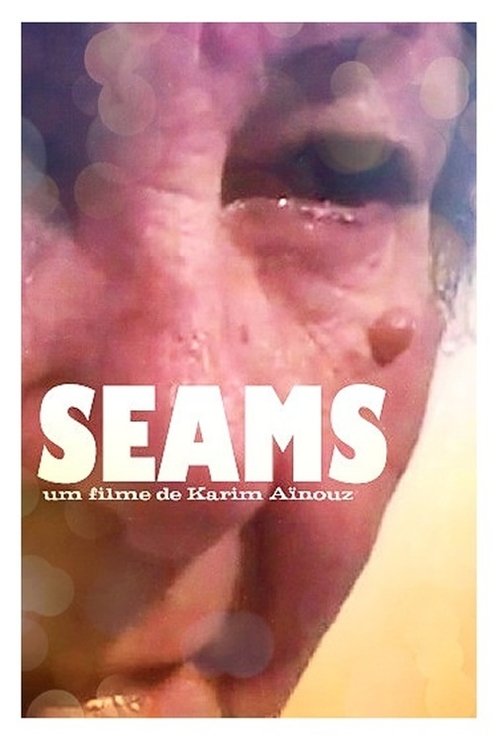
Seams
1993
No user ratings available yet
Representation score: 6.3 out of 10

Representation Score
Good
1983
Director
Valeria Sarmiento
Runtime
66 minutes
Average Rating
No ratings yetNew Showbiz Analysis
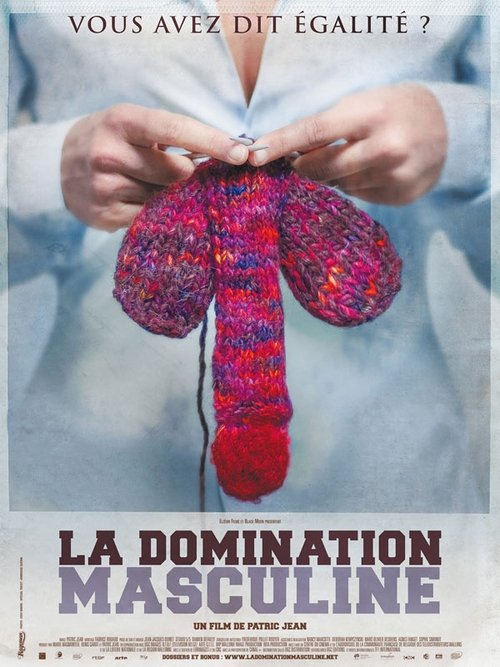
Valeria Sarmiento’s documentary serves as a progressive sociological tool, specifically designed to deconstruct the patriarchal structures of Latin America. By centering the narrative on the systemic nature of machismo, the film disrupts conventional expectations of gendered authority and social hierarchy. While the film excels in its critique of gendered dominance, it lacks specific evidence regarding LGBTQ+ identities or disability representation. The focus remains primarily on the binary struggle of gendered power and the cultural traditions of Costa Rica. Ultimately, the film is a significant work of intentionality. It prioritizes the deconstruction of traditional authority, offering a vital non-Western perspective on how social climates nurture systemic oppression.
Category Breakdown
The film focuses on the sociological study of machismo and gendered power dynamics. There are no specific LGBTQ+ characters or narratives involving non-cisgender identities.
The documentary explicitly critiques traditional gender hierarchies and the domination of women. It challenges masculine leadership by framing it as a systemic social issue rather than a natural order.
The film provides a localized, non-Western perspective centered in Costa Rica and Latin America. The analytical focus remains on social class and gendered power rather than a diverse mix of racial identities.
The work analyzes traditional Latin social institutions, such as the family, as sites of systemic oppression. It examines how cultural traditions nurture the social structures of machismo.
There is no evidence regarding the depiction of physical or neurodivergent disabilities in this documentary.
Present on Screen
Limited or Absent
Official Synopsis
What are the social climate and cultural traditions in Costa Rica which nurture "machismo" and allow the domination of women to continue in Latin America?
1993
1965
2000
2016
2012
2020
2009
2019
No reviews yet. Be the first to share your thoughts on this movie!
Use the rating form above to leave a star rating and optional review.