Half the Sky: Turning Oppression Into Opportunity for Women Worldwide
2012
No user ratings available yet
Representation score: 9.2 out of 10
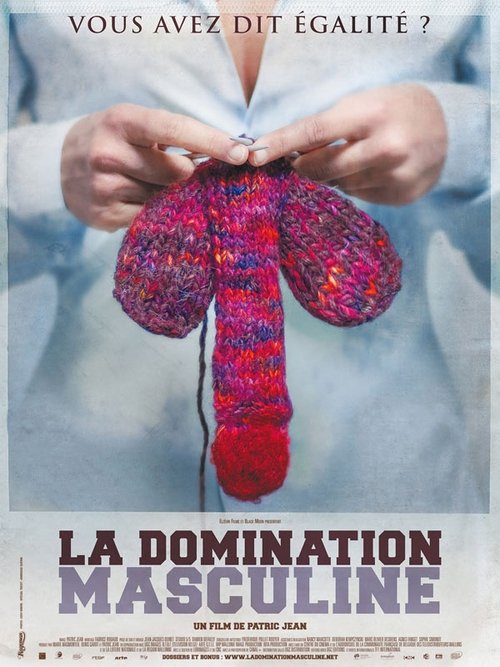
Representation Score
Fair
2009
Director
Patric Jean
Runtime
103 minutes
Average Rating
No ratings yetNew Showbiz Analysis
Patric Jean’s documentary offers a sociological critique of the gap between theoretical equality and the lived experience of systemic oppression. Its main strength lies in its structuralist approach to dismantling the myth of gender neutrality in post-industrial societies. By focusing on how women are locked into traditional roles, the film goes beyond simple inclusion to examine the mechanisms of power. However, the scope remains primarily focused on Western societal structures, lacking explicit evidence of multi-layered racial or LGBTQ+ representation.
Category Breakdown
The documentary examines gendered violence and systemic issues in Western societies but does not focus on non-binary or LGBTQ+ identities.
The film highlights the disproportionate victimization of women and restrictive gender roles. It challenges patriarchal structures by exploring how masculinity and femininity are socially constructed.
The narrative focuses on Western and post-industrial contexts without addressing the racial composition or multi-layered identities of the subjects.
The work critiques the supposed egalitarianism of Western institutions and their social norms, focusing on the deconstruction of these norms rather than celebrating Western stability.
There is no indication that neurodivergence or physical disabilities play a central role in the film's narrative.
Present on Screen
Limited or Absent
Official Synopsis
A multi-faceted look at how, in a supposedly egalitarian (Western and post-industrial) world, women are still locked into gender roles and, disproportionately, victims of violence and discrimination.
2012
2016
2014

2015
2015
2014
2015
2020
No reviews yet. Be the first to share your thoughts on this movie!
Use the rating form above to leave a star rating and optional review.